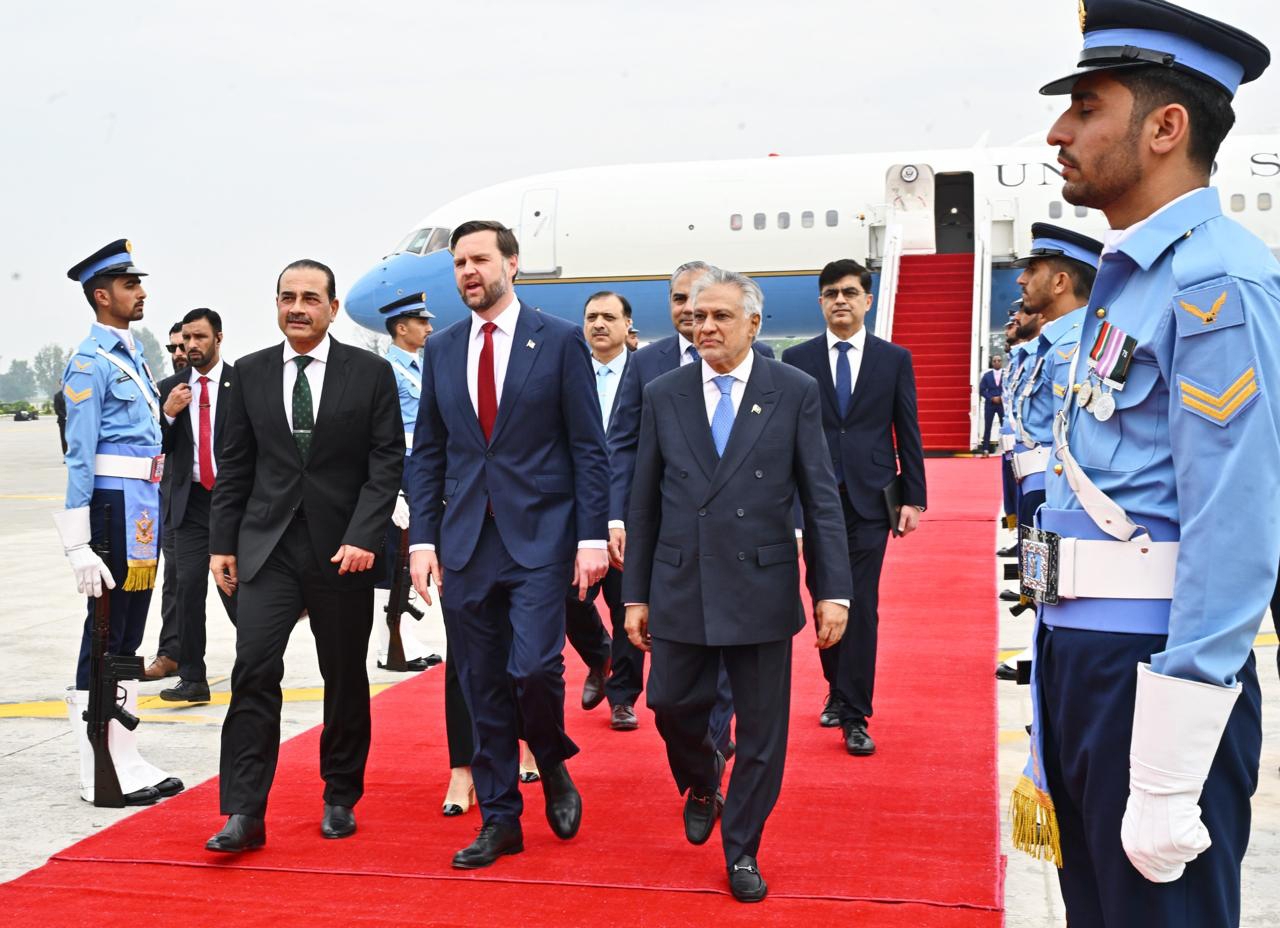
Negotiations between the USA and Iran in Islamabad lasted 21 hours and ended without an agreement. Now the parties have less than a week to decide: either organize a new round or allow the ceasefire from April 7 to simply expire.
Where They Got Stuck
The disagreements are concrete. The main rift revolves around the US demand to freeze uranium enrichment and abandon accumulated highly enriched uranium stockpiles; Iran, in turn, demanded the release of frozen assets in exchange for nuclear concessions. According to CFR, Iran refused to halt its nuclear program, transfer approximately 450 kilograms of enriched uranium, and open the Strait of Hormuz without conditions.
The US proposed a 20-year moratorium on uranium enrichment — this proposal became the centerpiece of the Islamabad negotiations, according to an American official and a source familiar with the situation.
Iranian Foreign Minister Abbas Araghchi wrote on X that the parties conducted negotiations "in good faith," but "encountered maximalism, shifting conditions, and blockade." An exhausted Vance, leaving Islamabad, called the American proposal "the best and final." Trump, commenting on Fox News, described the meeting as "really good" — except for one thing: "they want nuclear weapons. That won't happen."
"We're not at a dead end. The doors are not closed. Both sides are haggling. It's a bazaar."
A regional source for Axios familiar with the course of negotiations
Who's in the Game Now
Pakistan, Egypt, and Turkey intend to persuade the USA and Iran to hold another round before the ceasefire regime expires on April 21, Axios reported citing sources. On April 12, the foreign ministers of Turkey and Egypt held separate telephone conversations with their Pakistani counterpart, after which they discussed the situation with White House special envoy Steve Witkoff and Iranian Foreign Minister Abbas Araghchi.
According to CNN, Geneva and Islamabad are again being considered among potential locations for the second round. The Trump administration is internally discussing the details of the meeting, but a CNN source characterizes these discussions as "preliminary." In parallel, American officials allow for the possibility of extending the ceasefire — if negotiations progress quickly enough.
What Remained Behind the Scenes in Islamabad
During the negotiations, a sharp dispute arose over guarantees: according to Iranian sources for The Jerusalem Post, Araghchi asked the Americans: "How can we trust you if in Geneva you said you wouldn't attack while diplomacy was ongoing?" — alluding to the fact that the strike on Iran occurred two days after those negotiations. The American delegation, which included Vance, Witkoff, and Jared Kushner, focused on the nuclear issue and the Strait of Hormuz. The Iranian side, led by Parliament Speaker Galibaf and Araghchi, insisted on a broader framework for an agreement.
Iran's Ambassador to Pakistan Reza Amir-Moghadam, who participated in the negotiations, wrote on X that the Islamabad talks did not fail, but "laid the foundation for a diplomatic process."
However, a declaration about "foundation" is not a schedule. None of the three mediators publicly confirmed a specific date or location for the next round. The question remains open: if a new round does not take place by April 21 — are both sides ready to continue the ceasefire without a nuclear disarmament agreement, or does this mean a return to active hostilities?





