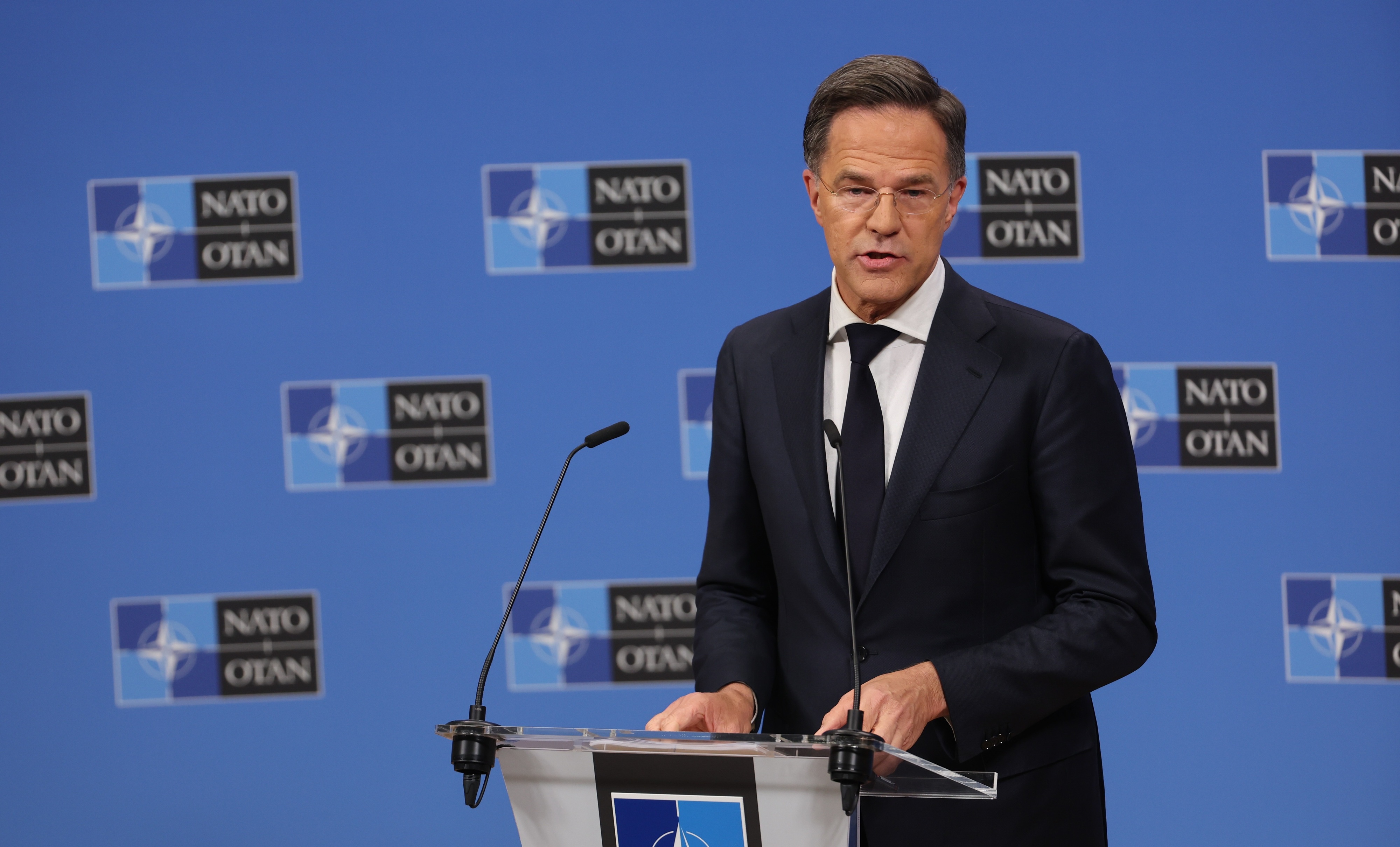
Two weeks before the NATO summit in Ankara, Secretary General Mark Rutte is testing a formula that diplomats describe as "good news for the USA": allies buy more American weapons — Washington remains in the Alliance. This is reported by Politico citing unnamed sources familiar with the matter.
What Rutte specifically proposes
Arms production became the central theme of the NATO foreign ministers' meeting in the Swedish city of Helsingborg on May 21–22. The logic is simple: if allies direct their defense budgets to purchasing American equipment — Patriot systems, ammunition, control systems — the USA receives an industrial and financial gain from bloc membership, making it harder for Trump to call NATO a "bad deal".
"The question is no longer whether we need to do more. The question is how quickly allies can turn commitments into capabilities".
Mark Rutte, press conference before the Helsingborg meeting, May 20
In practice, Rutte appeals to two things simultaneously: increased spending to 5% of GDP, which allies agreed to at the The Hague summit, and a reorientation of these expenditures toward joint American-European production. As noted by Euronews, allies are already purchasing American weapons through the PURL mechanism (Prioritised Ukraine Requirements List) — for supplies to Ukraine. Rutte proposes making this logic broader.
Allies' reaction
Sweden's Foreign Minister Maria Malmér Stenergård supported Rutte's approach: "We need to continue trading and producing weapons together, and the USA has some unique capabilities". According to one of the diplomats cited by Politico, the plan "is good news for the USA".
Secretary of State Marco Rubio, who also arrived in Helsingborg, emphasized the need for American companies to access defense contracts of allies — which essentially aligns with Rutte's logic, but from a different angle: Washington wants not only for allies to buy, but for American firms to be able to compete in all Alliance markets.
Where the scheme's weak point is
The problem is that Rutte's plan is not a treaty, but positioning. No document with a control mechanism or sanctions for non-compliance was signed at the meeting. Rutte speaks of a "credible path" to fulfilling commitments, but there are no specific metrics.
- 5% GDP commitments — declared in The Hague, deadline 2035, most allies are currently below 3%.
- PURL purchases — a real mechanism, but tied to Ukraine, not to NATO's overall architecture.
- American withdrawal — as confirmed by Euronews sources in NATO, the US plan to reduce its presence in Europe "changes the US contribution to the Alliance in case of crisis or conflict". Details were announced Friday, but the essence is known: Washington is reducing guarantees, not expanding them.
Meanwhile, in Helsingborg, Ukraine's Foreign Minister Andrii Sybiha participated in an informal session of the Ukraine-NATO Council. According to NATO's official website, topics included support for Ukraine, defense industry, and strengthening capabilities. No concrete decisions regarding new aid packages were announced after the meeting.
Rutte is building an argument calculated on Trump's transactional logic: NATO as a market for American defense industry products. This may work as rhetoric leading up to the Ankara summit in July. But if allies sign a declaration without commitments for specific contracts with American manufacturers — the White House will have every reason to call it another "nice words" with no money.





