The Kyiv International Institute of Sociology has published data on the level of trust Ukrainians have in public politicians. The results record a transformation that began on February 24, 2022 and appears to have taken hold for the long term: the pre-war political architecture no longer determines who society trusts.
Who's at the top — and why it's no accident
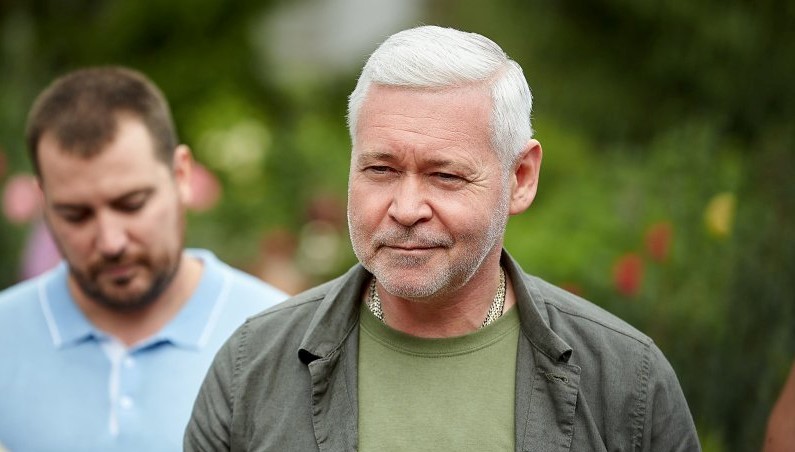
The trust leaders are formed by Kharkiv Mayor Ihor Terekhov, Defense Minister Rustem Umyerov, and President Volodymyr Zelensky. This configuration is symptomatic: all three are figures associated with specific responsibility during the active phase of the war. Terekhov manages a city that has been regularly targeted since 2022; Umyerov took over the Ministry of Defense following high-profile procurement scandals and is positioned as a technocrat-reformer; Zelensky remains a symbol of the decision not to leave Kyiv in the first days of the invasion.
An important nuance that KIIS records in its methodology: trust is measured not in absolute numbers of sympathy, but as a balance between those who trust and those who do not. This is a stricter indicator than simple "approval."
The Liashko phenomenon — and what lies behind it
Oleg Liashko stands out separately in the study. His trust indicators are noticeably higher than one might expect from a politician who in the pre-war media space was associated primarily with extravagance. One explanation is that Liashko, as minister of social policy, communicates in a format oriented toward older audiences from the regions, less covered by digital media. Another is the effect of a low baseline: he has many critics, but part of the audience that previously ignored him has begun to perceive him more neutrally against the background of work on payments and social issues during the war.
Boyko and Tymoshenko — relics of the pre-war world
Yuri Boyko and Yulia Tymoshenko are recorded in the lower part of the rating. Both were recognizable figures before 2022, but their political capital was formed in the logic of peacetime — electoral cycles, coalition bargaining, media scandals. This logic has proved irrelevant since February 2022. Trust in conditions of war, as the study shows, correlates not with experience in "big politics," but with visible concrete action or symbolic presence where it is difficult.
Boyko carries an additional burden — his previous connections with pro-Russian structures, which in the context of a full-scale invasion have become an indelible marker for most of the audience.
What this means systemically
The KIIS data record not just ratings — they describe a new model of legitimacy. Ukrainians during the war delegate trust to those who have a direct function and do not hide from it. This is not a guarantee of the quality of management decisions, but it is a selection criterion that is fundamentally different from the pre-war period.
An open question: if this model persists after the active phase of the war is over — will the pre-war "heavyweights" find a way to regain relevance, or will Ukrainian politics ultimately reboot its main players?





