Quiet centralization of decisions in the Kremlin
The Guardian, citing assessments by the CIA, reports that Vladimir Putin’s decision to launch a full-scale invasion was made as early as the first half of 2020. At the same time, only a few non-military officials knew the details of the plans — other key figures in the regime were kept in the dark.
Contacts and information channels
According to the outlet, Andriy Yermak was one of the few Ukrainian officials who regularly made contact with the Russian administration. He, in particular, communicated with Putin’s deputy chief of staff, Dmitry Kozak. The Guardian notes that Kozak, like some others, viewed U.S. warnings as an exaggeration — which likely affected how Moscow itself processed information about the preparations.
"Someone high-ranking from the Kremlin called me and said: 'There are a lot of military people around Putin, the atmosphere is tense, something is happening, but we don’t know what it is.'"
— One interlocutor familiar with the situation
Who was truly kept in the dark
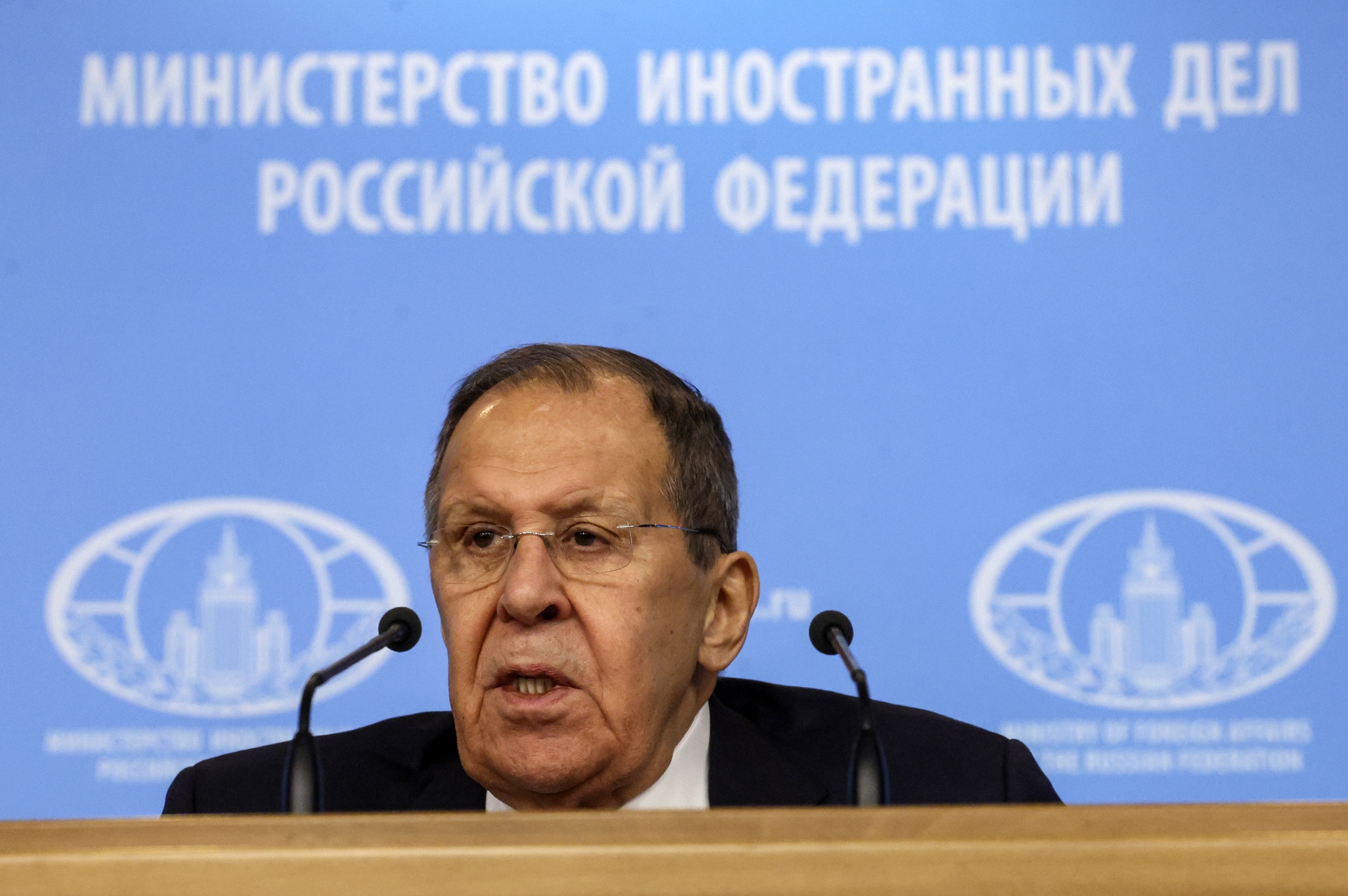
According to two interlocutors familiar with the matter (quoted by The Guardian), even Sergey Lavrov and Putin’s long-time press secretary Dmitry Peskov were kept in the dark. This points to a high degree of secrecy and centralization of the decision-making process within a narrow circle.
Consequences and significance for Ukraine
Several conclusions follow from this information: first, such a level of secrecy makes forecasting more difficult and places an additional premium on high-quality intelligence and diplomacy. Second, the Kremlin’s mistaken belief that only 10% of Ukrainians would resist is an indicator of a systemic underestimation of Ukrainian society and military resilience. Third, factors of informational isolation among the Kremlin elite may explain inconsistent reactions and the risk of unexpected escalations.
What’s next
This publication confirms that for Ukraine, not only operational intelligence but also the maintenance of diplomatic channels and transparent explanations to partners are important. Western assessments (such as the CIA’s) helped discard false scenarios — now the key task is for these assessments to be translated into concrete political and defense steps to support Ukraine’s security.
Experts note that understanding the internal logic of Kremlin decisions is important not to justify them, but to anticipate and neutralize future threats. The questions remain simple: will the international community learn from these conclusions, and will this lead to strengthened security guarantees for Ukraine?





