Before closed negotiations on the sidelines of the UN General Assembly in New York, Volodymyr Zelenskyy and Donald Trump publicly agreed on one thing: the war should be ended before the cold weather arrives. It was important for the Ukrainian president to hear this directly from his American counterpart – since Trump became a mediator in negotiations, his words determine how seriously the international community takes any given deadline.
"I hope we will end this war, and President Trump will help us… And I believe we need to do this as quickly as possible, before winter arrives. Preferably before winter," said Zelenskyy, opening his remarks to the press.
It's a big deal to do it before winter.
That was Trump's response, confirming that the timeframe has been agreed upon at least at the level of rhetoric. But behind this synchronization of words lies different logic for each side – and this is precisely what will determine whether "before winter" becomes a real plan or another slogan that dissolves in prolonged consultations.
Why Right Now
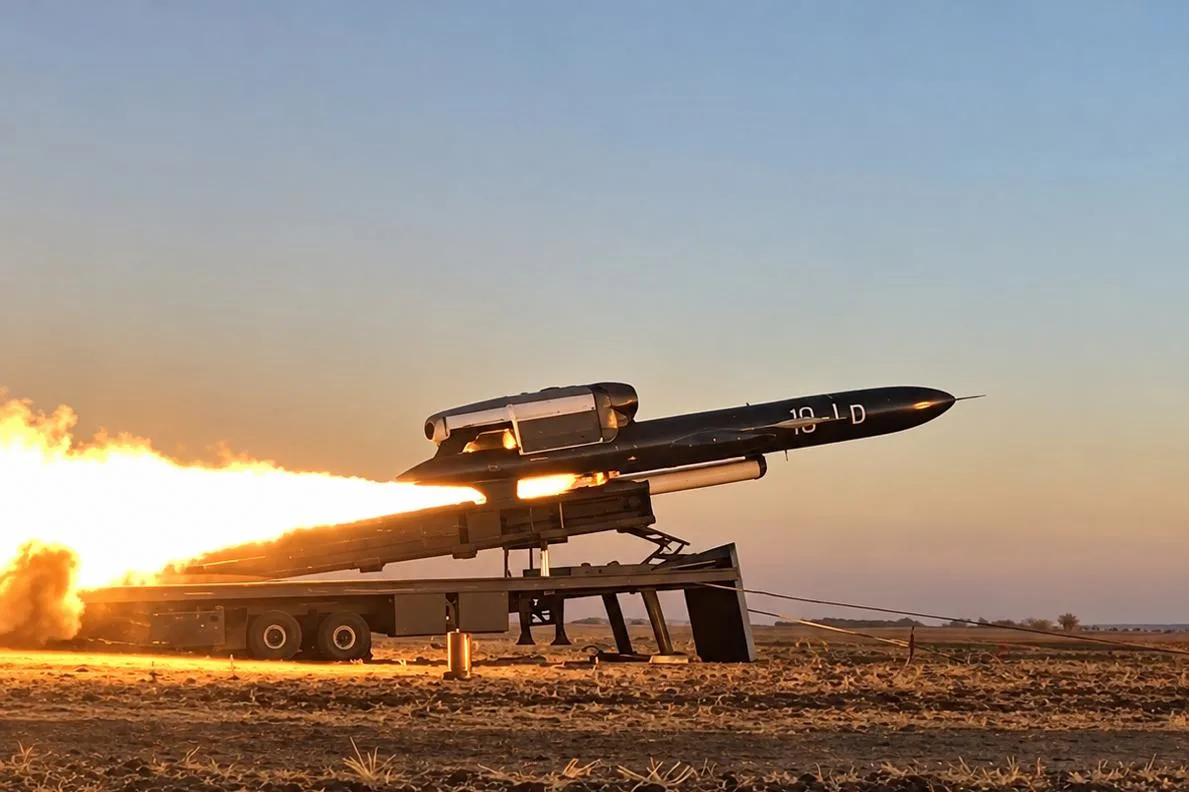
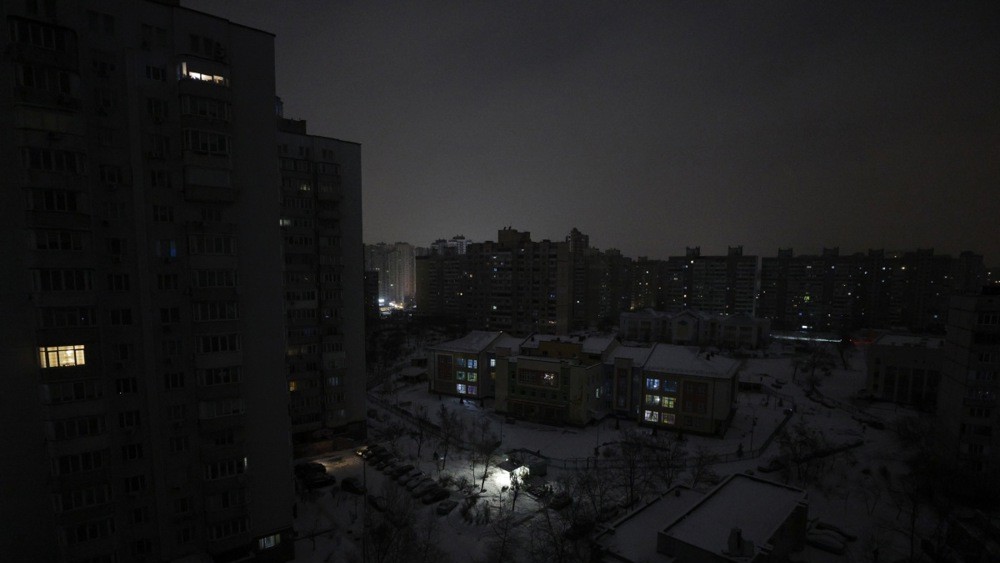
The deadline did not appear in a vacuum. Russia continues massive strikes on Ukrainian energy infrastructure, while Ukrainian long-range weapons strike Russian oil refineries and export facilities in return. This mutual escalation in the energy sector has become a separate front – and it is this, rather than the front line as such, that concerns Washington most as winter approaches.
Before the meeting, Trump wrote that Russia had "unfortunately" lost control of its diesel industry due to the war, noting that a significant portion of Russian refineries have been at least temporarily disabled by strikes. At the same time, he claimed that a global fuel deficit is supposedly caused by Russia's war against Ukraine, and urged Zelenskyy to "stop destroying Russia's diesel fuel reserves." These statements came against the backdrop of rising oil prices due to the war with Iran and growing fuel prices in the United States itself – ahead of midterm congressional elections.
Who Benefits
For Trump, the winter deadline solves two problems at once: it gives him a rhetorical victory as a "peacemaker" and reduces the risk that rising fuel prices will hurt his party in the elections. It is notable that the call to stop strikes on Russian refineries came precisely when discussing global diesel prices, not just the course of military operations.
For Zelenskyy, the deadline is a way to keep Washington's attention on specific timeframes rather than abstract "negotiations sometime." In response to requests regarding diesel, the Ukrainian president stated that Ukraine is ready to de-escalate if Russia stops attacks on its energy infrastructure, critical infrastructure, and food exports – meaning Zelenskyy proposes to view the exchange of strikes on refineries as a subject for negotiation rather than as an independent goal.
- During his remarks to journalists, Trump also outlined two scenarios: one he called "very bad," another capable of leading the country to greatness, without elaborating on what he meant.
- Earlier, speaking at the General Assembly, the US president stated that if necessary, he is ready to apply "hellish sanctions" against Russia – this tool remains in reserve as pressure on Moscow while the diplomatic clock ticks toward winter.
Opponents' Reaction
The Kremlin's position remains the least defined link in this structure. Trump himself, when asked about Vladimir Putin's readiness to end the war, told journalists that he does not know this for certain, but supposedly believes that "they both want to end the war" – a formulation that resembles diplomatic courtesy more than a confirmed agreement. No synchronized statements from Moscow regarding the winter deadline have been made so far.
This asymmetry is what will determine the fate of the agreement: Kyiv and Washington have publicly agreed on a date, while the third party to the conflict – the one on whom the actual cessation of strikes depends – makes no commitments to any timeframe. If, before the first hard frosts, Russia does not reduce the intensity of attacks on energy infrastructure and the exchange of strikes on refineries and thermal power plants continues, the "big deal before winter" will remain a statement for the press rather than a plan of action. The question is whether Washington and Kyiv are ready to convert the agreed deadline into concrete pressure on Moscow – primarily through those very "hellish sanctions" that Trump is so far only talking about.