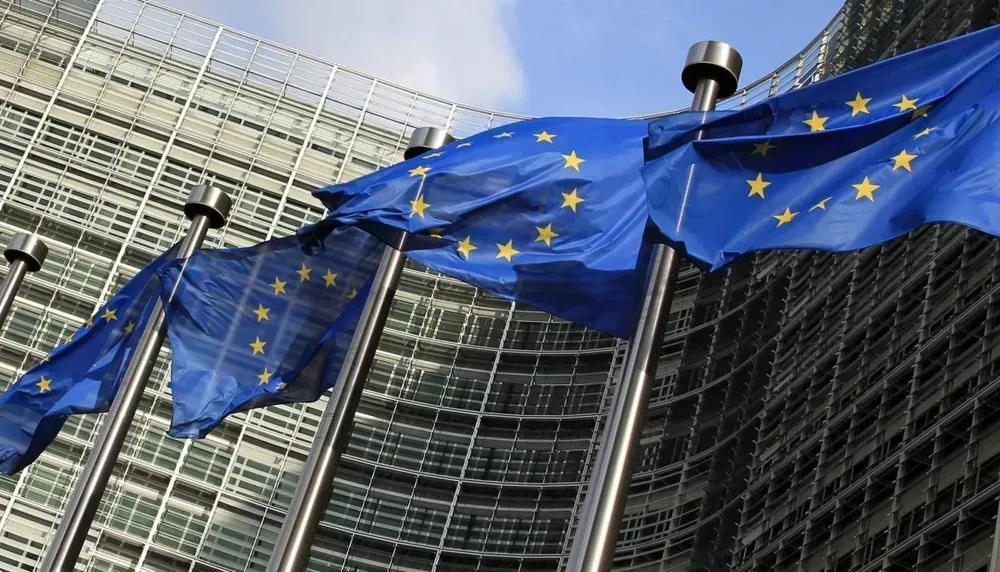
The European Commission is working on a phased integration plan for candidate countries, including Ukraine. According to Politico, the document provides for access to EU funds and the single market — but does not promise either an accession date or guaranteed membership.
The logic is simple: the more reforms, the more benefits. Access to financing, trade regimes, and individual EU programs will be granted gradually, depending on each country's progress. This is not new rhetoric of support — it is an attempt to build a structure with measurable steps.
The problem is that the very word "benefits" is carefully separated from the word "membership." Brussels is offering integration without commitments at the final stage. For Ukraine, which is waging a war and needs clear security and economic guidelines, this is a fundamental difference: gaining access to the market is not the same as gaining Article 5 protection or voting rights in EU institutions.
Critics within the EU itself are already pointing out: such a model risks turning into an "eternal anteroom" — when a country meets conditions, but the finish line remains blurred. That is precisely how the situation with Turkey has looked for years, which has formally been a candidate since 1999.
Plan advocates insist on the opposite: concrete economic incentives are more effective than abstract promises, and reforms under the pressure of conditions are more real than reforms under the pressure of declarations.
For Ukraine, the moment is difficult. The country is already integrated into a number of EU programs, trade barriers have been lowered, reforms are ongoing despite the war. The question is not whether Ukraine is ready to reform — but whether the EU is ready to offer something more than an expanded association with a new name.
If the European Commission presents a plan without a mechanism that turns "reform progress" into a membership commitment — how does this model differ from the association agreement that is already in effect?







