The EU-Ukraine Intergovernmental Conference on July 14 officially opened the sixth negotiating cluster — "External Relations". It covers common foreign and security policy, defense cooperation, countering hybrid threats, international trade, humanitarian aid, and development cooperation.
This is already the third conference of this format in a month: all 27 member states approved the first cluster on June 15. The sixth cluster is considered one of the strategic ones in the accession process, as it determines the country's integration into the EU's common foreign and security policy.
What's Inside the Cluster
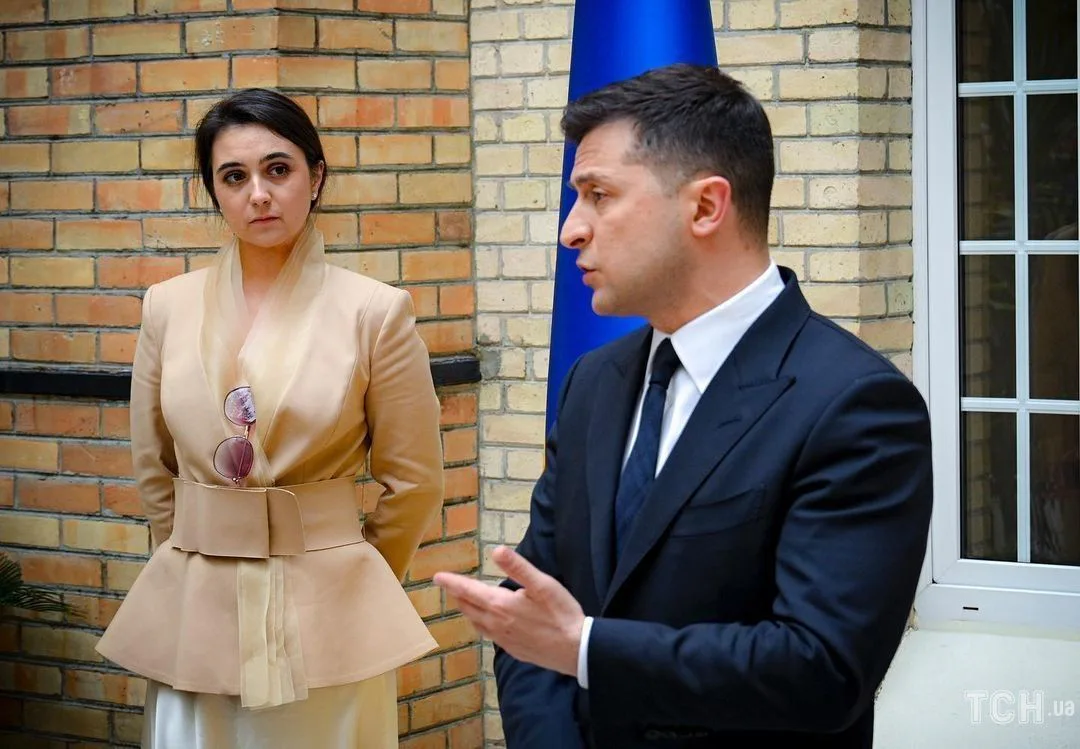
According to Vice Prime Minister for European Integration Taras Kachka, the cluster covers the Common Security and Defense Policy, trade, humanitarian aid and development cooperation, as well as Ukraine's alignment with the EU's common foreign and security policy. In practice, this means synchronizing positions on sanctions policy, arms export controls, and bilateral agreements with third countries.
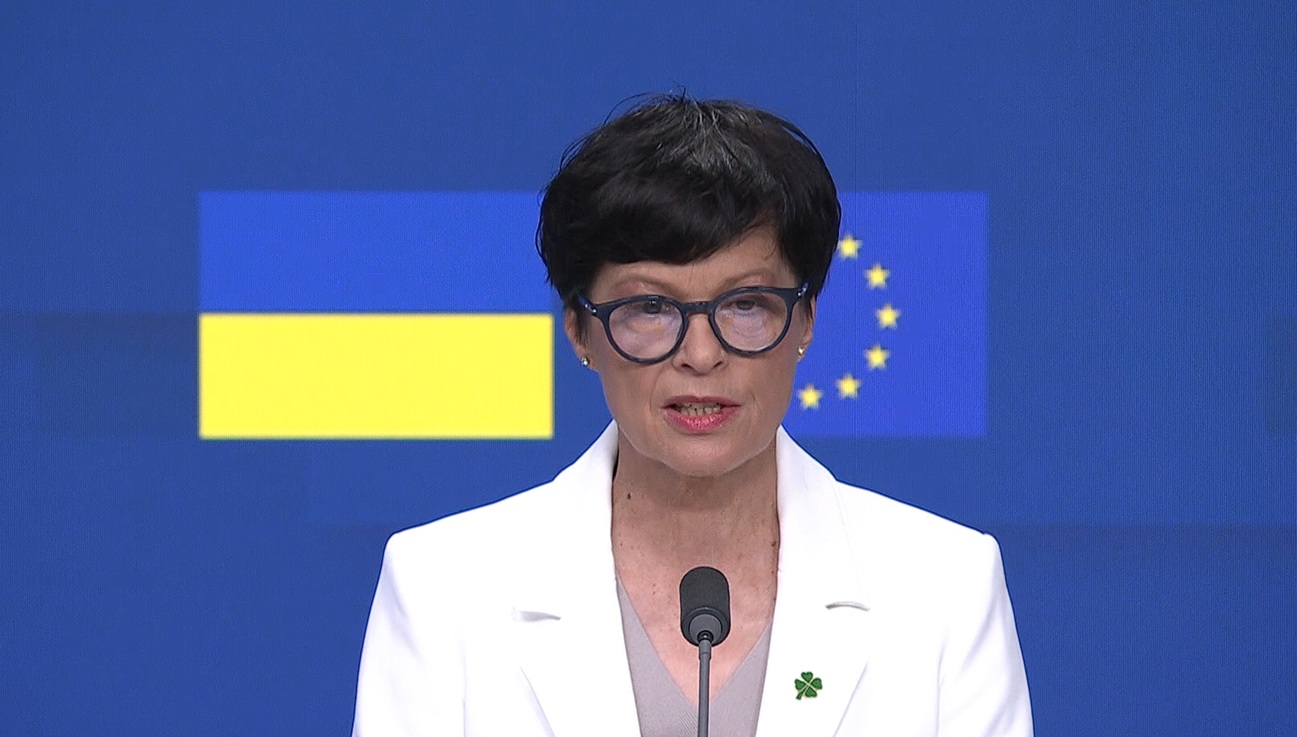
European Commission Vice President for Enlargement Marta Kos stressed at a press conference in Brussels that the future security architecture of the continent is unthinkable without Ukraine. According to Foreign Minister Andrii Sybiha, the level of Ukraine's alignment with EU foreign policy statements and decisions was 95% by the end of 2024 and 100% in the first months of 2025.
"Cluster 6 is particularly important in the current global security environment. We have been looking forward to this official decision"
Taras Kachka, Vice Prime Minister for European Integration
Opening a Cluster ≠ Beginning Substantive Negotiations
Opening a cluster is a formal start, not a final agreement. After formally opening each cluster, the EU defines so-called opening benchmarks — specific conditions, usually institutional reforms. Only after their fulfillment is the chapter considered open for substantive negotiations. For the sixth cluster, the European Commission has not yet publicly disclosed a list of such conditions.
The European Commission confirmed that Ukraine has met the conditions for opening clusters 1, 6, and 2 and expects Kyiv to fulfill the requirements for the remaining three.
Hungary: Not a Blockade, But a "Pause"
The sixth cluster was opened without controversy — but four others (2, 3, 4, 5) remain closed. According to a source close to the negotiations, there is currently a consensus of 26 member states against Hungary's position on opening all clusters, but Budapest insists that it has not blocked but only "paused" four clusters.
Hungary's new Prime Minister Péter Magyar generally agreed to open the first cluster, but insisted on removing the phrase about Ukraine's accession "as soon as possible" from the text. After that, he stated that simultaneous opening of all six clusters would be "premature" and could send a wrong signal to Western Balkan countries.
- Opened: cluster 1 (fundamentals) — June 15; cluster 6 (external relations) — July 14
- Blocked: clusters 2, 3, 4, 5 — Hungary did not sign a joint letter on behalf of 27 member states
- Next step: EU Council in General Affairs — expected in July
If Hungary lifts the "pause" at the EU Council in July, the negotiation pace will prove unprecedented — four clusters in one month. If not, the question of the difference between a "pause" and a blockade will become purely rhetorical.