President Zelensky signed a decree granting the Separate Center for Special Operations "North" of the Special Operations Forces of the Armed Forces of Ukraine the honorary name "in the name of the Heroes of the UPA." For millions of Ukrainian military personnel, this is a symbol of resistance to the Moscow empire. For the Polish side — the name of an organization that Polish historians associate with the deaths of up to 100,000 Polish civilians in Volhynia and Galicia in 1943–1945.
What happened after the decree was signed
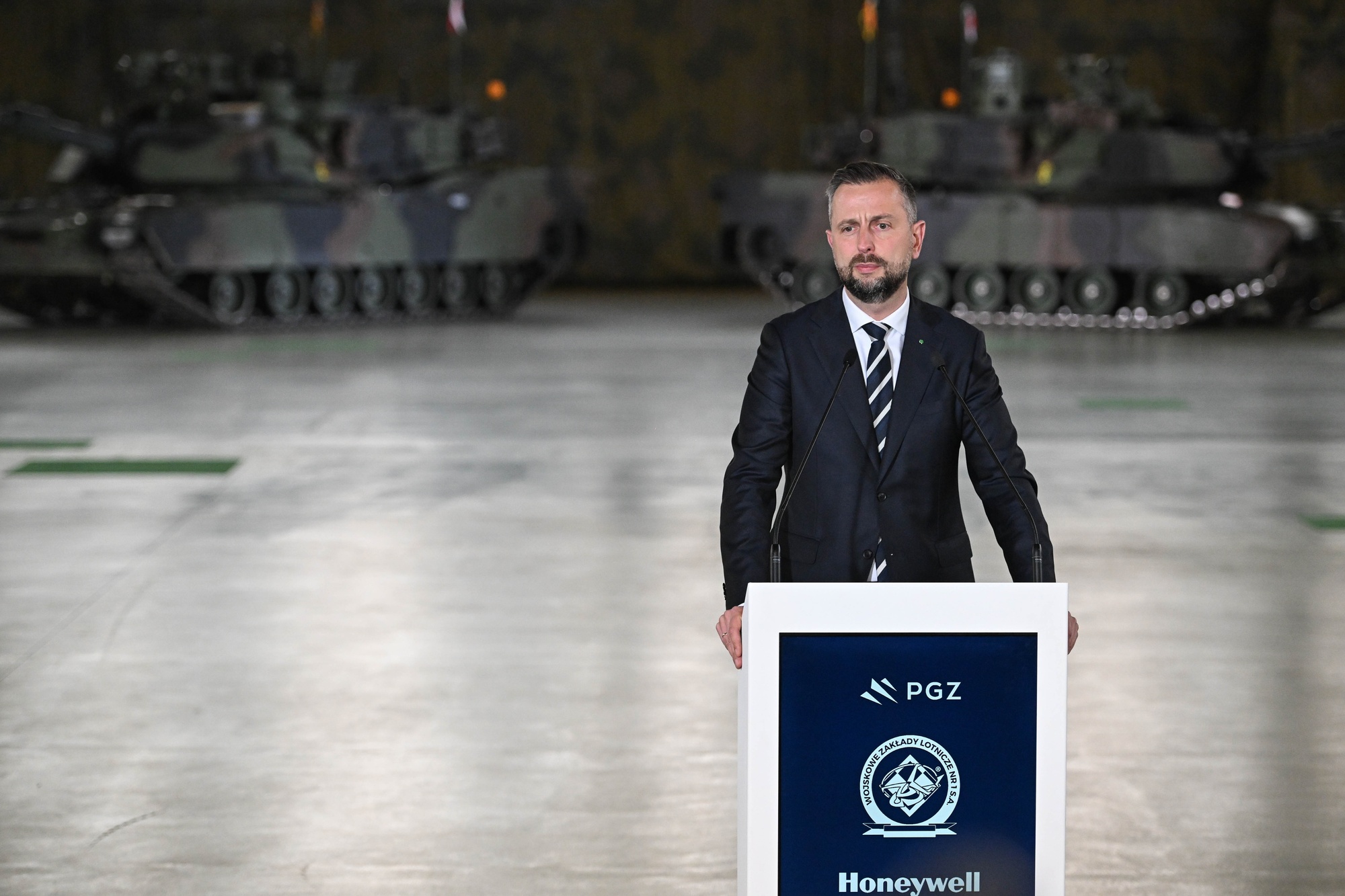
Warsaw's reaction proved systematic rather than merely rhetorical. On May 28, Polish Deputy Foreign Minister Marcin Bosacki summoned Ukrainian Ambassador Vasyl Bodnar and delivered an official protest. Defense Minister Władysław Kosiniak-Kamysz contacted his Ukrainian counterpart Mykhailo Fedorov and, by his own account, "will do everything to change this decision."
"An unfriendly act that causes pain to Polish hearts — this is the glorification of the UPA, especially through assigning its name to military units precisely when we are helping the Ukrainian army fight."
Władysław Kosiniak-Kamysz, Polish Defense Minister
Polish President Karol Nawrocki announced that he would appeal to the relevant state authority regarding the deprivation of Zelensky of the Order of the White Eagle — Poland's highest state decoration, which was awarded to him by Andrzej Duda in 2023. Nobel Peace laureate Lech Wałęsa publicly stated that he is ceasing to wear a pin with the Ukrainian flag.
Kyiv's position: a symbol of anti-imperial resistance, not an anti-Polish gesture
Ukraine's Foreign Ministry expressed regret over Warsaw's sharp reaction, but did not change its position. Ministry spokesman Heorhii Tykhyi explained: for the unit's fighters themselves, the UPA symbolizes exclusively resistance to Moscow's imperial policy — and is in no way directed against Poles. The ministry recalled the common pages of Polish-Ukrainian struggle against Moscow — from the Battle of Orsha to the "Miracle on the Vistula."
"We cannot allow disputes about the past to undermine our common resistance to the enemy now, when Ukraine, with Poland's support, is holding back Russian aggression."
Heorhii Tykhyi, spokesman for Ukraine's Foreign Ministry
At the same time, Tykhyi announced concrete steps to meet Warsaw halfway: the resumption of searches and exhumation of victims of the Volhynian tragedy, as well as the restart of the Polish-Ukrainian Congress of Historians.
Structural trap for both sides
Poland is one of Ukraine's most powerful allies since February 2022 — a transit hub for Western weapons, a host country for millions of refugees, Kyiv's voice in the EU and NATO. Kosiniak-Kamysz publicly acknowledged this paradox: "Ukraine is fighting for Poland's security and that of all Europe" — and simultaneously called the decision unacceptable.
- Warsaw cannot afford to break with Kyiv — it would weaken its own security position.
- Kyiv cannot rewrite a decision that the unit's fighters themselves initiated for themselves — it would signal capitulation under pressure from an ally.
- Both sides simultaneously speak of "dialogue" and escalate symbolic sanctions.
The real conflict here is not between the UPA and the AK — but between two logics of memory: the Ukrainian one, where identity is built through anti-colonial resistance to Moscow, and the Polish one, where the same organization is a marker of mass killing of civilians. Neither of these logics is propaganda — both are based on documented facts.
If Kyiv refuses to change the name of the unit, and Warsaw truly initiates the deprivation of Zelensky of the order — will Poland maintain the political will to increase military aid against the backdrop of its own parliamentary discussions about "gratitude" to Ukraine?





