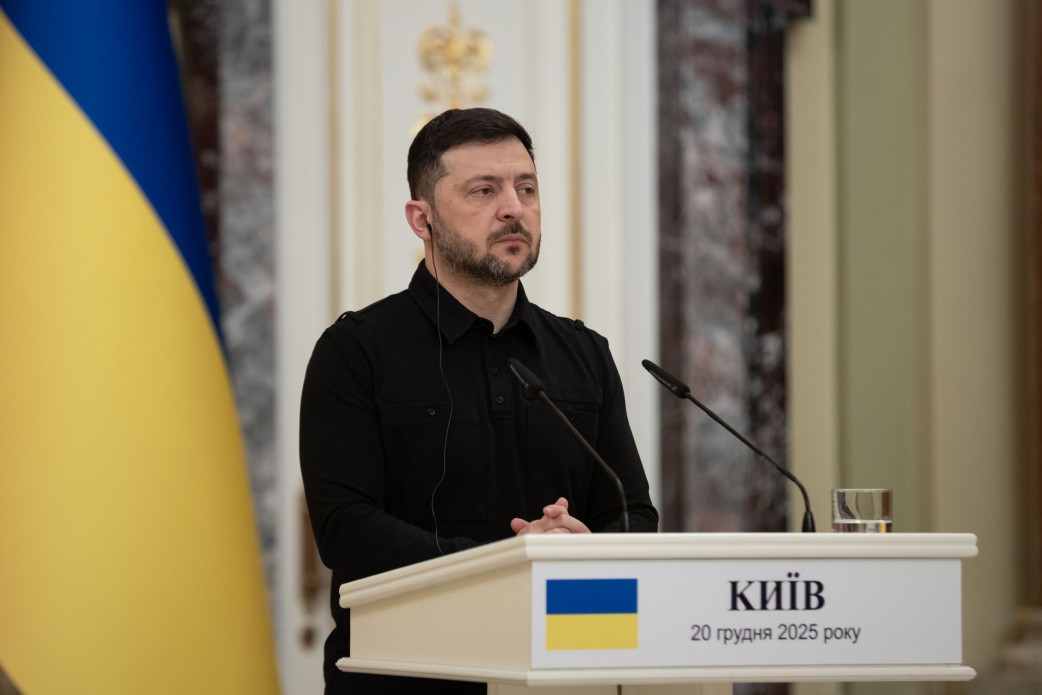
Kyiv’s position
In an interview with the Belarusian independent outlet "Dzerkalo", President Volodymyr Zelensky urged NATO to consider the missile system "Oreshnik" on Belarusian territory as a legitimate target. This statement comes against the backdrop of Alexander Lukashenko’s claims about the alleged start of the system’s combat duty from 17 December 2025 — information that still requires independent verification.
“And ‘Oreshnik’, in my view, NATO should look at as a legitimate target. Well, we will observe and assess this threat.”
— Volodymyr Zelensky, President of Ukraine
Why this is an escalation
The deployment of such a system in Belarus changes the range and reaction time of Russian strike systems against Ukraine and European infrastructure. Analysts at Western defense centers note that moving precision missile platforms closer to Allies’ borders reduces warning time and complicates defensive logistics.
According to Reuters, the system could be deployed at a former airbase in eastern Belarus; at the same time, representatives of the association of former Belarusian security officers (BelPolu) say there is no confirmation yet of an actual commissioning of a launcher. This uncertainty itself is also an element of pressure and information escalation.
Concrete consequences
For Ukraine: increased vulnerability of rear areas and air‑defense platforms, and a need for additional resources for intelligence and protection of critical infrastructure.
For NATO: the question of target legitimacy is not rhetoric but a practical need to define rules of response and the protection of Allies’ airspace or infrastructure.
For Belarus: further erosion of its formal neutrality and a deepening of cooperation with Russia, which could have political and economic consequences, including prompting a review of sanctions policy toward the system’s manufacturers — a point Zelensky also highlighted while criticizing the lack of restrictions on missile producers.
What to expect from partners next
Kyiv is betting on a rational response from partners: designating "Oreshnik" as a legitimate target under specific conditions should be accompanied by actions — increased intelligence, coordination of air defenses and, if necessary, sanctions measures against suppliers.
At the same time, it is important to establish the facts: international organizations and independent intelligence sources must confirm the deployment and combat duty so that Allies’ decisions are legally and politically justified.
Conclusion
This is not just another statement in the information field — it is a potential change in the region’s security matrix. The ball is now in the partners’ court: will they turn the identification of the threat into coordinated practical steps that reduce risks for Ukraine and Europe?





