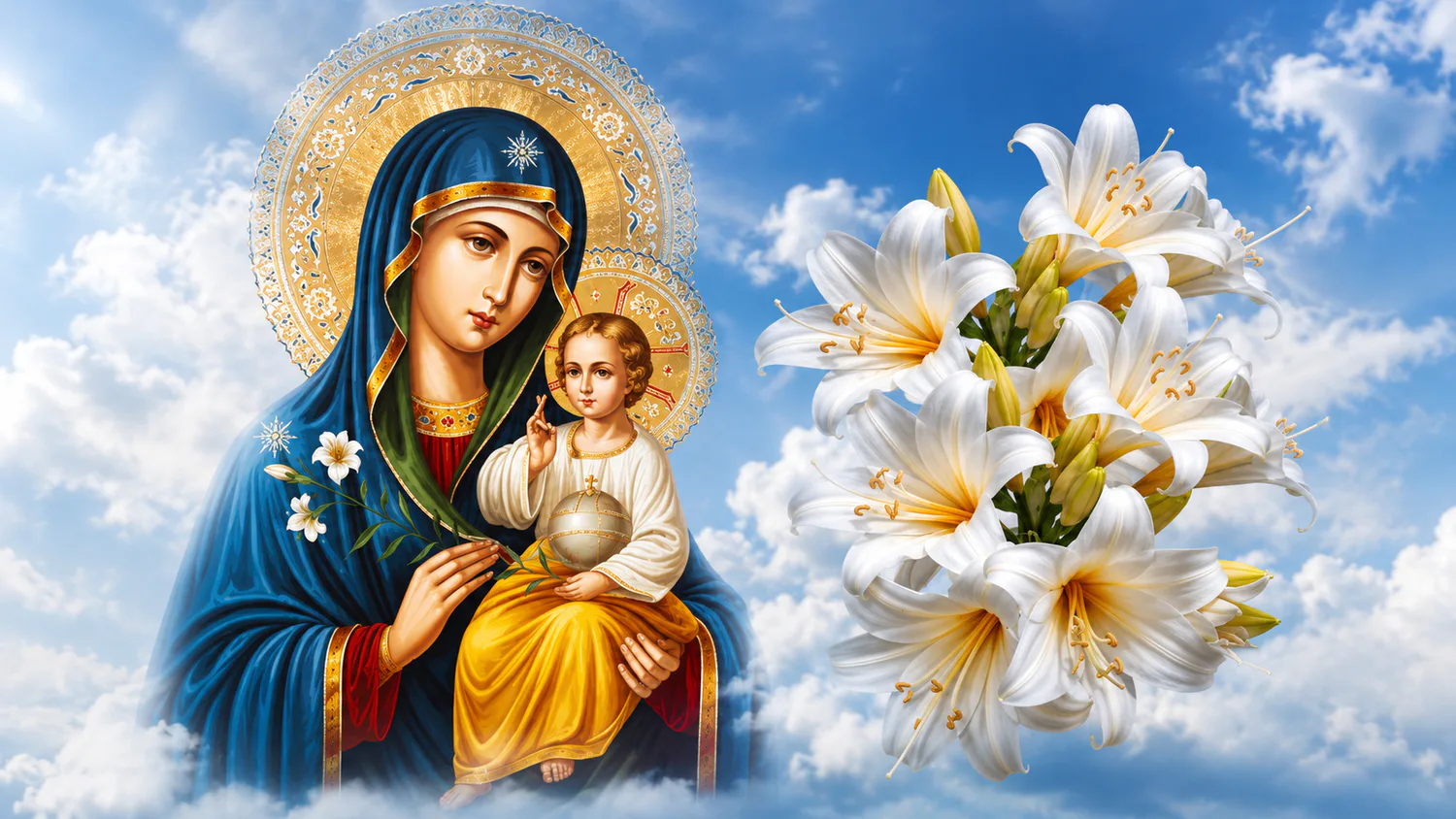
On August 15, 2026, millions of Ukrainians will go to church to celebrate the Assumption of the Most Holy Theotokos. And two weeks later, on August 28, other Ukrainians will go there—with the same holiday, the same prayers, but according to a different calendar. This is neither a mistake nor confusion—it is the consequence of a decision that continues to shape the country's religious landscape.
A 13-Day Split
In September 2023, the Ukrainian Orthodox Church and the Ukrainian Greek Catholic Church switched to the new calendar, shifting most fixed holidays by 13 days earlier. For the state, this looked like a technical detail. For specific families and parishes—it was a question of whom to pray with together.
Some parishes, especially those with older congregants, kept the old style. Formally, it is the same rite, the same Church—but already a different rhythm of the liturgical year. In 2026, this rift is illustrated precisely by the Assumption: some celebrate the closing of summer and the beginning of the Lenten season on August 15, others—exactly two weeks later.
The question is not when it is "correct" to celebrate, but how much time it will take for the two calendars to merge again into one experience for the entire community.
A Holiday That Governed the Agricultural Year
Before becoming a date in the church calendar, the Assumption was a practical point of reference. The First Assumption marked the end of the harvest, the beginning of pickling for winter, and the start of the matchmaking season—all of this was tied to a specific day, not to an abstract "end of summer."
That is why the shift in date by 13 days has more than just symbolic significance. The agricultural calendar, which for centuries had been synchronized with the church calendar—when to pickle cabbage, when to send matchmakers, when to expect "Indian summer"—now exists in two versions simultaneously, depending on which style a particular family or parish follows.
What This Means for 2026
Next summer, the two-week difference between August 15 and August 28 will become another marker of how deeply the 2023 changes have taken root in daily life. If old-style parishes gradually transition to the new style, the gap will narrow. If not—Ukraine will have two parallel religious calendars under one and the same roof for a long time to come.
The question worth asking: will the calendar reform become a settled fact within ten years, or will it remain a constant source of small but tangible differences within Ukrainian Orthodoxy and Greek Catholicism?







