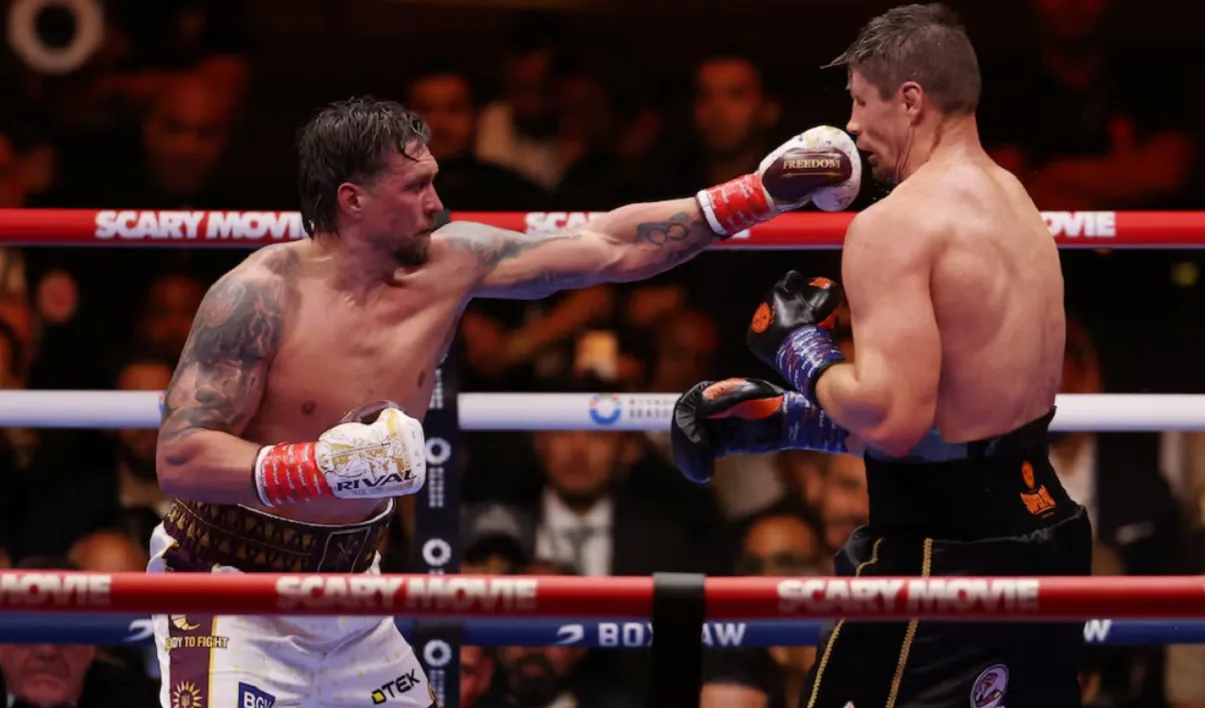
Alexander Usyk's fight with Verhoeven ended prematurely—the referee stopped the bout literally moments before the final bell of the round. The decision sparked controversy: many spectators and commentators considered the intervention premature. Mauricio Sulaiman, President of the World Boxing Council, decided to publicly defend the referee.
"A referee is not a timekeeper. He is a protector of boxers' health," Sulaiman stated. According to him, the arbiter's duty in the ring is to stop the fight at the moment when an athlete can no longer defend themselves—regardless of how many seconds remain until the bell.
The WBC's logic here is consistent: in boxing, time and safety are not equal priorities. If a referee sees that a boxer is in a dangerous position, a delay of a few seconds for the sake of a "clean" round finish could cost the athlete their health. This is the principle Sulaiman is defending.
However, the actual conflict is more complex. Critics point not to the fact of the stoppage itself, but to its timing: whether Verhoeven's condition at that particular moment truly met the danger criterion—or whether the referee acted with excessive caution. This is a matter of subjective judgment, and no statement from a federation president makes it objective.
Sulaiman's defense is understandable institutionally—the WBC is protecting its referee. But it does not answer the main question: by what criteria does a referee determine the boundary between "boxer in danger" and "boxer losing the round"? If these criteria are clear and documented, they should be shown publicly. If they remain at the discretion of a particular referee in a particular second, then confidence in decisions will depend solely on the arbiter's reputation.
The issue is not whether the referee had the right to stop the fight—he did. The question is whether this case will prompt the WBC to formulate more transparent intervention standards that can be verified after the fight, rather than merely justified.