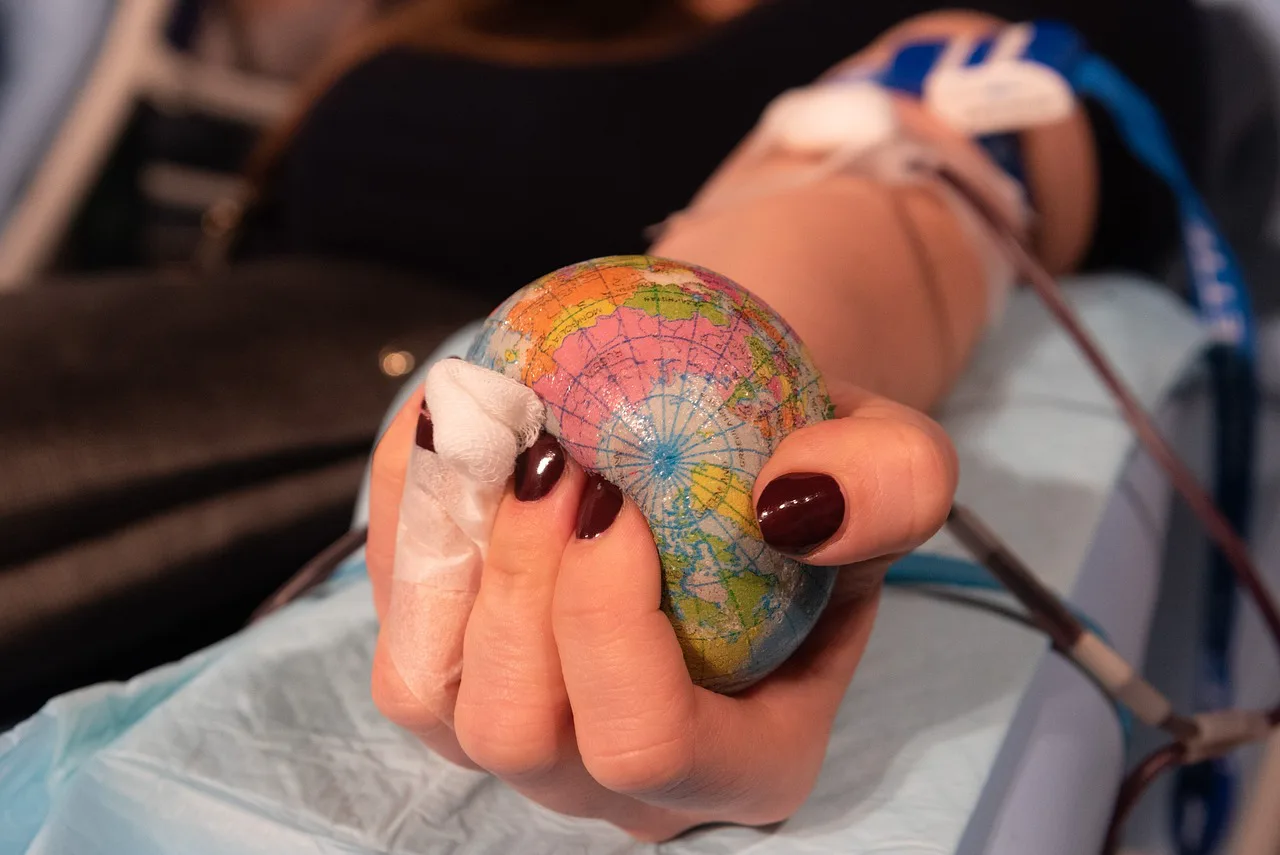
Each donation — 450 ml of blood — theoretically saves up to three people: blood is divided into red blood cells, plasma, and platelets. In practice, the system operates on a deficit: Ukraine has approximately 300,000 active donors, while the WHO recommends at least 1% of the population — over 350,000 people even accounting for wartime demographics.
Where it's worst and why
Inequality is a structural problem. In rural areas, there are only 8 donations per 1,000 people. Summer is a traditional slump: in July–August, critical deficits are recorded across the country. In large cities like Kryvyi Rih, donors face a different problem — a single blood center for the entire city.
One detail that the Ministry of Health doesn't highlight in headlines: 51% of donors do not undergo full screening before donation. This means part of the blood is rejected after collection.
2025: benefits abolished, motivation in question
Since the beginning of 2025, Ukraine has abolished several material incentives for donors: additional days off, stipend and pension supplements for honorary donors. The official explanation is a transition to a voluntary unpaid model as a condition for eurointegration. Meanwhile, in 2024, hospitals spent over 14 billion hryvnias on blood components — blood as a resource costs the system dearly, even if the donor receives nothing.
Who can donate and how to prepare
Anyone from Ukraine aged 18 and over with a weight of at least 50 kg without absolute contraindications can become a donor. Only a passport is required as documentation. Before visiting a blood center:
- 3 days before — remove fatty, fried, smoked foods and alcohol from your diet;
- 4–5 hours before — don't drink coffee;
- 2 hours before — don't smoke;
- the day before — avoid stress and heavy physical exertion, get good sleep.
Among temporary restrictions are flu and ARVI (2 weeks after recovery), tattoos or piercings (6 months), pregnancy and childbirth (6 months after). Hepatitis B and C, organ removal (except appendix and gallbladder) — absolute prohibition.
"An improperly composed diet not only affects blood quality but under certain conditions can cost the recipient their life"
Ministry of Health of Ukraine
Where to donate
The most convenient way to find the nearest blood center or mobile donation point is the DonorUA platform, which also provides a complete current list of contraindications and tips for preparation.
The abolition of benefits has changed the rules of the game: if previously some people donated blood for a day off or supplement, now the system relies solely on conscious motivation. Whether this will be enough to close the gap between 300,000 actual donors and the WHO standard will become clear by the end of 2025, when the Ministry of Health releases the first statistics following the reform.







