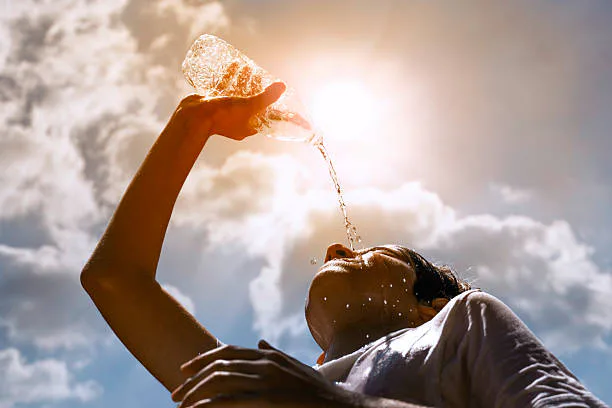
Anomalous heat tests the body even of people who have no chronic diseases. High temperatures force the heart to work more intensively, and dehydration and overheating can increase the risk of dangerous conditions. UNN learned from a doctor and public health expert Otto Stoyka about how heat affects the cardiovascular system and what can help reduce risks.
The body works as if a person is running
According to the doctor, heat creates additional strain on the heart even in a healthy person — primarily due to intensified thermoregulation.
There is definitely an impact, that is, the strain on the heart increases. First and foremost, the heart rate increases, because the body expends more effort on thermoregulation. Breathing becomes more frequent, and the body itself works as if the person is performing physical exertion, although in reality they may simply be out in the heat. The more trained and fit a person is, the easier it is for them to tolerate high temperatures.
Who is at risk
People of advanced age and those who have cardiovascular diseases should be especially careful during heat. However, certain risks exist even for those who have never had heart problems before.
In less adapted people or those who already have heart problems, blood pressure may increase and even a hypertensive crisis may occur. The opposite can also happen — a sharp drop in pressure, when a person feels weakness, drowsiness and may even lose consciousness. Blood becomes thicker during heat, which increases the risk of blood clots. Atherosclerosis, a sedentary lifestyle, and dehydration contribute most to this.
Overheating and dehydration can become triggering mechanisms for extremely dangerous cardiovascular conditions.
Undoubtedly, the risk of heart attacks, strokes, and heart rhythm disorders increases in heat. Overheating, exhaustion, dehydration, and thrombosis can lead to such complications. A hypertensive crisis itself can also cause a heart attack or stroke. This is why people with cardiovascular diseases need to be especially careful.
What to do: nutrition and routine
Proper hydration is important, as well as monitoring diet and avoiding foods that complicate the body's functioning in heat.
Food should be lighter, with more fresh vegetables and fruits. You need to drink enough fluids, but without excess, and not abuse salty food. If a person sweats a lot, you can pay attention to special salt solutions or sports drinks, but healthy people should get most micronutrients from food. Calorie-rich and heavy food in heat only increases the strain on the body.
An alarm signal — pulse above 110
The doctor recommends avoiding direct sun exposure during the hottest hours, monitoring your well-being, and regularly checking your pulse and blood pressure, as well as properly using air conditioners without allowing sharp overcooling after being in the heat.
You need to monitor your pulse and blood pressure, spend more time in the shade, take cool or contrast showers, and avoid going out in the sun during the hottest hours. Alcohol and smoking only worsen the body's adaptation to heat, so it's better to give them up. Clothing should be light, made from natural or modern "breathable" fabrics, and the head must definitely be protected with a hat. If the pulse at rest exceeds 110-120 beats per minute, this is already a signal to cool down, rest, and pay attention to your condition.
Anomalous heat in Ukraine repeats in waves — and each new wave tests how ready Ukrainians are to listen to their own body instead of enduring until the last moment.