Russian forces maintain the highest pace of offensive operations specifically on the Dobrovillya direction, however they have achieved only insignificant results there. Ukrainian drones are disrupting attempts by the enemy to consolidate positions and creating logistical problems for Russian units, according to a new report by the Institute for the Study of War (ISW).
According to data from the General Staff of the Armed Forces of Ukraine cited by analysts, since August 1, Russian forces have conducted an average of 32 attacks per day on the Dobrovillya direction. Despite such intensity, ISW confirms that the enemy has not achieved significant advances.
Russian forces are mainly attempting to penetrate forward with small infantry groups. According to Ukrainian military observer Kostiantyn Mashovets, recently Russians have increased the size of such groups from 2-3 to 10-12 soldiers, however this has not allowed them to consolidate positions in a number of areas.
Ukrainian drones disrupt Russian attacks
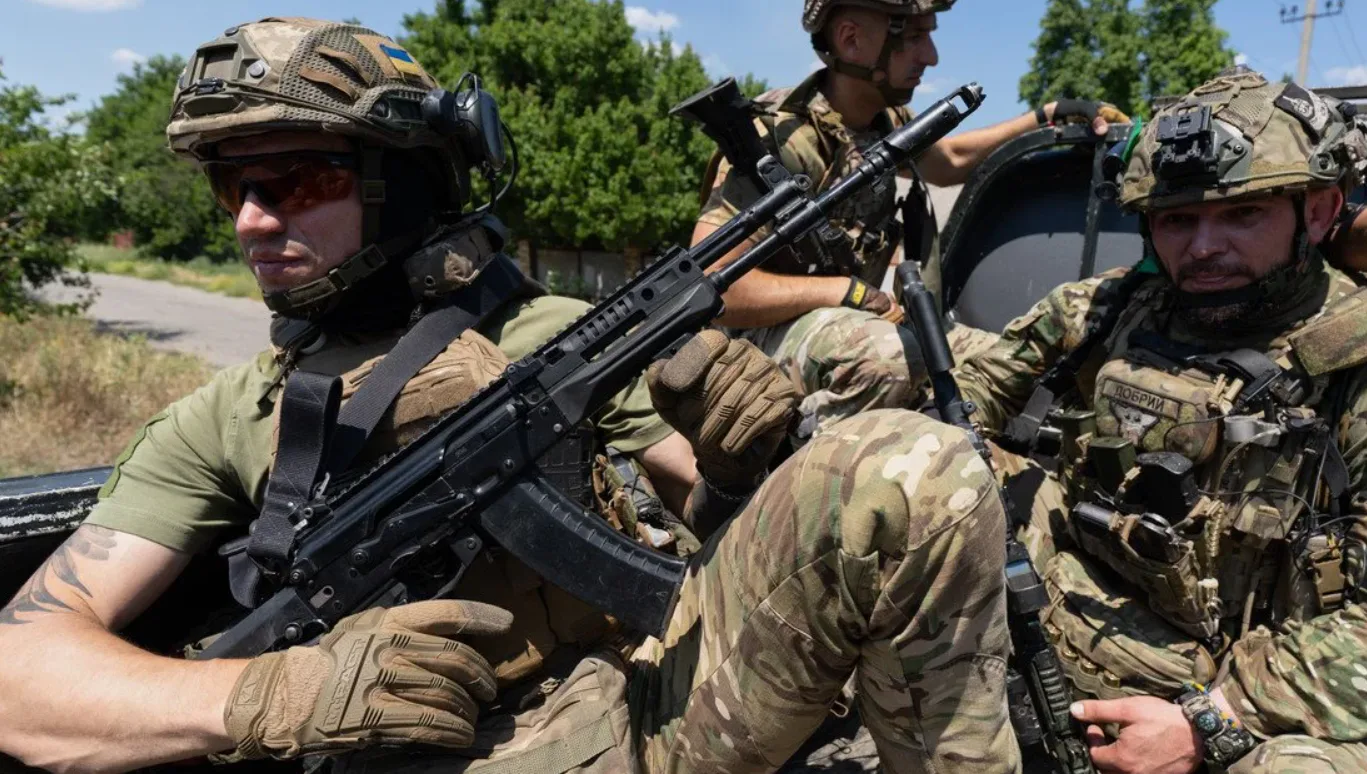
ISW notes that Ukrainian reconnaissance and strike unmanned aerial vehicles quickly detect and destroy most Russian groups attempting to breach Ukrainian defenses.
In particular, Russian forces concentrated assault infantry and up to 30 units of light motorized equipment near Zatishka to prepare an offensive on Bilytske. Ukrainian forces detected and destroyed this concentration before the attack began.
According to ISW's assessment, Ukrainian forces also continue to hold positions on the Dobrovillya direction in areas that Russian sources previously claimed had been captured by the Russian armed forces.
Ukrainian military personnel report that drone strikes complicate supplies to Russian units and equipment repairs. This, according to their data, leads to instances of Russian soldiers refusing to follow orders and disruption of small assault group operations.
ISW separately noted that during September 19-20, Russian forces did not achieve confirmed advances on a number of other directions either, including the Lyman, Kupiansk, northern Kharkiv and Sumy regions.
The key question is whether Russia can maintain such a pace of attacks longer than Ukrainian defenses can exhaust assault groups with drones, or whether this very mathematics will determine when the offensive near Dobrovillya exhausts itself.