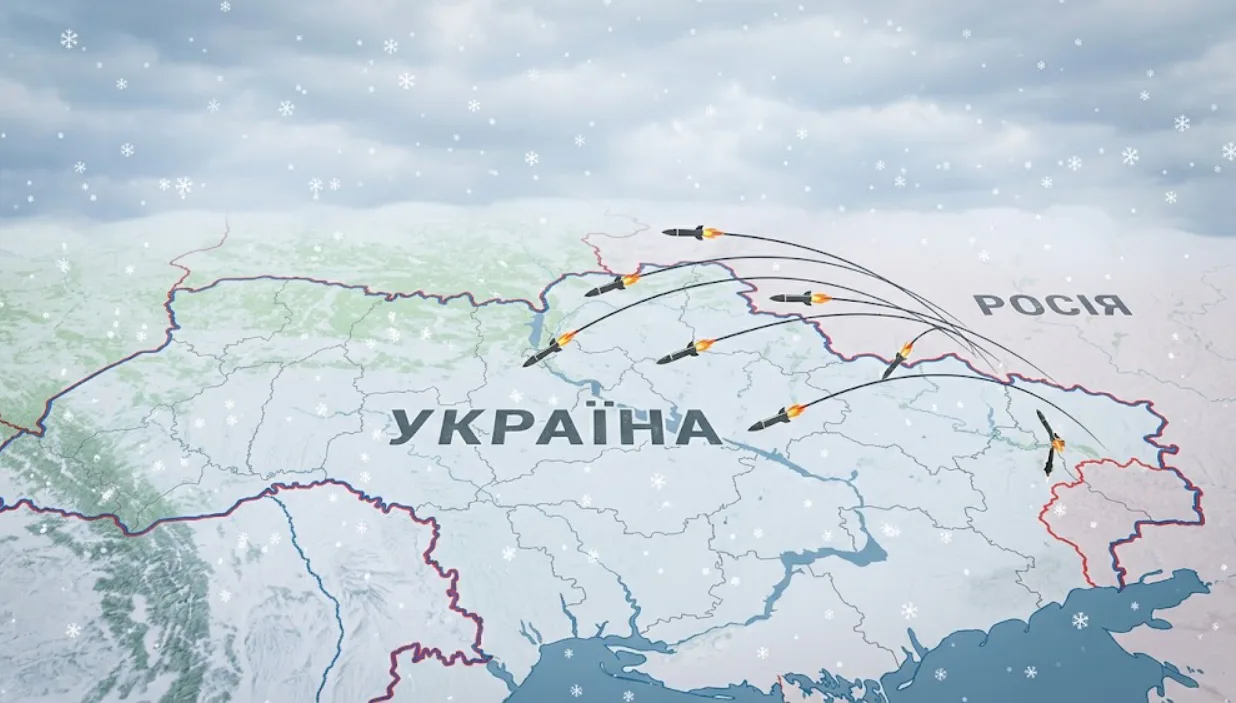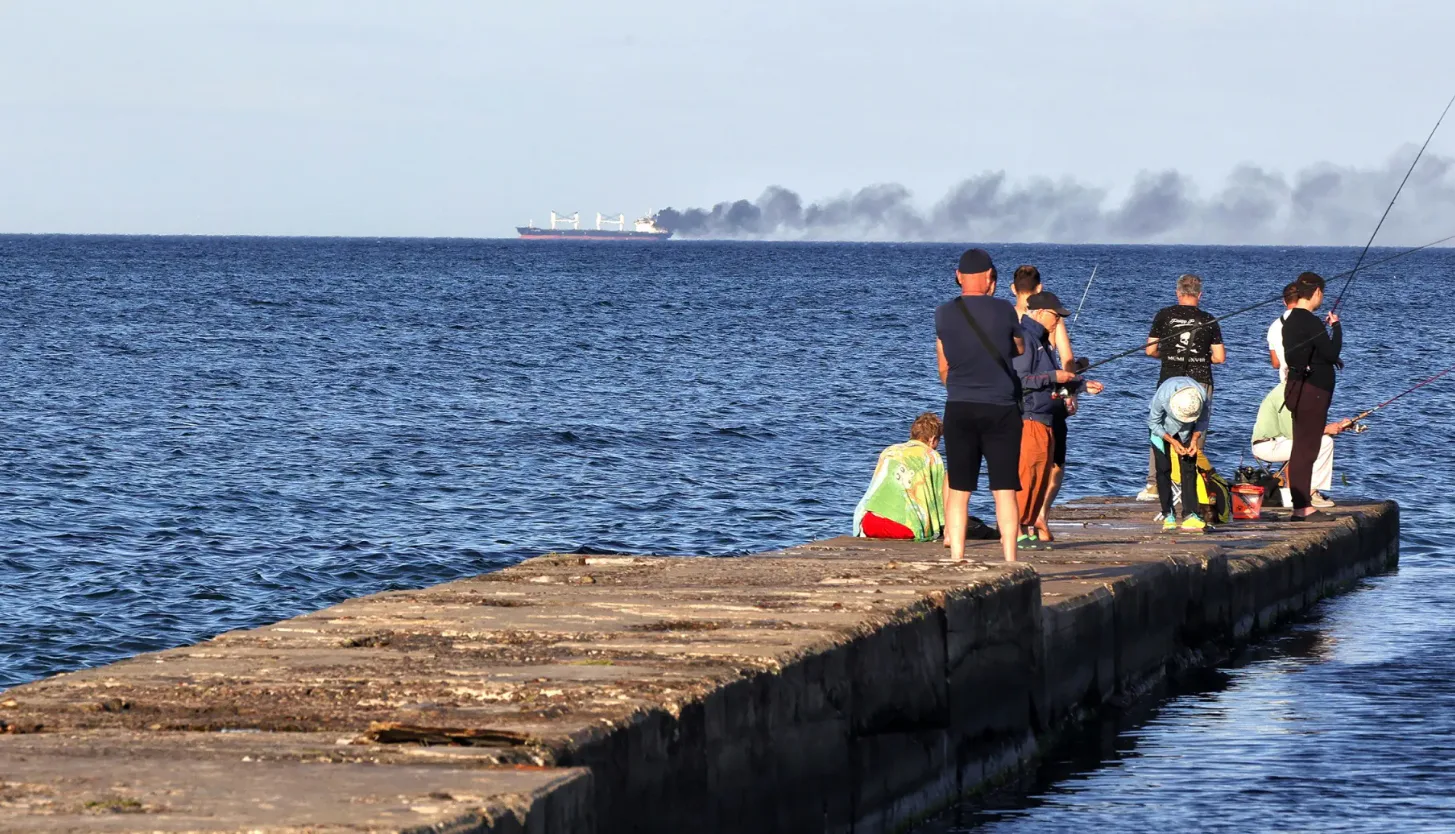
A baker in Cairo is raising the price of bread not because flour has become more expensive on the local market, but because somewhere in the Black Sea, a drone hit a grain terminal three thousand kilometers away. Egypt — the world's largest wheat buyer — has not received any shipments from the Black Sea direction for about a month now. This is not abstract geopolitics; it is a concrete difference in the price of a loaf that every buyer will feel at the market.
The Logic of Comparison with the Strait of Hormuz
Bloomberg analysts compare the situation in the Black Sea to the blockade of the Strait of Hormuz — a narrow corridor through which one-fifth of the world's oil passes. The difference in goods is the substance: when one artery through which a critical share of global supply flows is cut off, prices react instantly and globally, regardless of whether a particular country is a belligerent party.
Ukraine and Russia together account for over one-quarter of global wheat trade, about two-thirds of sunflower oil trade, and approximately 10% of corn supplies. According to SovEcon estimates, combined wheat exports from both countries in July-September could be only half of last year's volume.
Who Pays First
Buyers are trying to reorient toward France, Baltic countries, Romania, Argentina, India, Australia, and the USA. But this is not a switch; it is a slow and expensive process: harvests in alternative countries are limited, logistics are longer, and there is simply not enough transport capacity to quickly replace Black Sea volumes.
The EU warns that further disruptions in the Black Sea could trigger a new global food security shock, especially for countries in Africa and the Middle East, which depend heavily on Ukrainian and Russian grain.
This is the key difference from the oil crisis: wealthy economies can endure more expensive fuel by switching suppliers or drawing on reserves. Countries that import grain for basic food rations do not have such resilience — there, higher bread prices directly translate into social instability.
The Ukrainian Dimension of the Problem
For Ukraine, the situation is more complex than simply losing revenue. The Odesa region ports traditionally account for about 90% of the country's entire agricultural exports, and no land route is capable of fully compensating for this volume. In August, Ukrainian agricultural exports fell to their lowest level since April 2022.
The consequences of this are already visible in elevators: due to the accumulation of new harvest, grain storage facilities could be filled by early November. This means not an abstract "reduced exports," but a concrete threat to farmers who have nowhere to store their harvested grain, and to the next planting cycle, which depends on whether space will be freed and whether there will be money to buy seeds.
Turkey has already prepared a new plan to restore the grain corridor and sent proposals on the grain agreement to both Ukraine and Russia. The question is whether Moscow will agree to a format that truly guarantees the safety of vessels, or whether it will once again turn negotiations into a pressure tool — and how much time Ukrainian elevators have until November to wait for an answer.