On the night of July 2, Russia attacked Kyiv with 74 missiles of various types and 496 drones. Air defense forces shot down four of 24 Iskander-M/S-400 ballistic missiles — 16.7% — and none of the four Zircon missiles. Result: at least 30 killed, around 100 wounded, destruction in all districts of the city.
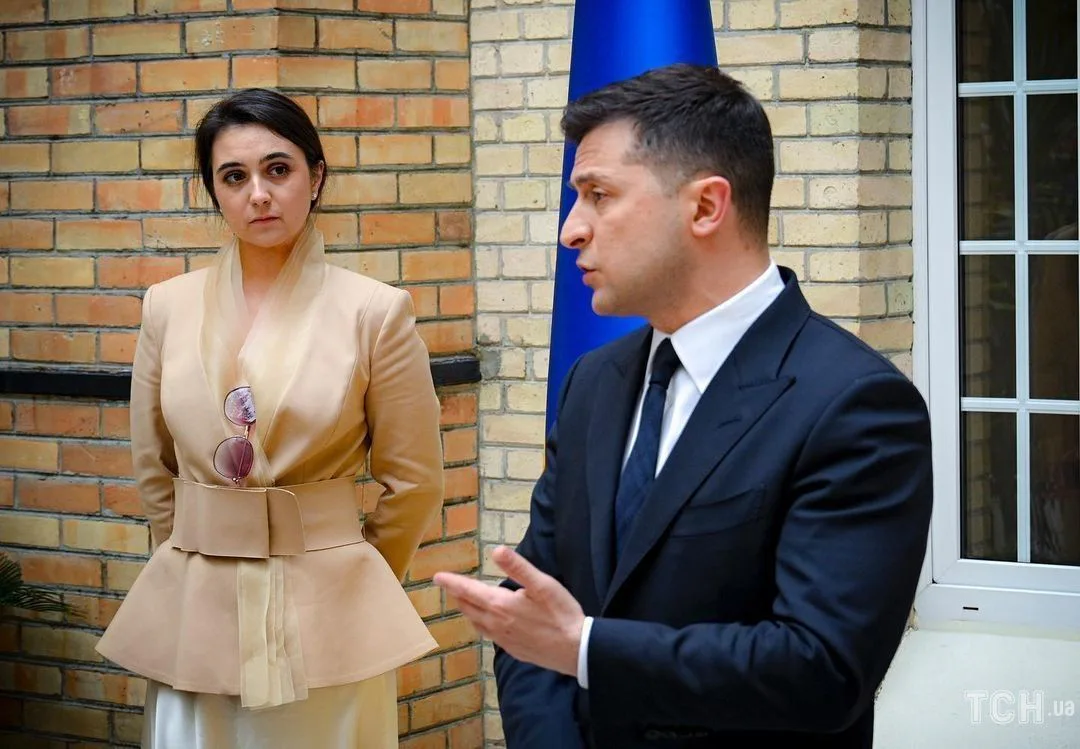
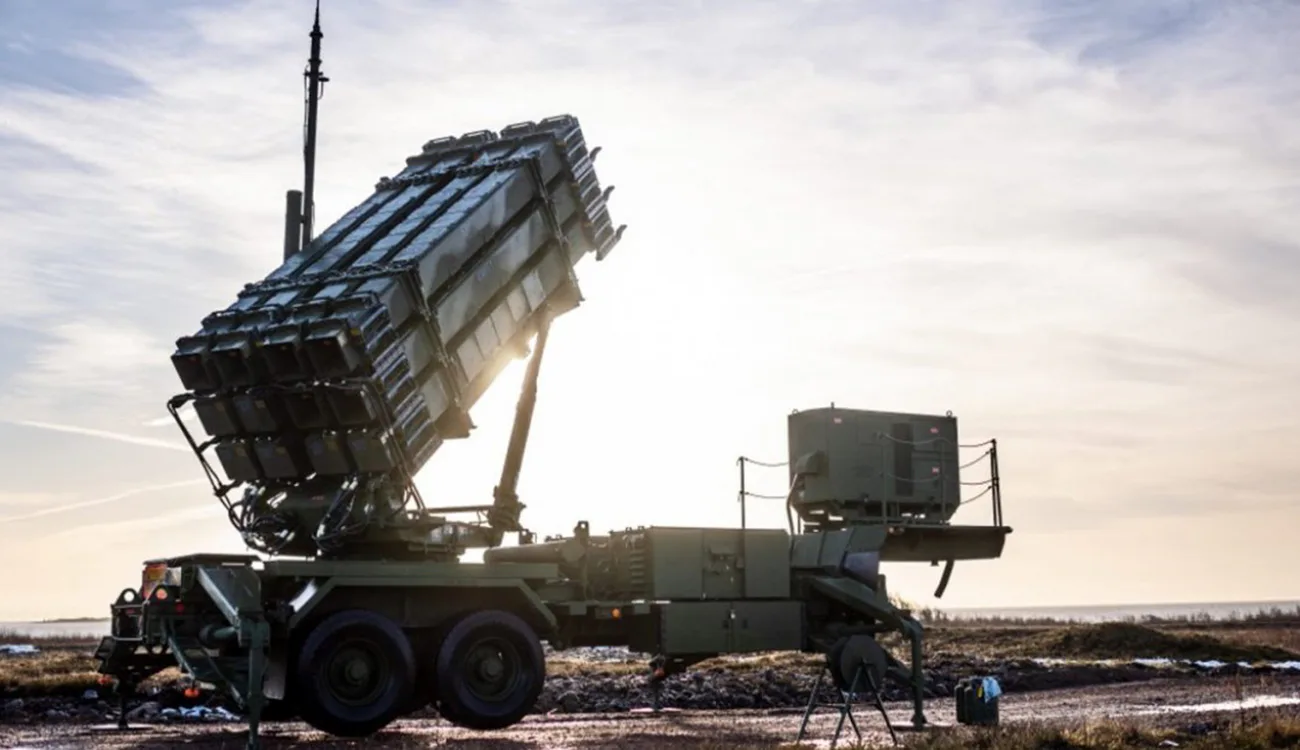
The same day, the Ministry of Defense announced that Mykhailo Fedorov sent letters to almost 40 partner countries. The request is specific: transfer Patriot air defense missiles from their own stockpiles already in July — in exchange for future supplies contracted for Ukraine.
What is being offered to partners
The scheme is not charitable, but logistical. Allies transfer available stocks, receiving in return missiles from contracts concluded for Ukraine later. In parallel, Fedorov called for financing two mechanisms:
- PURL — a program under which NATO allies purchase American weapons directly for Ukraine;
- JUMPSTART — a long-term contracts mechanism, primarily focused on purchasing Patriot system missiles.
"Ukraine critically needs additional Patriot system missiles. They are in partner stockpiles. And the protection of Ukrainian skies depends on quick decisions, scaling up the PURL mechanism, and purchasing missiles through JUMPSTART."
— Ministry of Defense of Ukraine
Why the shortage is not a new problem, but Russia's tactical goal
As Defense Express notes, previous massive strikes occurred on June 2 and June 15 — that is, at approximately two-week intervals. Analysts believe that the RF deliberately chose this rhythm, banking on the depletion of interceptor stocks between attacks. ISW also confirmed that Russia is trying to exploit public discussions about reducing PAC-3 MSE supplies to Ukraine.
Production capacities only underscore the scale of the problem: according to Defense Express, Lockheed Martin produces approximately 52 PAC-3 MSE missiles per month, and American needs take priority. Even if the entire annual output goes to Ukraine, it would not be enough to cover the actual shortage.
Context: NATO summit in The Hague
The appeal came on the eve of and within the framework of the NATO summit in The Hague, where Ukraine, among other things, was seeking concrete decisions regarding defense industry financing and air defense supplies. According to Alona Hетманчuk, head of Ukraine's Mission to NATO, the current summit cannot be evaluated by the criteria of previous ones — but it will have "news for Ukraine."
The real test of Fedorov's initiative lies not in the number of letters, but in how many countries will transfer their stockpiles from their own warehouses before dispatch: without a verification mechanism and a clear exchange schedule, the scheme remains a statement of intent. If by the end of July no country publicly confirms the transfer — the next "two-week" strike on Kyiv will occur under the same air defense conditions as on July 2.