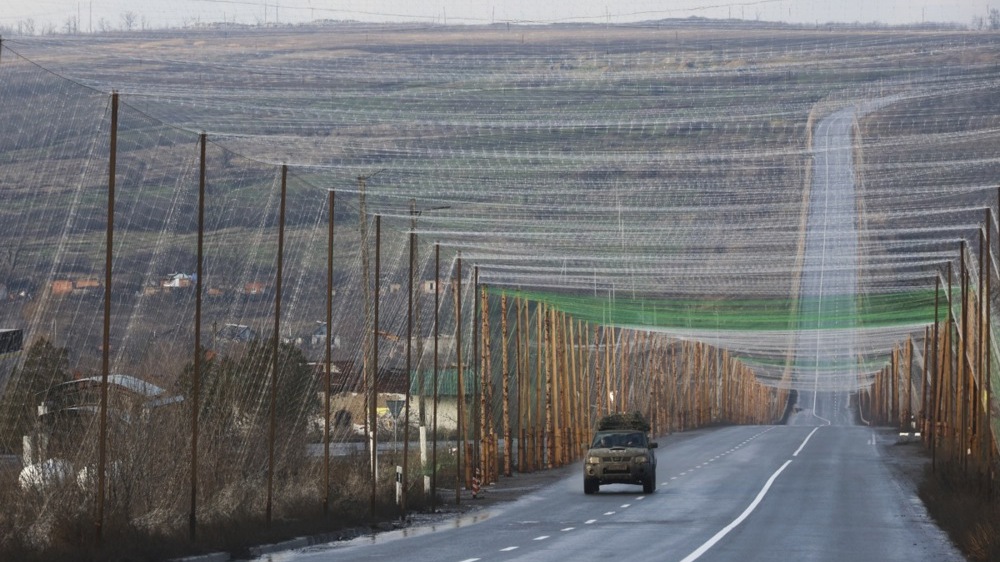
A road in a combat zone is not an infrastructure issue, but a tactical one. Russia systematically strikes at Ukrainian rear logistics facilities — roads, railways and bridges — to complicate further operations of the Armed Forces. Against this backdrop, the Cabinet of Ministers adopted a decision aimed at reducing the time between identifying damage and starting restoration work.
What changed
According to the government resolution, the State Special Transport Service (SSTS) was granted the status of sole customer for work and procurement for current road repair and maintenance in the front-line zone and within 40 km from the line of contact. Previously, authority was dispersed among several agencies, which required additional approvals and delayed execution.
"The government made a corresponding decision that will allow work to begin immediately on priority routes — where troops move, wounded are evacuated and supplies are delivered."
Prime Minister Yulia Svyrydenko
The list of roads has already been agreed upon with the military. An additional 1.5 billion hryvnias have been allocated for front-line routes.
Why this is needed now
Front-line roads are critical not only for military logistics — humanitarian cargo is delivered through them and evacuation is carried out. The SSTS, as a militarized structure, has the right to work directly in the combat zone — unlike civilian contractors who cannot be engaged in work under shelling.
- Speed of response: a sole customer — without inter-agency approvals for each facility
- Prioritization: routes agreed upon with the Ministry of Defense, meaning sequence is determined by tactical needs
- Procurement: the SSTS was given the right to independently conduct tenders — previously this required participation of other customers
Context: winter left its bill
Since the beginning of the year, Ukraine has repaired over 1 million square meters of road surface damage — by government estimates, the highest figure in the last six years. A significant portion of this damage is not only a result of winter, but a consequence of constant heavy vehicle traffic and direct strikes.
According to ISW data, Russia is expanding the production and adaptation of drones for strikes on logistics, and the campaign to suppress rear routes is already linked to the advance of Russian forces in the Zaporizhzhia direction. Repairs under active shelling is not a construction task, but an organizational matter: who makes decisions, who pays, who bears responsibility.
The new Cabinet decision removes ambiguity in the first point. But how quickly the SSTS will be able to deploy work in an actual strike zone — will become clear after the first public report on completed facilities tied to specific routes.







