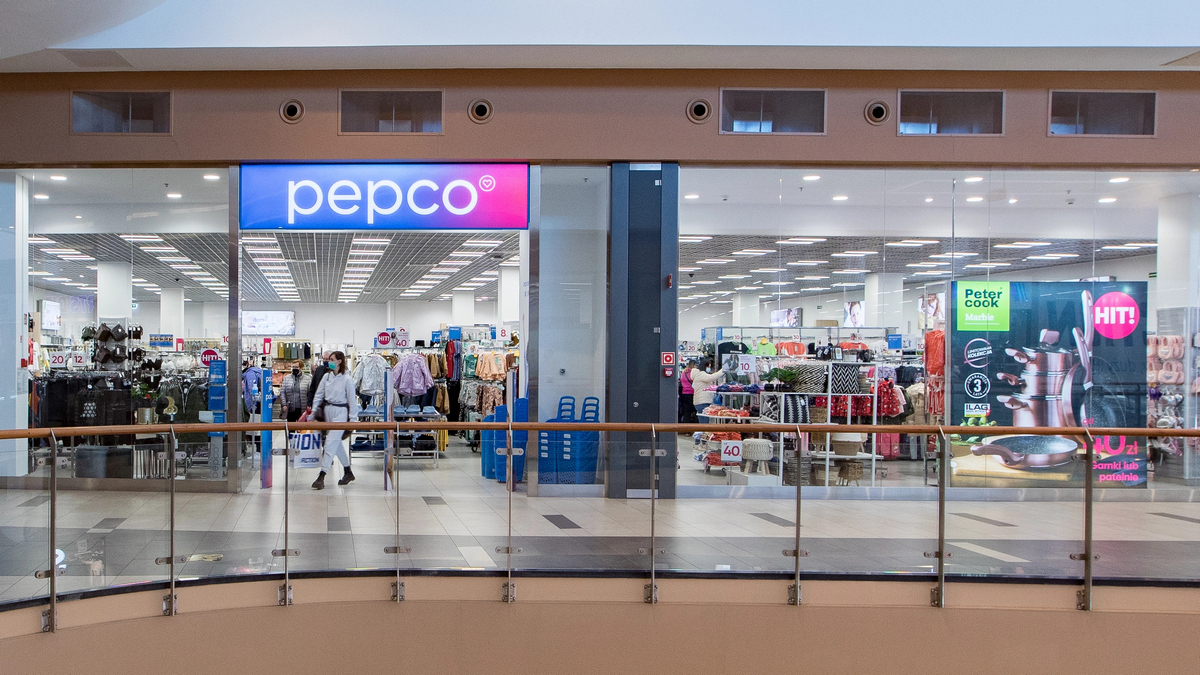
On May 21, Pepco Group officially confirmed its entry into the Ukrainian market. The group's CEO Stefan Borchert called it a "carefully controlled pilot project in selected regions" — and immediately added that Ukraine "has the potential to become a significant new source of growth" for the company.
The company did not disclose specific cities or launch dates. However, even before the official announcement, the picture was becoming clear: according to the Ukrainian Retailers Association (RAU), the consulting company Retail&Development Advisor (RDA), acting as Pepco's exclusive representative in Ukraine, was negotiating with contractors about setting up the first locations. According to Forbes Ukraine, confirmed by RDA partner Andriy Zhuk, between 5 and 10 stores could open in Ukraine by the end of 2026.
Why now — and why a discount retailer
The logic behind the entry seems paradoxical only at first glance. According to Deloitte Ukraine research, in 2025 Ukrainians spent only 5% of their monthly budget on clothing and footwear — half of what they would like to. More than 80% of spending goes to basic needs: food, utilities, healthcare. For an impoverished but large market, the discount store format — low prices on clothing and household goods — is organic.
Meanwhile, Polish retail in Ukraine has already established a dominant position. According to LIGA.net, after nearly four years of war, Polish retail chains have captured the largest share of the Ukrainian fashion market. LPP Group (Reserved, Sinsay, Cropp) had 144 stores as of late 2023. Pepco is entering a space already prepared by Polish brands.
"We are launching a carefully controlled pilot project in selected regions of Ukraine — in a market where Pepco already has a recognizable brand and which could potentially become a significant new source of growth for the group."
Stefan Borchert, CEO of Pepco Group
Financial context: the company is growing and seeking new markets
The decision about Ukraine emerged against the backdrop of strong group results. According to preliminary Pepco Group data for the 2025 financial year, revenue grew by 8.7% — to €4.523 billion, EBITDA — by 10.3% to €865 million, net profit — by 19.7% to €219 million. The group sold British Poundland in June 2025 and is now focused exclusively on the Pepco and Dealz brands — actively seeking where to direct its capital.
At the same time, the competitive environment in Ukraine is becoming more challenging. While Pepco prepares to enter, Reebok is exiting the market: according to RBC-Ukraine, Turkish operator FLO Retailing, which managed the network in Ukraine, will close its last two Kyiv stores in spring 2026 due to losses.
What remains unknown
- Launch regions — Pepco has not named any city. The caution is explained by security risks: the pilot involves selecting cities with lower probability of rocket strikes on infrastructure.
- Risk insurance mechanism — the company did not disclose what coverage or guarantees make entry acceptable to shareholders.
- Local competition — the discount format in Ukraine is partially covered by secondhand stores and online marketplaces, which have grown dramatically during the war.
A pilot with 5–10 stores is a bet, not a strategy. If by the end of 2026 Pepco opens stores in three or more regions and shows a positive operating result — this will become a signal for other major European retailers that have kept Ukraine in the "observation" category. If the pilot is limited to Lviv alone and freezes — it will confirm that even the most cautious entry currently depends not on business model, but on the dynamics of the front.







