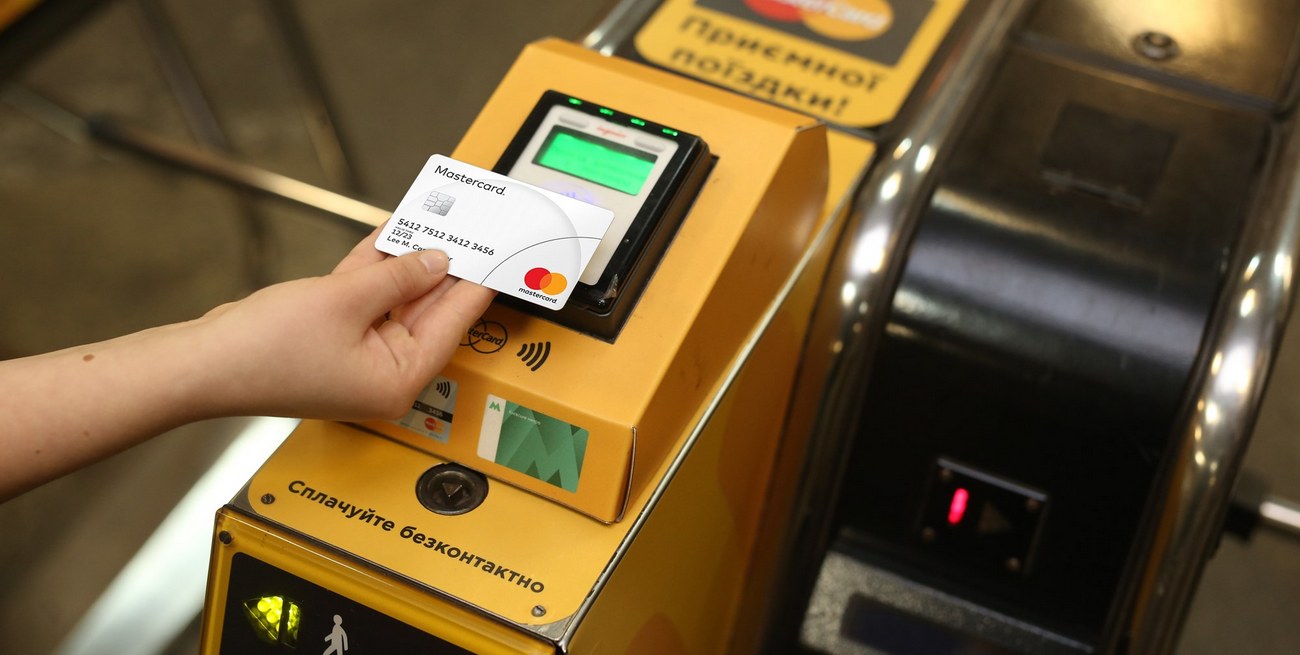
On May 18, Kyiv City State Administration released a draft of new tariffs: from July 15, a single ticket for the metro, trolleybus, tram, and bus will cost 30 hryvnia — instead of the current 8. The same day, Oleksiy Ksenich, head of the NGO "Gray Corps," submitted a petition on the Kyiv City Council website demanding to freeze tariffs until the end of martial law. In less than a day, more than 6,000 Kyivans signed it.
What the figures mean
The current tariff of 8 hryvnia has not been revised since March 2020. Over six years, the cost of a trip has increased dramatically: in April, Sergiy Pidhainyi, director of the Department of Transport Infrastructure of Kyiv City State Administration, reported that the average cost for ground transport is 44 hryvnia, and for the metro even higher. According to kyiv.news, in 2026 the cost of a single metro trip reached 64 hryvnia. This means that even after the increase, the city will subsidize each trip — the difference between the tariff and the cost remains twofold.
The NGO "Kyiv Passengers" criticizes the methodology of these calculations, calling them manipulative. Transport analyst Oleksandr Hrechko cites different figures: the cost in the metro is 26 hryvnia, in ground transport — 21 hryvnia.
"All that the Department of Economics of Kyiv City State Administration managed to do in several months of work is multiply all existing tariffs by 3.75 — we believe the existing tariff draft should simply be thrown away"
NGO "Kyiv Passengers," Telegram
What the authorities propose — and what they omit
The Kyiv City State Administration's draft provides not only a fixed 30 hryvnia: for those with transport cards, a discount system will apply depending on the number of pre-purchased trips, and a monthly unlimited pass will cost 4,875 hryvnia. A separate transfer ticket for 60 hryvnia is being introduced — it allows transfers between metro and ground transport within 90 minutes without additional payment.
The petition's author insists on conducting an audit of transport enterprises' expenses before any tariff review. The procedure for setting tariffs formally provides for public hearings — but the date of their conduct has not yet been announced, while the date of the new prices' implementation already is: July 15.
Where Kyiv stands compared to other cities
- In Lviv, as of May 16, 2026, the fare already costs up to 30 hryvnia depending on the payment method.
- In Kyiv, the tariff remained the lowest in Ukraine — and even after the increase will remain below the cost of service.
- Kyiv City Council is concurrently considering attracting a credit of 1.5 billion euros for metro construction to Troyeshchyna — this project becomes financially justified only if the tariff approaches actual expenses.
The petition is now officially subject to review by Kyiv City Council and the mayor. However, the mechanism of this review does not require mandatory compliance with demands: the council can take into account the position of citizens or leave the decision unchanged.
The key question is not whether the tariff will increase — this is already effectively decided. The question is whether the promised public hearings will take place before July 15: if Kyiv City State Administration introduces new prices without public discussion of the calculation methodology, a precedent for shifting the financial problems of utilities onto passengers without accountability will become the norm.







