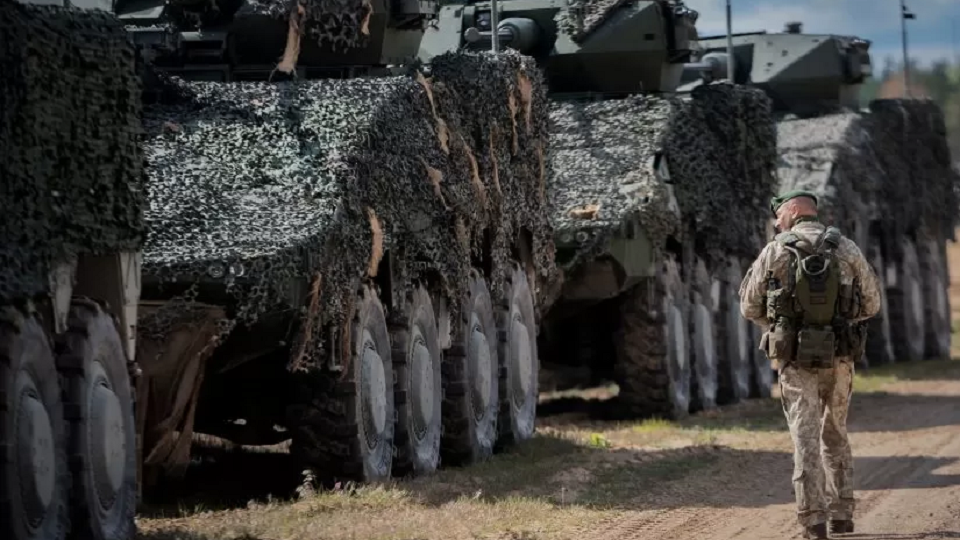
Lithuania and Estonia raise defense spending to 5% of GDP at Trump's demand
The Baltic states have approved record budgets for 2026: Lithuania and Estonia are allocating 5% or more of GDP to defense, while Latvia aims to reach that level in 2027.
Financial news, budget and personal finances
The Baltic states have approved record budgets for 2026: Lithuania and Estonia are allocating 5% or more of GDP to defense, while Latvia aims to reach that level in 2027.
British commercial banks oppose using about £8 billion of frozen Russian funds for a loan to Ukraine, citing potential legal consequences and the absence of government guarantees.
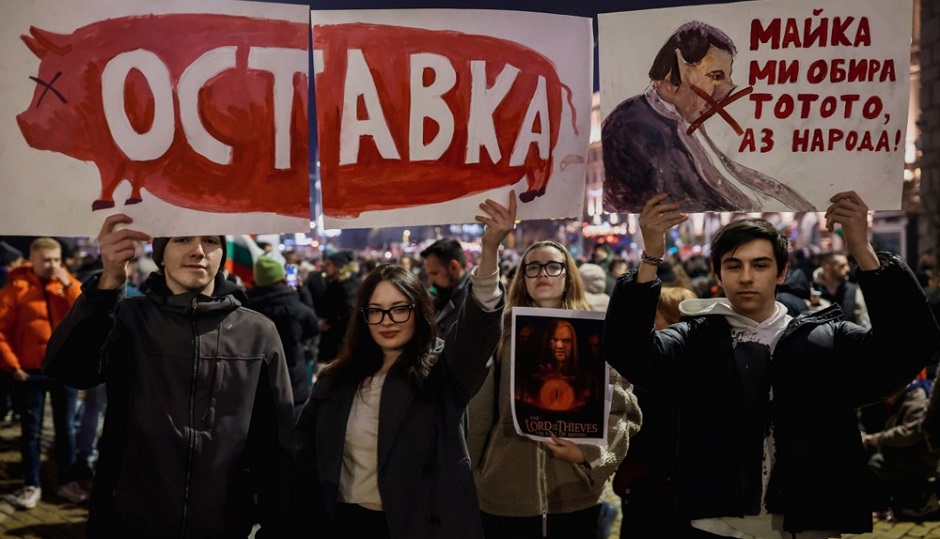
Rosen Zhelyazkov submitted his resignation after two weeks of protests sparked by the draft 2026 budget proposing changes to taxes and social contributions. The resignation was announced ahead of a vote of confidence in the government.
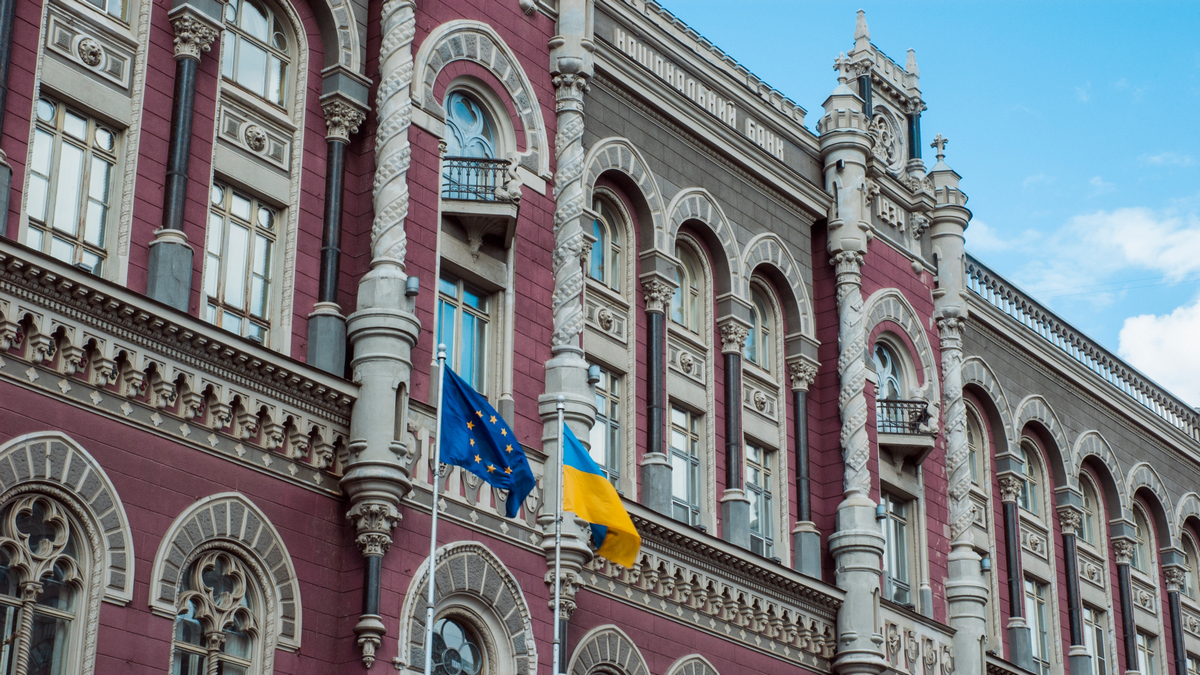
The National Bank of Ukraine kept its key rate at 15.5% amid uncertainty over external financing, notably a delay in a reparations loan, and elevated inflation expectations. November inflation was 9.3% year‑on‑year.
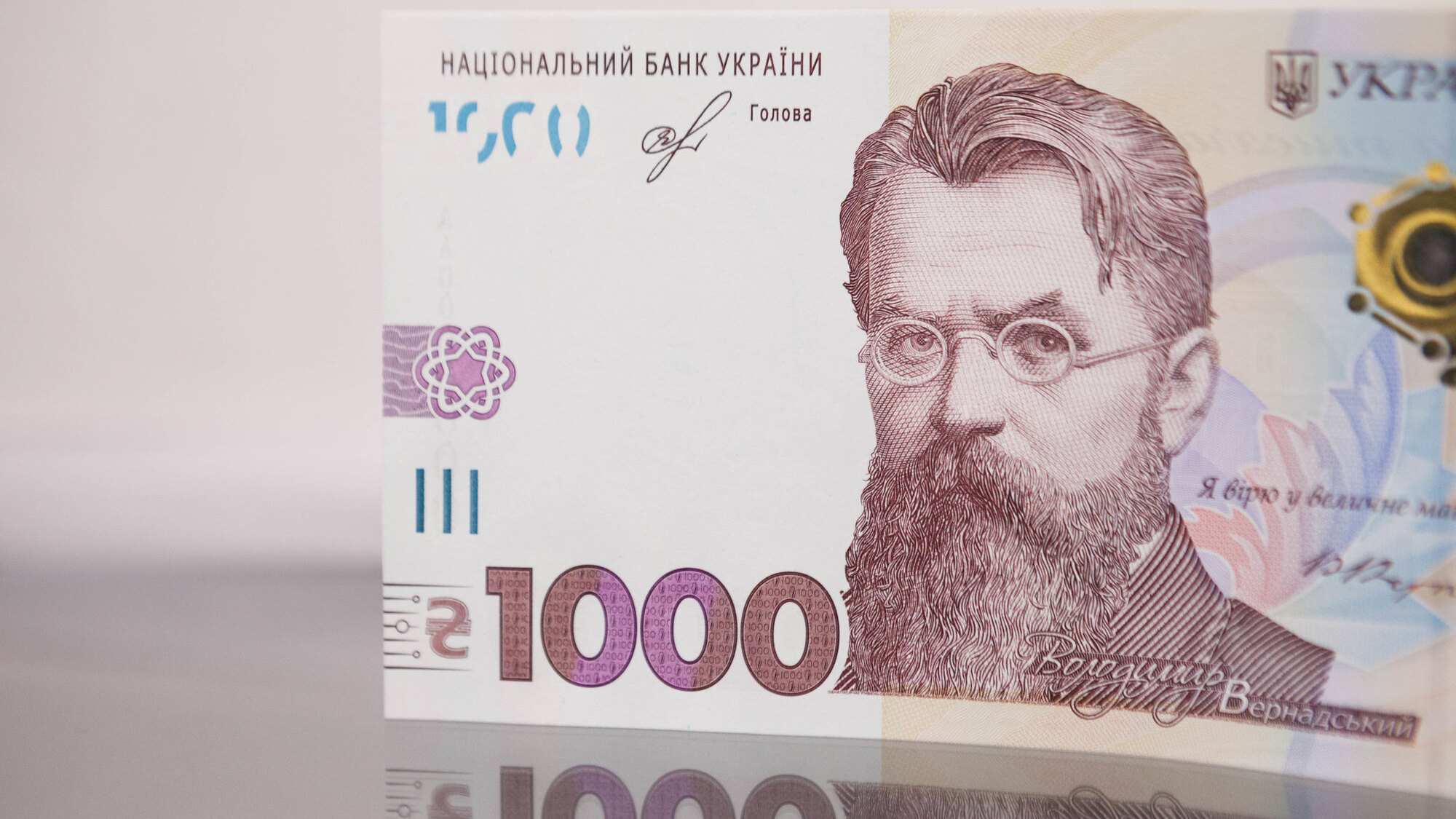
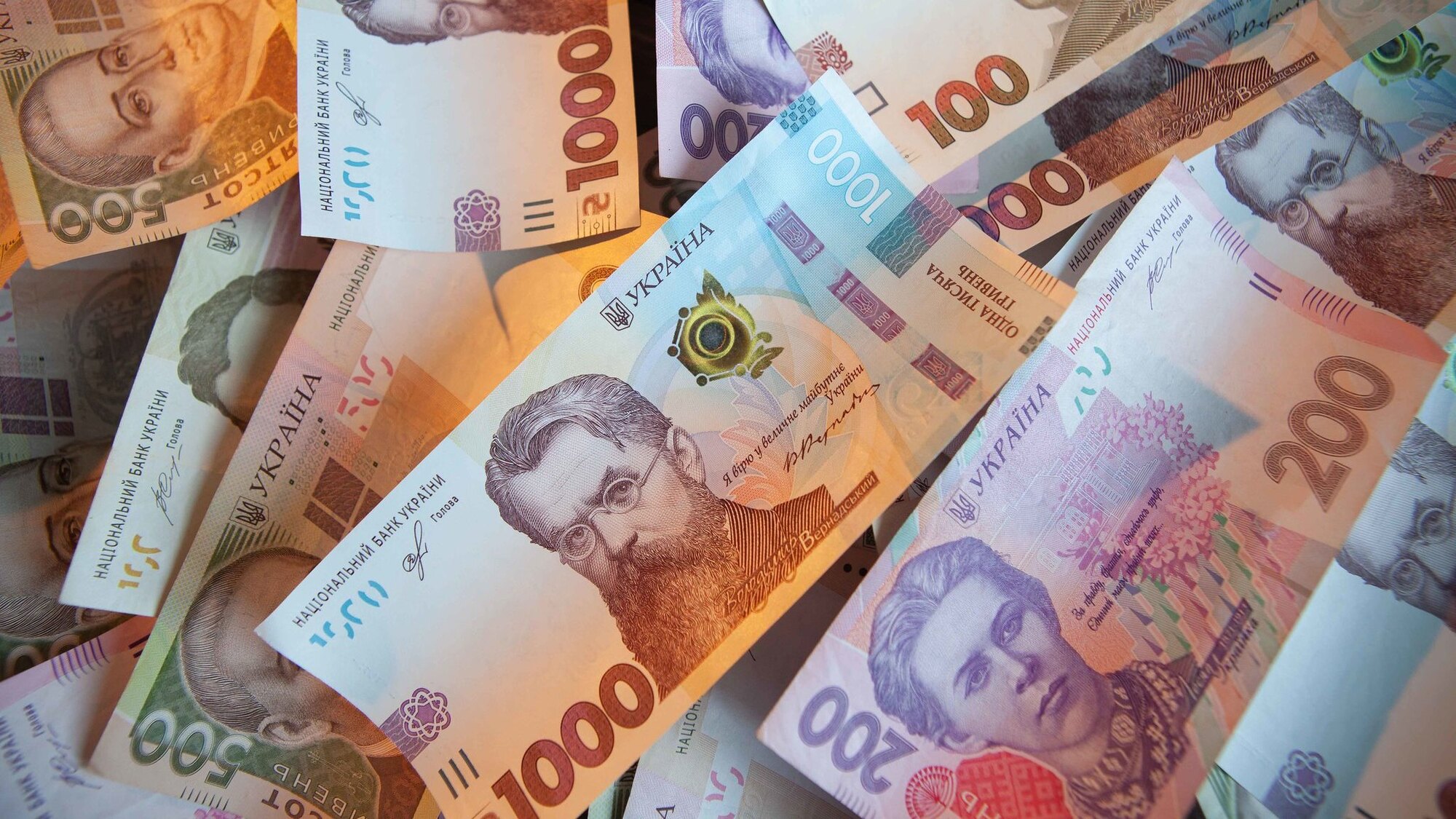
Starting December 11, the UAH 1,000 from the "Winter Support" program must be spent on Ukrainian-made food products using the "National Cashback" card. There are restrictions on eligible goods, retail chains and the timeframes for use.
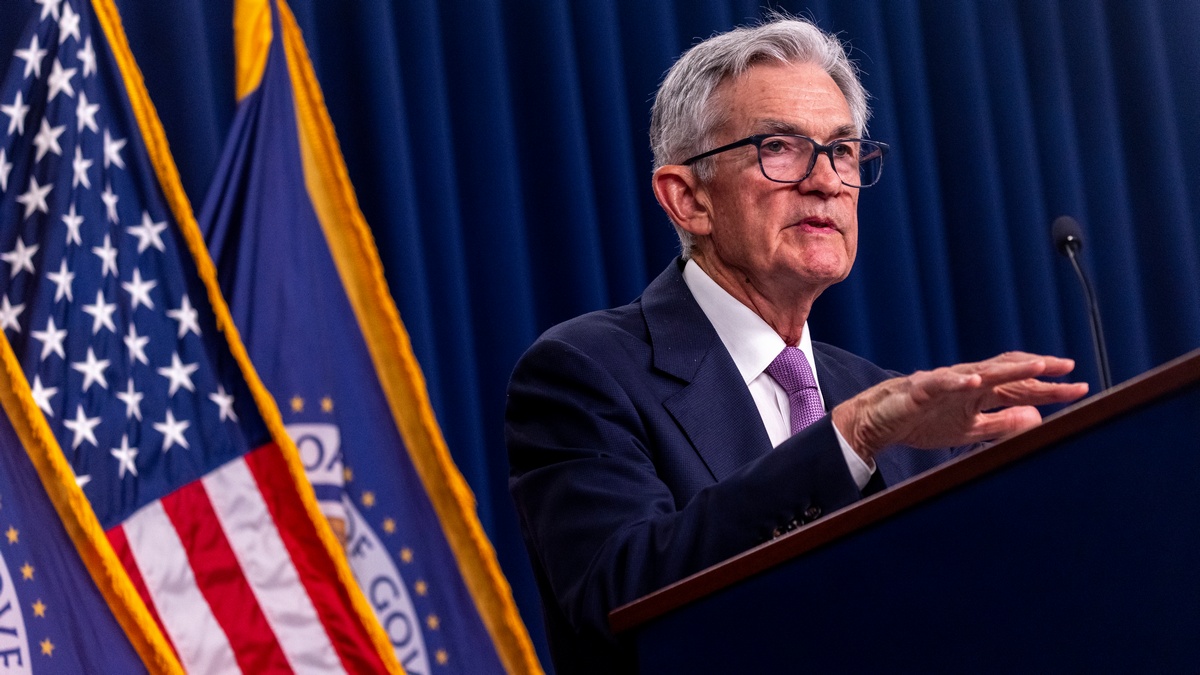
The Federal Reserve cut its key rate for the third consecutive time to 3.5–3.75%, citing rising risks to employment. Inflation is around 3%, and unemployment has risen to 4.4%. The decision was supported by nine members, with three opposed. The National Bank of Ukraine will decide its rate on December 11.
Starting January 1, 2026, a national screening for people aged 40 and over will begin. The program is allocated 10 billion hryvnias; 2,000 hryvnias will be credited to each participant's card to pay for examinations.
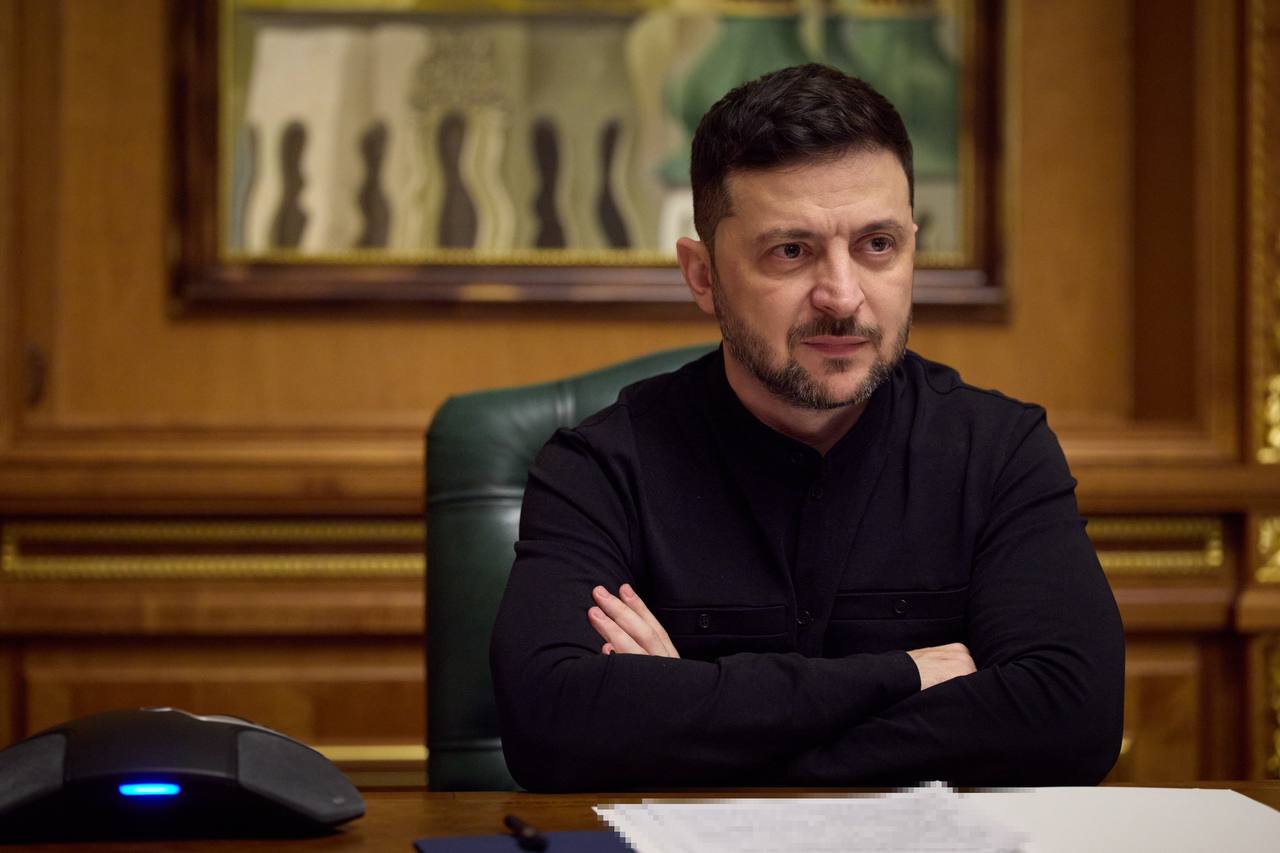
The President signed the 2026 budget, with revenues of UAH 2.92 trillion and a deficit of UAH 1.9 trillion. Expenditures total UAH 4.78 trillion, a significant share allocated to defense; the budget provides for increases in social standards.
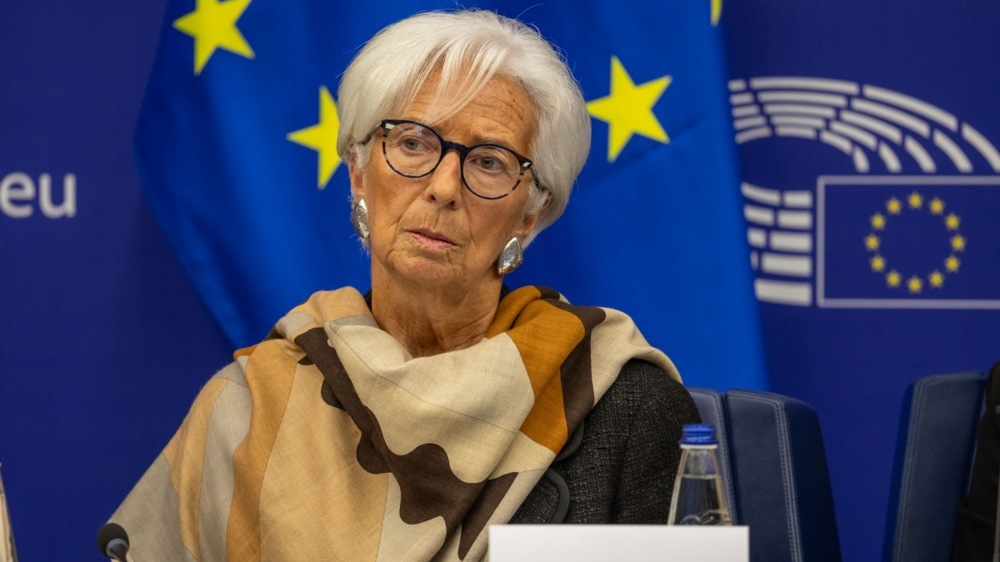
ECB President Christine Lagarde described the latest version of the European proposal for financial support to Ukraine as best aligned with international law and urged Europeans to continue their support. She stressed the initiative's legal exclusivity.
According to the State Statistics Service’s preliminary estimate, real GDP in July–September 2025 rose 2.1% year‑on‑year; quarter‑on‑quarter growth was 0.8%. The National Bank of Ukraine forecasts annual growth of 1.9%.
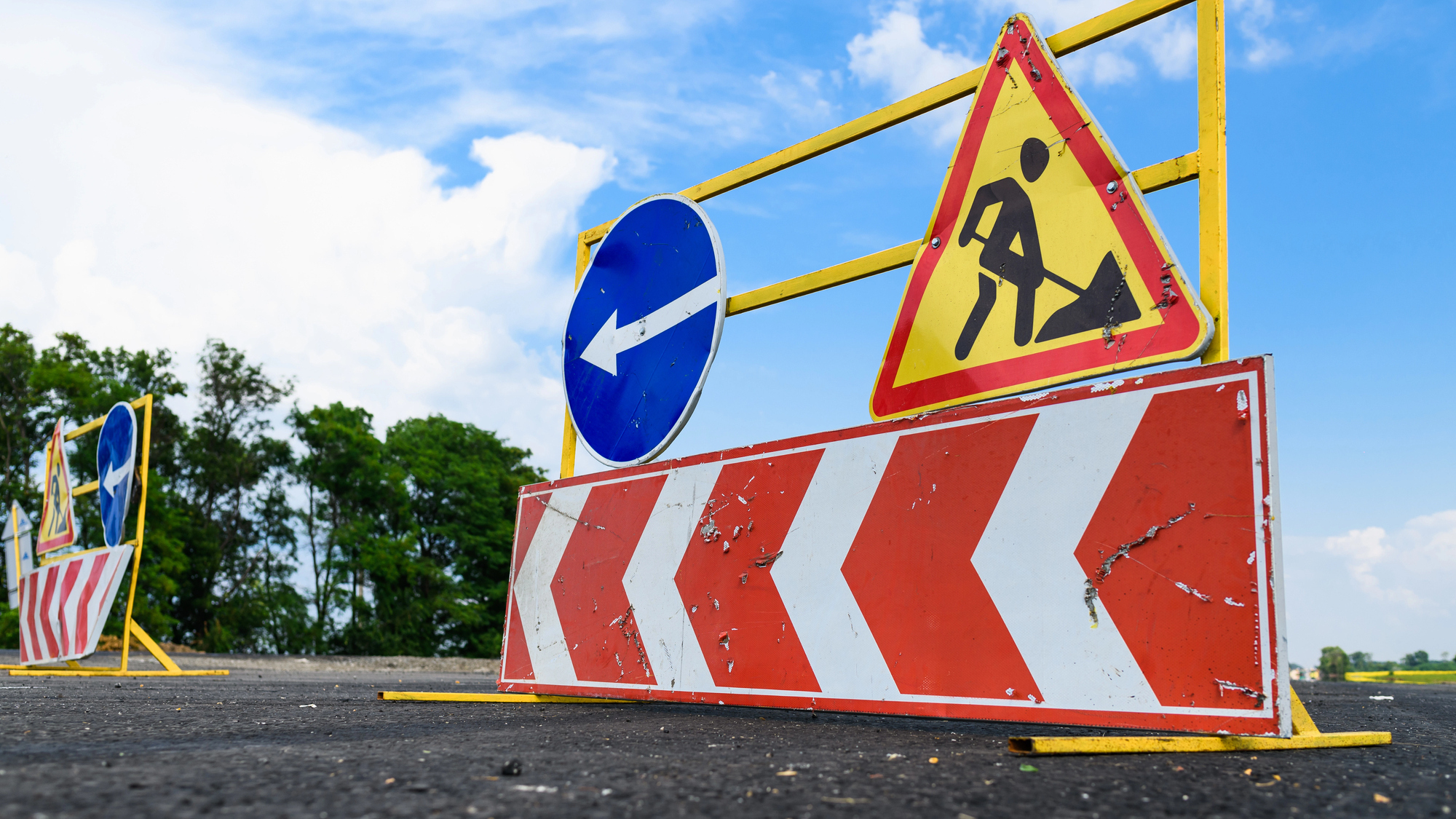
The Anti-Corruption Bureau has completed its investigation into the former head of the Oblast Military Administration and other individuals suspected of embezzling more than UAH 392 million during road repairs.
The International Finance Corporation is investing in the equity of two Ukrainian insurers — Knyazha and the Ukrainian Insurance Group (USG), acquiring 20% stakes in each company. This is IFC's first entry into Ukraine’s insurance sector.
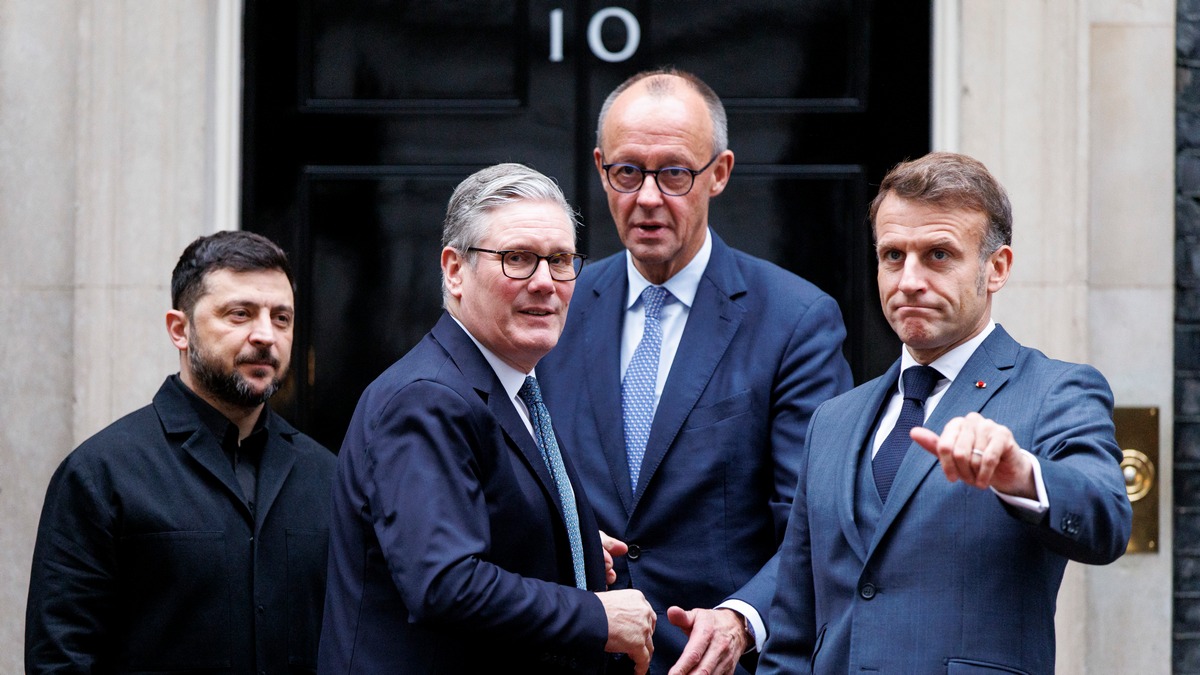
After the London meeting, Keir Starmer, Volodymyr Zelensky and the leaders of France and Germany expressed hope for a swift agreement on a mechanism to use frozen Russian assets to support Ukraine's defence and reconstruction.
The Council of the EU approved the EDIP programme for 2025–2027 with funding of €1.5 billion. A separate €300 million instrument is earmarked for Ukraine, while the remaining €1.2 billion will be directed to joint European defence projects.
French Mfex director Olivier Yubi, linked to Russia, allegedly used influence and threats during negotiations over the use of frozen Russian assets. This has raised questions about the protection of Euroclear’s leadership and access to €193 billion.
Prime ministers of seven European countries urged the swift approval of a reparations loan drawn from frozen Russian assets, saying it would bolster Kyiv in peace negotiations and would not hamper peace efforts.
Law enforcement has seized cryptocurrency assets worth $107 million that, according to authorities, were intended to finance pro‑Russian parties and influence networks. A Kyiv statement also describes a wide‑ranging Russian operation and steps to protect electoral systems.
In 2025, transfers to monobank's "banks" fell by 19%, while the three largest charitable funds received a record UAH 105.87 billion — 37% more than in the previous three years combined.
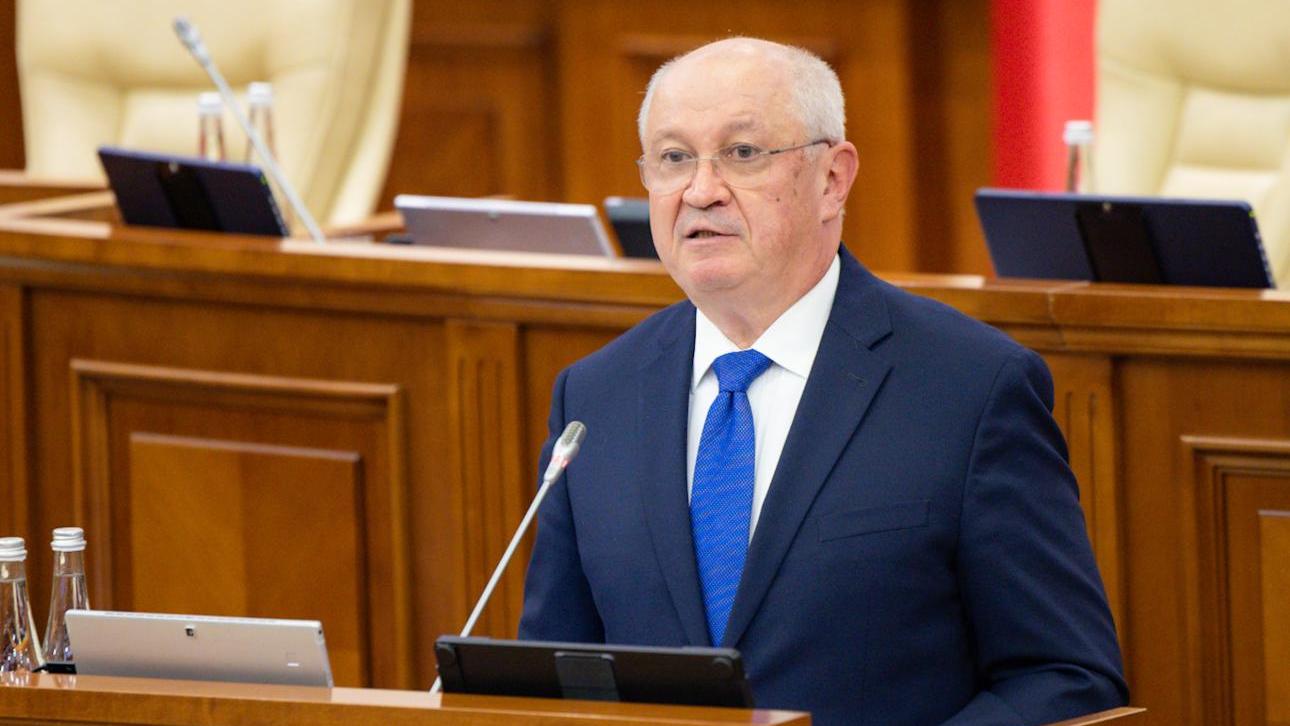
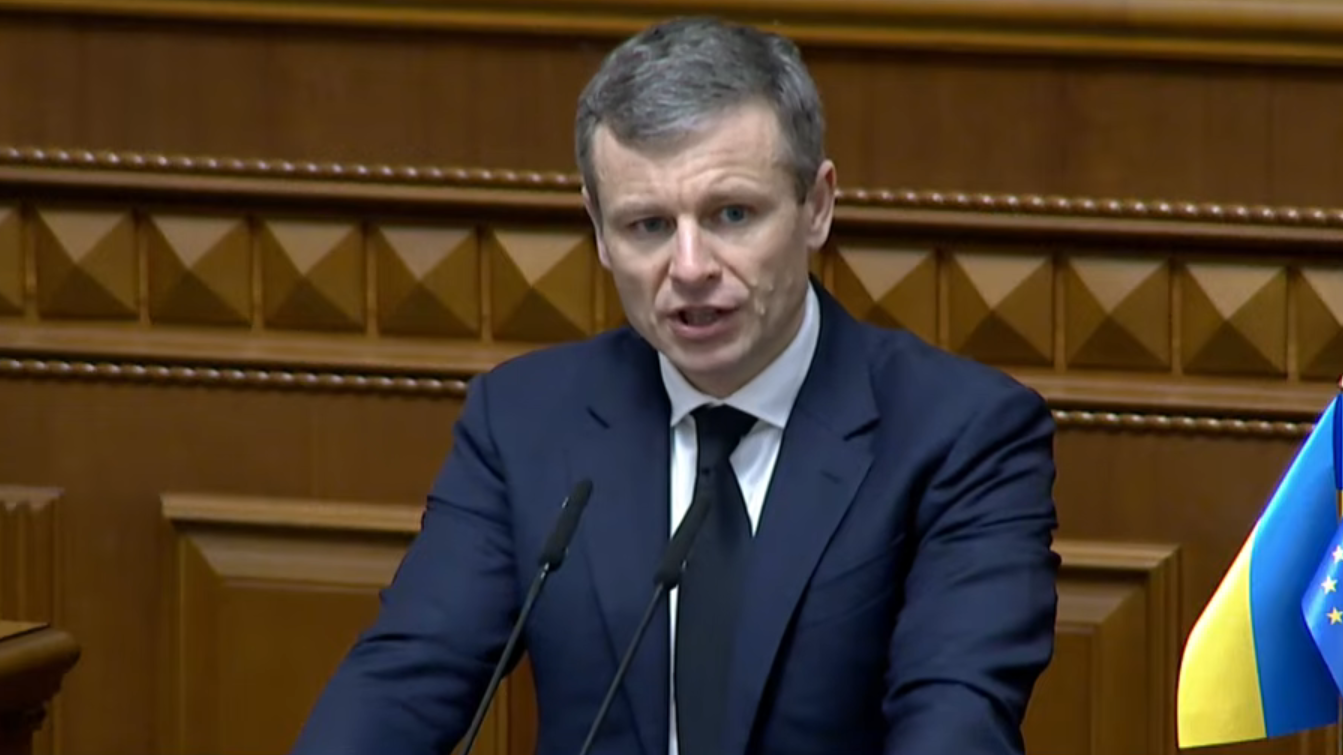
Prime Minister Alexander Muntianu said the government will seek a new agreement with the IMF as confirmation of macroeconomic stability, although there is currently no immediate need for financing. The article mentions previous programs and outstanding tranches.
The United Kingdom will join the EU initiative and plans to allocate £8 billion from frozen Russian assets to aid Ukraine. The mechanism has not yet been agreed; a decision is expected at the EU summit on 18–19 December.
The adopted budget gives the Finance Ministry the right to swap government bonds held by the National Bank of Ukraine. The central bank will agree only to a partial operation; talks are underway to exchange inflation-indexed OVDPs of 2017 with a nominal value of UAH 145.2 billion for new securities with a more favorable rate.
In November, Ukraine’s international reserves rose by more than 10% — to $54.75 billion, setting a new record. The increase was driven by large international inflows, a decline in the NBU’s net foreign‑currency sales and support for imports.
Parliament passed two bills exempting from VAT the importation of components and equipment for UAVs, electronic warfare systems, demining machines and other defense equipment; they also set out accounting rules and the duration of the exemptions.
Over six months, PlayCity shut down more than 2,500 illegal online casinos, removed over 280 social media pages, fined bloggers and media outlets more than UAH 52 million, and secured over UAH 1.4 billion from licenses.
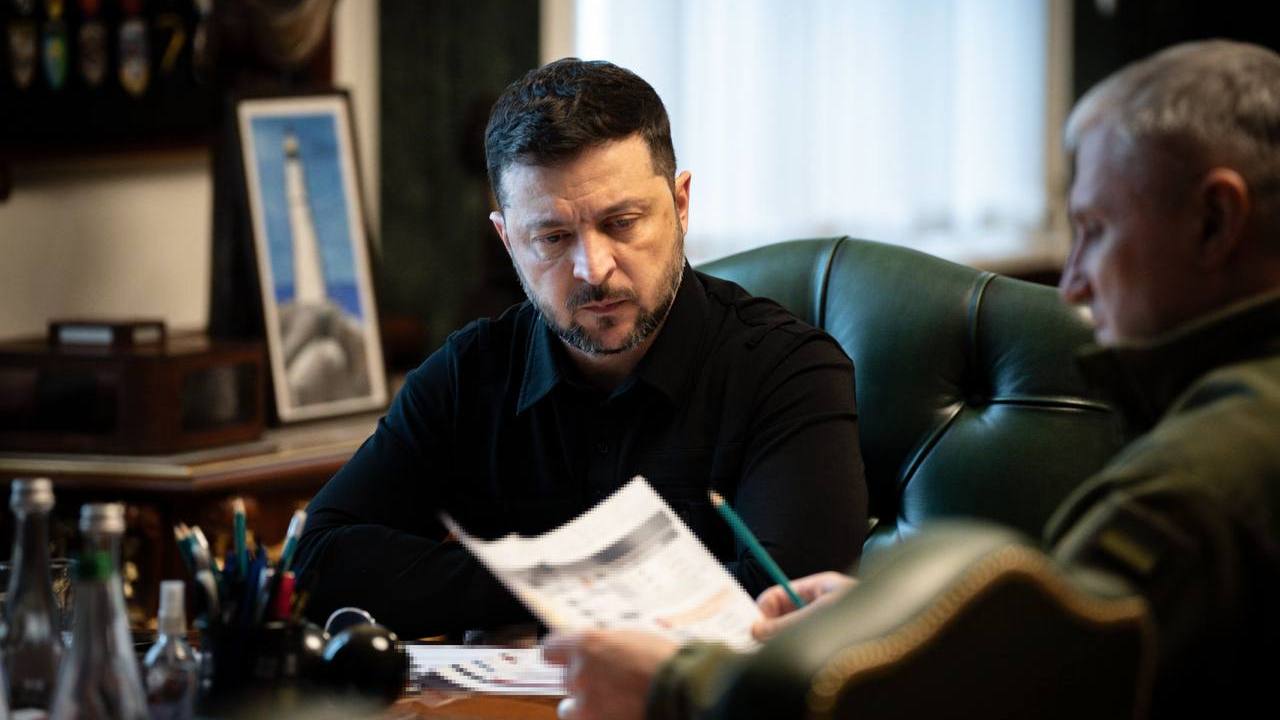
The President ordered the Minister of Defense to urgently reconstitute the supervisory boards of defense enterprises to ensure full control, instructed the Prime Minister to inform partners; at the same time, changes in the energy sector have been launched.
The EU will add Russia to the list of countries with an increased risk of money laundering and terrorist financing, forcing banks to tighten transaction checks. FATF suspended Russia’s membership, but had not previously placed it on its blacklist.
On December 3, parliament adopted the draft budget for 2026; the document foresees revenues of UAH 2.92 trillion, expenditures of UAH 4.78 trillion, and a significant share of funding for defense.
The initiative to introduce VAT for some individual entrepreneurs has been temporarily removed from the faction’s agenda due to a lack of votes in parliament. Negotiations with the IMF on a new financing program are ongoing in parallel.
Lawmakers are preparing final amendments to the 2026 state budget: part of the personal income tax (PIT) will be transferred to local communities to cover energy costs, additional funds will be allocated to defense and the State Bureau of Economic Security (BEB), and increases in teachers' salaries are planned.
Binance announced the appointment of Yi He as co-CEO alongside Richard Teng. She will be responsible for strategy, engagement with regulators and platform development; the appointment followed the pardon of the previous CEO.