On the map of Ukrainian pottery, there are two names known even by those who have never held clay: Kosiv and Sokal ceramics. The first has been on the UNESCO list since 2019. The second has just taken its first formal step toward the same recognition.
By an order of the Ministry of Culture of Ukraine dated June 23, 2025, the "Tradition of existence and art of creating Sokal ceramics" was included in the National Register of Intangible Cultural Heritage of Ukraine. According to the head of the Lviv Regional State Administration, Maksym Kozytskyi, this is already the 12th element from Lviv region to receive such recognition — alongside Yavoriv toys, Boyko pysanka, Horodok embroidery, and Sokal shirts.
Pottery that once disappeared
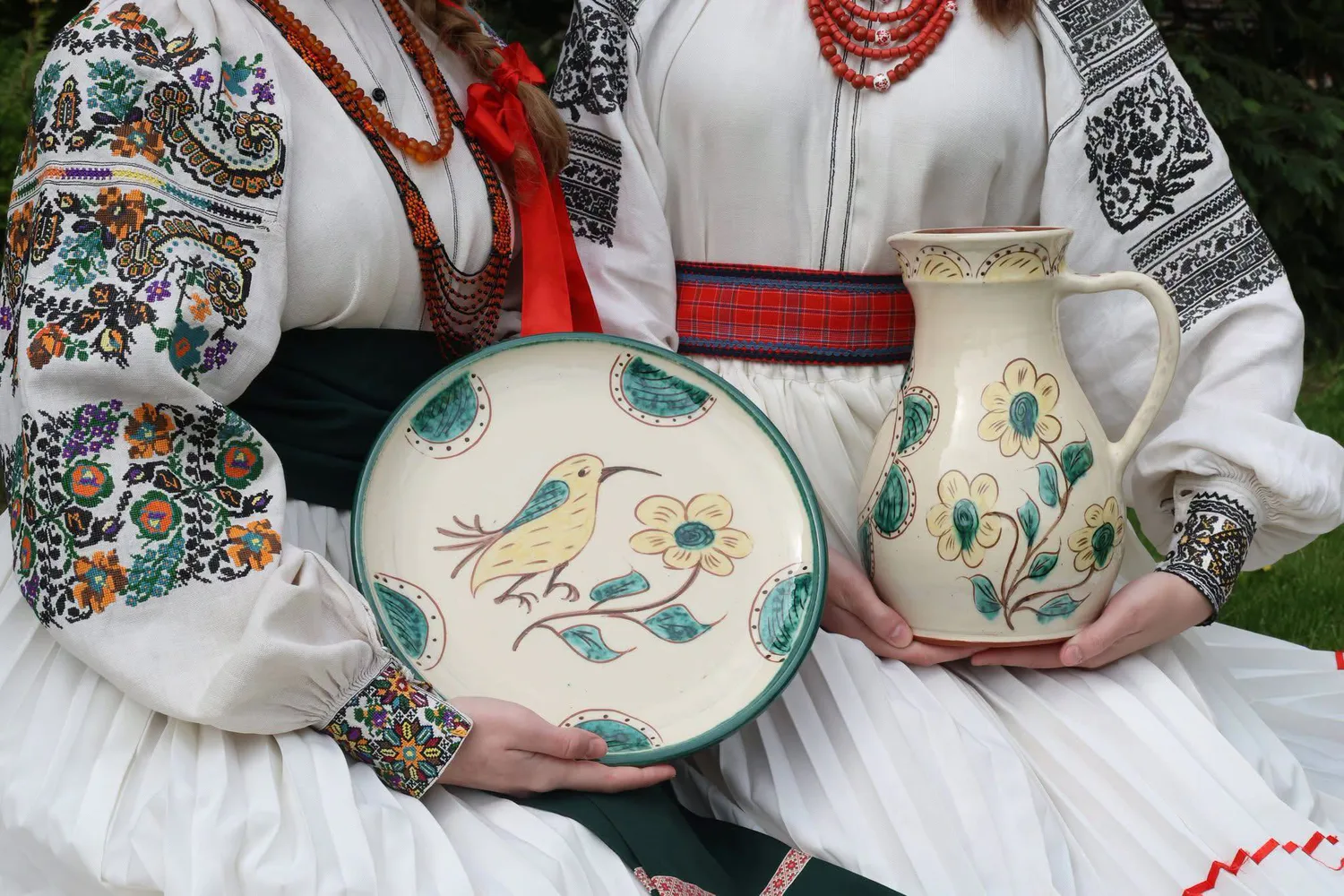
Sokal is one of the oldest pottery towns in Ukraine, with a tradition dating back to the 15th century. A characteristic feature of local ceramics is wide brushstrokes of green, yellow, and brown on a white background, with expressive compositions featuring birds, flowers, and branches. Once, products from Sokal competed successfully with Kosiv wares and were regularly exhibited in Europe.
However, at the beginning of the 20th century, the craft disappeared — craftspeople left, and the chain of knowledge transmission was broken. What exists today under the name "Sokal ceramics" is the result of conscious revival rather than continuous tradition. This is precisely why officials in the cultural department of the Lviv Regional State Administration particularly emphasize: the value of Sokal ceramics lies in the fact that it did not become exclusively a museum artifact, detached from living practice.
"This is an important recognition of a unique artistic tradition that emerged in one of Ukraine's leading and most ancient pottery centers"
— Maksym Kozytskyi, head of Lviv Regional State Administration
Next step — Paris?
Inclusion in the national register is not the finish line but a procedural requirement for further nomination to UNESCO lists. The cultural affairs department of Chervonohrad City Council has already begun preparing documentation for submitting Sokal ceramics to the UNESCO World Heritage list. Kosiv ceramics took several years to progress from regional recognition to the UNESCO list and required a detailed evidence base regarding the living practice of knowledge transmission between generations of craftspeople.
Here a fundamental question arises: Sokal ceramics was revived by enthusiasts after a break in tradition — rather than inherited continuously. Will UNESCO recognize a reconstructed tradition as equivalent to a living one — and does Sokal have enough active practitioners to prove otherwise by the time of nomination submission?