Friday's package of sanctions from the U.S. Department of the Treasury is not a one-time blow, but part of the arithmetic of pressure. Since February 2025, OFAC has imposed restrictions against more than 1,000 Iranian individuals, vessels and aircraft. This week added three more dimensions: a Chinese oil refinery, 40 "shadow fleet" vessels, and a frozen cryptocurrency wallet worth $344 million.
The second-largest "teapot" — and Tehran's most valuable client
Hengli Petrochemical in Dalian is not a minor player. Its processing capacity is approximately 400,000 barrels per day, making it one of China's largest independent refineries. There are dozens of such enterprises in the country — by size they are smaller than state-owned giants, but it is precisely they who purchase Iranian oil, which major companies avoid due to the risk of secondary sanctions.
The U.S. Treasury claims that since at least 2023, Hengli has been receiving Iranian crude oil supplied by Sepehr Energy — the commercial wing of the Iranian Armed Forces General Staff. According to Washington's official data, this represents hundreds of millions of dollars in revenue directly to Iranian military structures.
"China's independent oil refineries continue to play a key role in supporting Iran's oil economy"
— U.S. Department of the Treasury, official OFAC statement
According to data from the United Against Nuclear Iran group, Hengli is just one of dozens of Chinese buyers of Iranian oil. China overall imports 80 to 90% of all Iranian oil exports, with shipments often arriving with falsified origins — declared as Malaysian or Iraqi oil.
A fleet without a flag — and without jurisdiction
The "shadow fleet" is not a metaphor. OFAC separately sanctioned 19 tankers responsible for transporting Iranian crude oil, liquefied petroleum gas, and petrochemicals. Among them is the tanker BENTLEY under the Cook Islands flag (IMO 9220914), which has transported millions of barrels of Iranian fuel oil since the end of 2025.
The evasion mechanics are standard: vessels frequently change their flags of registry, disable AIS transponders and transfer oil at sea — "ship-to-ship" — to conceal the origin of the cargo. Sanctions against specific IMO numbers complicate insurance and port access, but do not completely stop the fleet.
$344 million in Tether: a new front line
The most unexpected element of the package is the freezing of cryptocurrency assets. Tether, the issuer of the USDT stablecoin, blocked two wallets totaling $344 million at the request of OFAC and U.S. law enforcement. American officials claim to have traced transactions through Iranian exchanges and intermediary wallets linked to Iran's Central Bank.
Context is more important than the sum: Iran's cryptocurrency assets reached $7.8 billion by the end of 2025, with approximately half belonging to IRGC structures according to analytics firm Chainalysis. The frozen $344 million is less than 5% of this amount, but the precedent is fundamentally new: Tether has for the first time so openly acted as an instrument of American sanctions policy.
- Tether stated it supported more than 2,300 cases in 65 countries
- Previously, the company froze $4.2 billion in USDT related to criminal activity
- Analysts warn: stablecoins remain a key channel for circumventing sanctions
Why Beijing is silent — and for how long
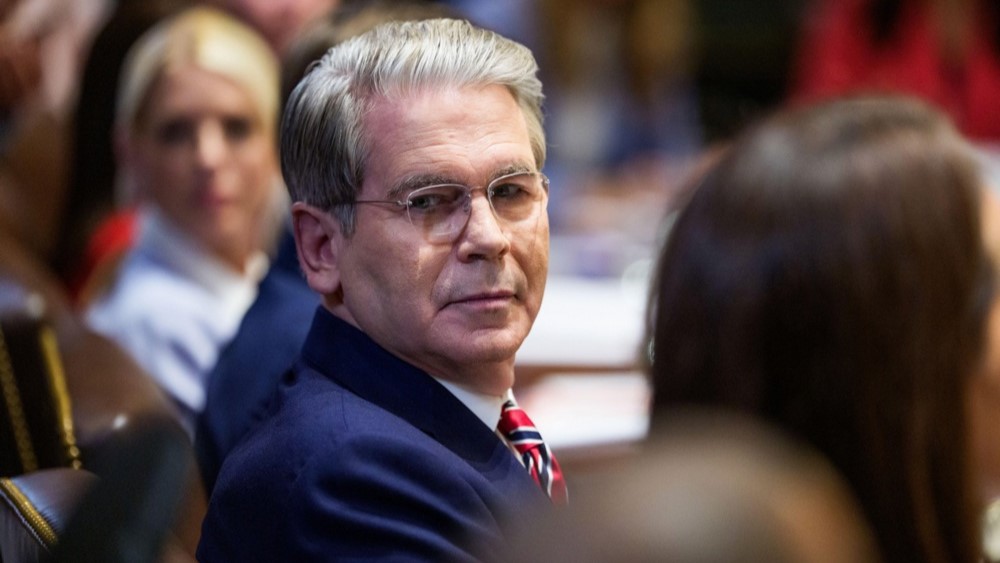
Finance Minister Scott Bessent publicly warned on April 15: "If you buy Iranian oil, if Iranian money sits in your banks — we are ready to apply secondary sanctions." The Chinese side has not yet officially responded to sanctions against Hengli. This is not a new position: Beijing systematically denies American restrictions, but major Chinese banks and companies de facto respect them to avoid losing access to the dollar.
Independent "teapots" are a different category. They are less vulnerable to the dollar system, less frequently have assets in the West, and are more inclined to take risks. The question is not whether Hengli will comply — the question is whether Washington has a real enforcement mechanism against dozens of similar enterprises if Beijing chooses not to pressure them itself.
If the U.S. does not impose sanctions against Chinese banks servicing "teapot" transactions in the coming months, the pressure will remain symbolic: loud, but without changing the money flow to Tehran.





