On May 20, 2026, the British Ministry of Trade issued a general trade license without public announcement: from now on, the UK could import diesel and aviation fuel produced from Russian oil in third countries — in particular in India and Turkey. The license came into effect on the same day and is valid "indefinitely with the possibility of review."
In a separate document, London also temporarily — until January 1, 2027 — relaxed sanctions on maritime transportation of liquefied gas from certain Russian plants.
The scheme is simple: rebranding in India — and off you go
Formally, Britain did not cancel sanctions against Russia. It only delayed the implementation of a ban on products derived from Russian raw materials. The practical effect is different: if Russian oil underwent minimal processing in India or Turkey, it becomes acceptable for the British market again. It is this "money laundering chain" that the shadow fleet has been using for years — and it is precisely what critics call the main loophole in the sanctions regime.
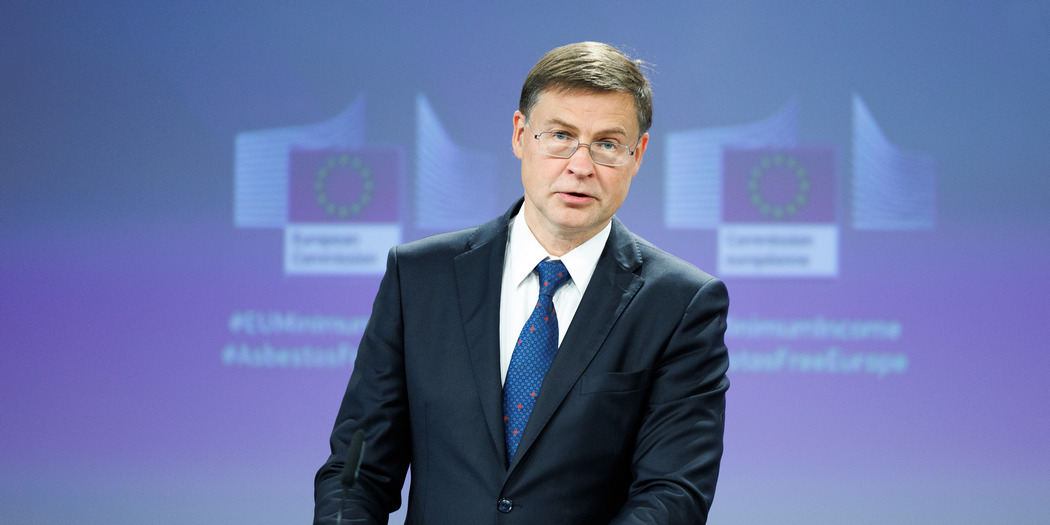
"Now is not the time to relax sanctions against Russia, because Russia is actually profiting from the war in Iran, gaining significant windfall profits through higher energy prices."
Valdis Dombrovskis, EU Commissioner for Economic Affairs, May 21, 2026
Dombrovskis clarified that London's decision came as a surprise to the EU, and promised to discuss it with the British side as soon as possible. Brussels' outrage is heightened by the timeline: just a day before this, G7 finance ministers confirmed in a joint statement their "unwavering commitment" to maintaining strict sanctions against Moscow.
Starmer angered even his own party
Keir Starmer's government pushed through the decision as quietly as possible — without press conferences or parliamentary debates. According to Politico, this provoked criticism not only from the opposition but also within the Labour Party. Conservative leader Kemi Badenoch wrote on X: after 18 months of rhetoric about "opposing Putin," the government quietly opened the doors to Russian oil products.
Trade Minister Chris Bryant admitted that the license was issued "clumsily" and created a "false impression." According to Bloomberg, he promised to "suspend" it — but only when market conditions allow. For now, there is no such window.
The Iran war as a common denominator
London's official explanation is an energy crisis caused by the closure of the Strait of Hormuz amid the American-Israeli-Iranian conflict. In April 2026, Europe's aviation industry warned of the risk of kerosene shortages ahead of the peak tourist season. The US had already twice renewed an exception for Russian oil at sea — Britain essentially repeated this step, but already for processed fuel.
- The license applies to diesel and aviation fuel produced from Russian raw materials in any third country.
- A separate exception — maritime LNG from specific Russian enterprises, valid until the end of 2026.
- Companies are required to keep records, but the document does not provide for an external control mechanism.
- As of April 2026, London has not confiscated any shadow fleet vessel — due to "interdepartmental disputes."
Vladyslav Vlasiuk, Ukraine's head of sanctions policy, made no secret of his disagreement: according to him, pressure on Russia should only increase, and market stability should be ensured by eliminating root causes — that is, resolving the situation around the Strait of Hormuz, not by buying more Russian oil.
If the Strait of Hormuz remains closed until autumn, the question is not whether other EU countries will make similar concessions — but whether Brussels will retain the tools to refuse them.





