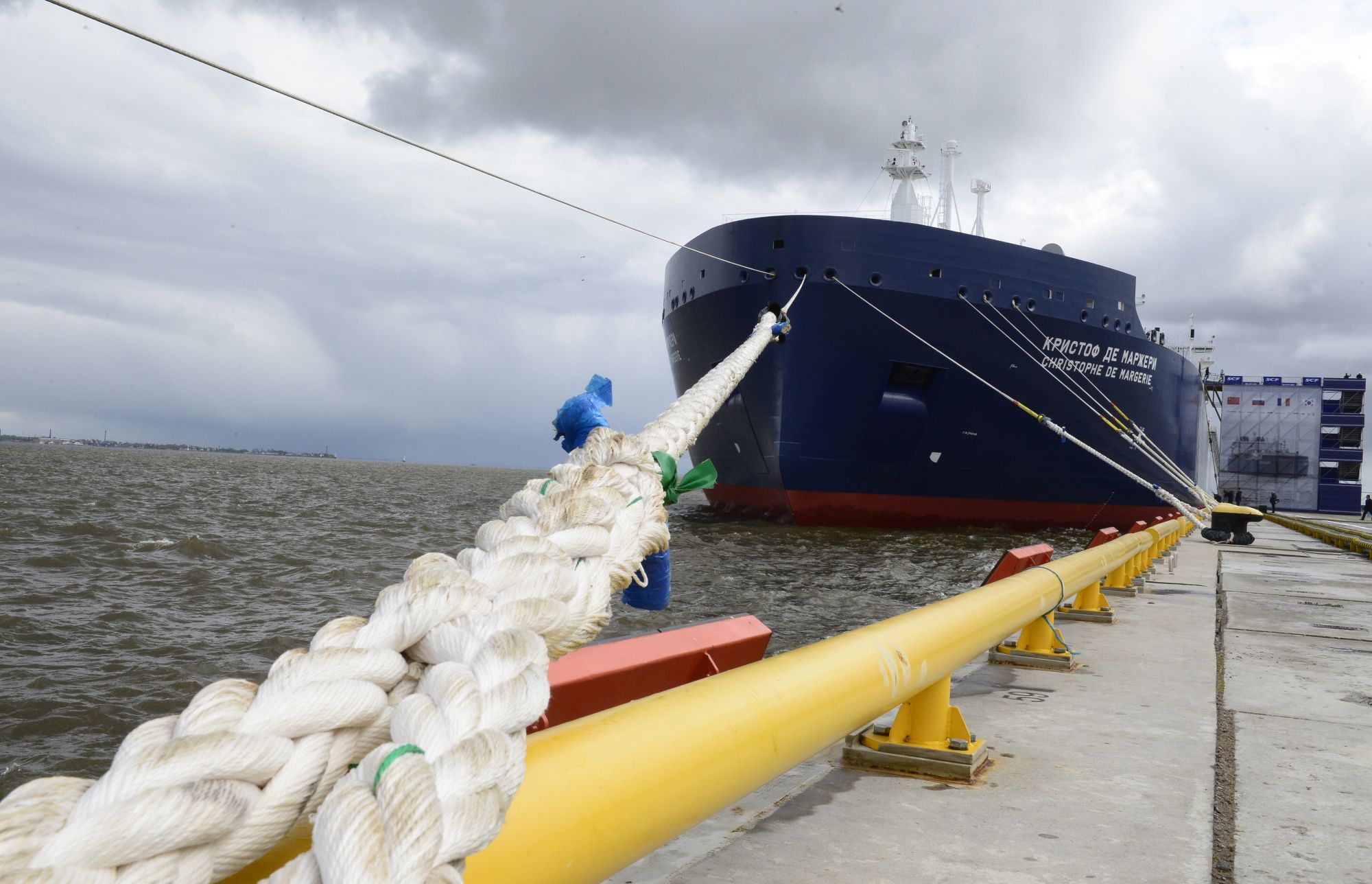
The 277-meter tanker Arctic Metagaz, built in 2003, is drifting north of the Libyan city of Benghazi after a tow line broke during a storm on April 22. This is not the first break: according to The Maritime Executive, the line snapped several times over the previous weekend, but tugboats managed to re-attach the vessel each time. This time — they did not.
What is on board and why this is more than just an accident
According to Libya's Port and Maritime Transport Authority, the tanker is carrying 60,000 tons of liquefied natural gas (cooled to −160 °C), coolant, and hundreds of tons of heavy fuel oil and diesel. Two of the four gas tanks are considered intact — but the exact volume of remaining cargo is unknown. On March 17, a week before the first towing attempt, Italian authorities warned: the vessel "could explode in the Mediterranean Sea at any moment." Libyan ports ordered all ships to maintain a distance of no less than 10 nautical miles.
An additional risk is proximity to oil fields. During the previous drift, the tanker came within less than 10 miles of the Bouri and Al-Jurf platforms; tugboats were then put on standby.
Where did this ship come from
Arctic Metagaz is part of Russia's "shadow fleet." The vessel, previously known as Berge Everett and registered in Singapore, fell under U.S. sanctions for transporting liquefied gas from the Arctic LNG-2 project, which finances Russian military spending. The route before the accident: loading from the Saam FSU floating storage facility near Murmansk on February 18 — then around Britain and Spain — course set for Egypt's Port Said.
"According to Starboard Maritime Intelligence, on the evening of March 2, Arctic Metagaz switched off its automatic identification system (AIS) after leaving Malta's exclusive economic zone. This is a direct violation of international maritime law."
UNITED24 Media, citing Ukrainian military intelligence
On the night of March 3-4, explosions and fire broke out on board. All 30 crew members — Russian citizens — managed to leave the vessel and were rescued. Moscow blamed Kyiv for an attack with Magura V5 naval drones launched from the Libyan coast near Mellati. According to RFI's investigation, the strike hit the engine room. Ukraine did not officially comment on the incident.
A legal loophole in the middle of the sea
Russia has taken a simple public position: once the crew abandoned the vessel, responsibility transfers to the country in whose waters it ends up. Libya, Malta, and Italy took turns monitoring the tanker in their search and rescue zones — and took turns refraining from direct intervention. The EU allocated resources to monitor the vessel's position, but not for a rescue operation.
- The president of Libya's Port Authority appealed to the IMO and the EU for help, emphasizing: this is "not just a Libyan problem."
- Khalifa Haftar's forces sent a patrol vessel and divers to the tanker — for observation, not for towing.
- Libya's National Oil Corporation had previously engaged a salvage company through the Mellitah Oil & Gas structure in partnership with Italian Eni — but the operation was unsuccessful.
According to the Clean Arctic Alliance, WWF had warned in March about the threat to one of the most biodiverse corners of the Mediterranean. Meanwhile, the IMO was preparing to discuss responsibility for marine fuel spills at its April sessions — and Arctic Metagaz became an involuntary argument in that discussion.
What's next
The tanker is drifting. The tow line is broken. The tugboat cannot approach due to technical problems. On board — unstable cargo with the potential for an explosion or a major spill.
The question this situation raises sharply: if neither the IMO, nor the EU, nor any of the coastal states takes formal responsibility for towing before the wind direction changes — who will pay for the cleanup when the vessel runs aground or breaks apart?





