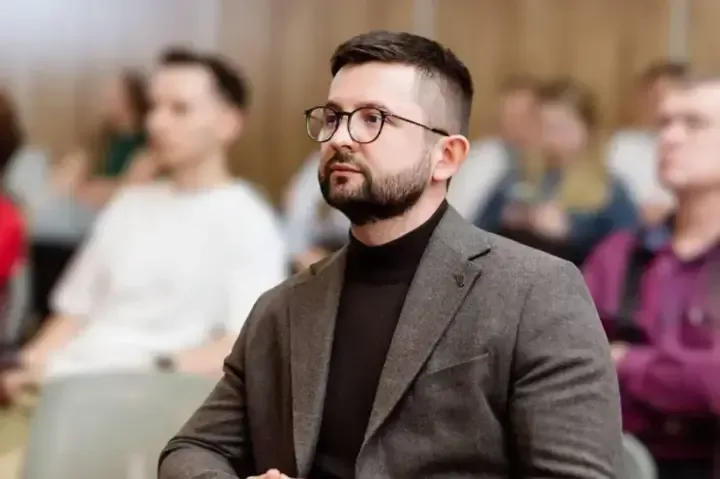
Between May and October 2024, Odesa businessman and founder of Kadorr Group Adnan Kivan received treatment at the private clinic Odrex. On October 28, he died. According to the conclusion of a commission forensic medical examination, the death was conditionally preventable.
What, according to the investigation, went wrong
After surgery, Odrex surgeon Vitaly Rusakov and oncologist Marina Belotserkhovska, according to the case materials, failed to prescribe the patient necessary antibacterial therapy and did not respond appropriately to signs of complications. Kivan developed sepsis, which against the backdrop of the oncological process led to death. The investigation established a direct causal link between the doctors' inaction and the patient's death.
In addition to the absence of antibiotic therapy, according to RBC-Ukraine, the doctors performed a series of procedures that were contraindicated for the patient at that time.
Both medical professionals have been notified of suspicion under Part 1 of Article 140 of the Criminal Code of Ukraine — improper performance of professional duties by a medical worker that led to serious consequences. The case is being considered by the Prymorskyy District Court of Odesa under the chairmanship of Judge Larisa Pereverzeva.
Procedural marathon instead of medical expertise
The key moment of the case — examination of medical evidence and hearing of an independent oncology expert — has yet to take place. Each time the court was to move to this stage, Rusakov's defense filed a new motion.
At a hearing on May 5, 2025, the lawyer of the accused surgeon filed a motion to transfer the case to another court — arguing that one of the representatives of the injured party worked in the Prymorskyy District Court in 2016–2020. Later, the defense filed a recusal of Judge Pereverzeva. At another hearing, Rusakov's new lawyer again filed a recusal against the same judge.
"The accusation is fabricated and is based on false court expertise"
— Vitaly Rusakov on social media
In parallel, Rusakov runs a video blog where he publicly comments on the medical details of the deceased patient's treatment. Lawyers for the injured party consider this a possible violation of medical confidentiality and constitutional privacy rights.
"Medical apocalypse" as defensive rhetoric
In recent months, Rusakov added a new argument to his public communication: a conviction against him would allegedly provoke a collapse of Ukraine's entire medical sector. The logic is—if a doctor is convicted for the death of a patient with terminal oncology, any medical professional could be put under investigation.
This argument is not entirely unfounded in medical discussion—experts do point to the difficulty of distinguishing professional negligence from an objectively inevitable fatal outcome in severe oncology. However, in this specific criminal proceeding, it is irrelevant: the investigation claims to have documented specific protocol violations with specific consequences, rather than a general discussion about the limits of medical liability.
Why deadlines matter more than rhetoric
Part 1 of Article 140 of the Criminal Code of Ukraine is a non-serious crime. The statute of limitations for it is three years. Rusakov was notified of suspicion in autumn 2024; if the court fails to issue a judgment that enters into force before this deadline expires—the proceeding may be closed regardless of the content of the evidence and expert conclusions.
This means that every postponed hearing, every judge recusal, every motion to change jurisdiction—is not merely procedural noise, but a real reduction in the time window during which a verdict is possible. The Office of the Prosecutor General has already appealed to the Ministry of Health demanding an inspection of the Odrex clinic and consideration of revoking its license.
If the court does not implement a strict schedule of hearings and does not stop the practice of accepting unfounded procedural motions—the Kivan family may never receive a legal answer to the main question: whether the doctors' inaction caused the death of the businessman, or not.







