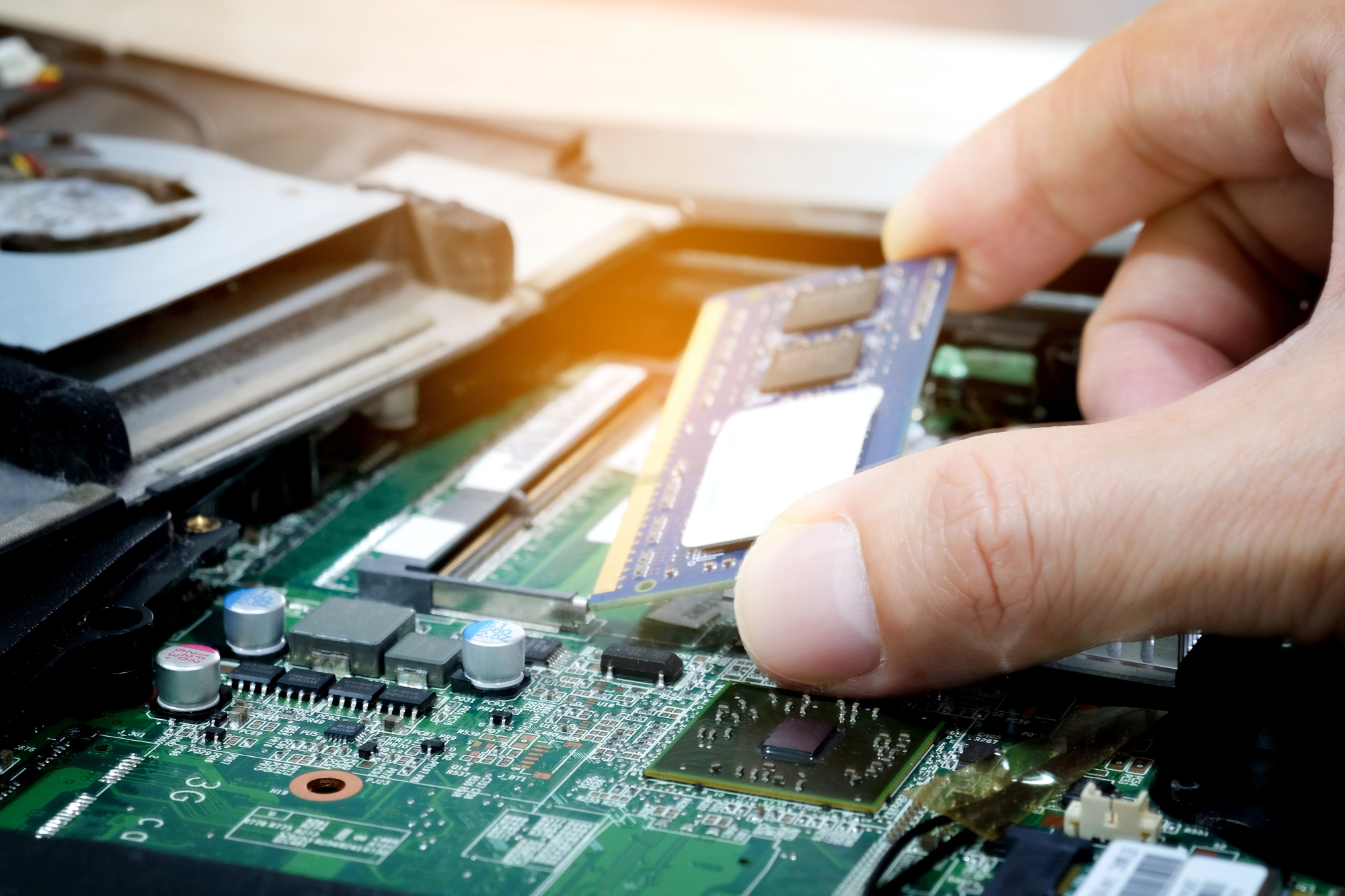
A set of RAM for a desktop PC, which cost $80–100 just in 2024, is now selling on Amazon for $599. It is precisely from this component — not from statistics, but from a price list — that the class action lawsuit Garciaguirre v. Samsung Electronics, filed on June 25 to the Federal Court of the Northern District of California, begins.
What the lawsuit claims
17 plaintiffs accuse Samsung, SK Hynix, and Micron of having coordinated the limitation of production of standard DDR4, DDR5, and LPDDR chips — those used in ordinary phones, laptops, and servers — since October 2022, raising prices by approximately 700% over four years.
The mechanism described in the lawsuit is more specific than a simple "conspiracy": the plaintiffs point to October 2022, when one of the three manufacturers announced production cuts at a moment when prices were already falling — a step that would harm a company acting independently, but pays off if all cut production together. A separate argument is Micron's decision: in December 2025, the company closed Crucial — its direct consumer brand — at what the lawsuit qualifies as "the most profitable point in the brand's history."
"Respondents would likely make the same public statements even in the absence of a conspiracy"
— from a previous ruling in a similar case by the 9th Circuit Court of Appeals, cited in the lawsuit
Three companies — 90% of the market
The lawsuit was filed as Garciaguirre v. Samsung Electronics and assigned to Judge Noel Wise. It cites Section 1 of the Sherman Act and concerns companies that together control approximately 90% of the global DRAM market.
The lawsuit's main theory: the industry's transition to High Bandwidth Memory (HBM) — specialized chips for AI accelerators — was used as cover for a simultaneous exit from production of older DDR3 and DDR4 formats, artificially reducing the supply of ordinary memory and keeping prices high.
The consequences extend beyond the computer market: Apple has already raised prices on several Mac, iPad, and other device models, citing the inability to absorb rising memory and storage costs. Trade associations warn that the shortage will affect automakers and medical equipment manufacturers.
Why this is hard to prove — and why the plaintiffs still have a chance
Antitrust law does not prohibit companies from making similar decisions based on identical market considerations. The plaintiffs must provide evidence of an actual agreement, rather than simply proving that all three reduced DDR3/DDR4 production and that prices rose — this is the legal hurdle the lawsuit still must clear.
However, the case has an unusual advantage — a repeat offense. Samsung and SK Hynix have already admitted guilt in a criminal conspiracy to manipulate DRAM prices: SK Hynix paid a fine of $185 million in April 2005.
The respondents have not yet officially responded in court. The exception is Micron, which denied the charges and stated it would defend itself. All three manufacturers publicly claim they acted independently, redirecting capacity to HBM.
Scope of potential liability
DRAM is present in virtually every electronic device, so the class of indirect purchasers is essentially equivalent to the entire consumer market. The state antitrust laws cited in the lawsuit provide for treble damages. Jefferies Bank predicts DRAM prices will rise another 40–50% in the third quarter and another 30–40% in the fourth.
If the plaintiffs succeed in obtaining the companies' internal communications during discovery — and evidence of coordination is found rather than merely parallel business decisions — the case could become the largest antitrust case in the consumer electronics sector since the early 2000s. If not, the court will likely dismiss it before trial on the merits: this is how a similar case in 2022 in the 9th Circuit ended.







