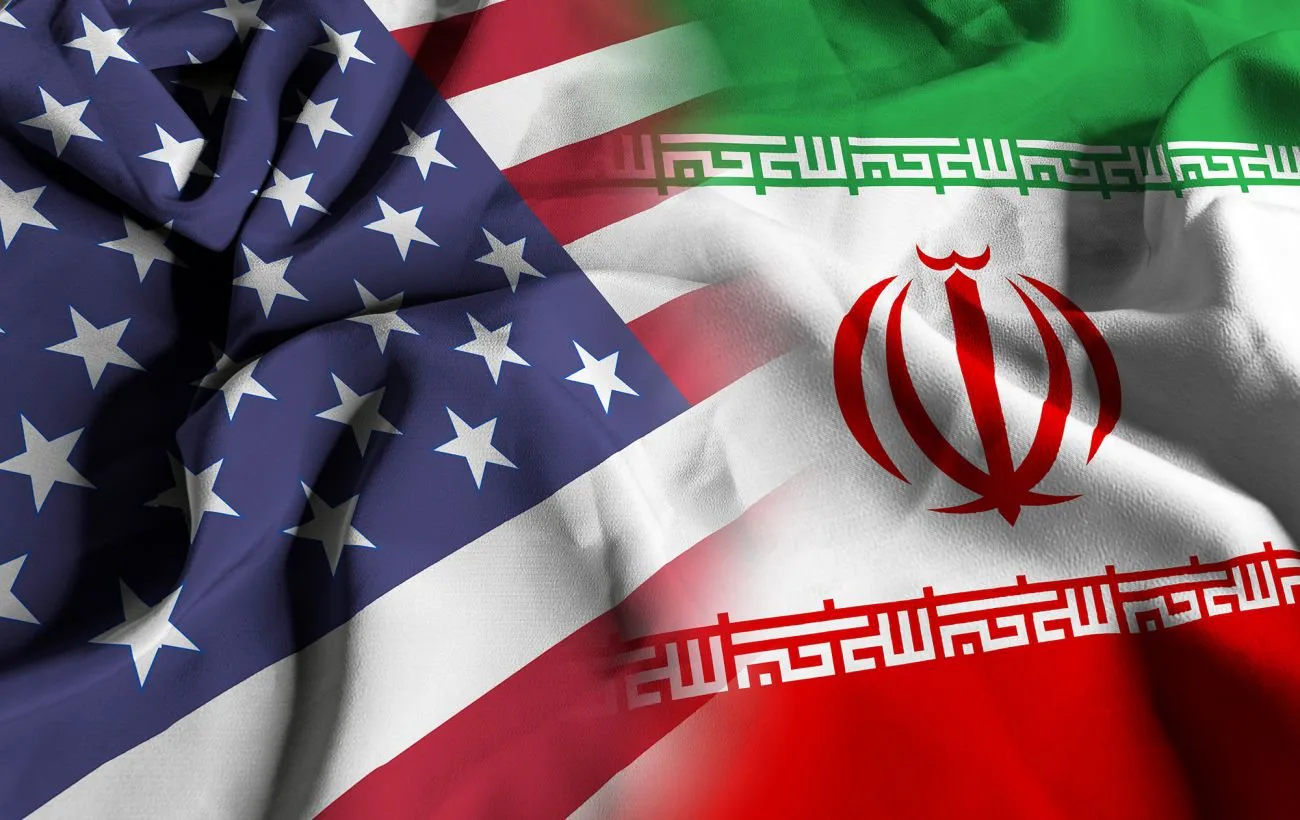
When on June 12 an American official confirmed to Reuters that the parties had agreed on the text of the "Memorandum of Understanding," and Iran's Foreign Minister Abbas Araghchi stated that Tehran was leaving the conflict "stronger," both phrases sounded simultaneously. This is no coincidence: the document fixes a pause, not a settlement.
What's Inside the Document
According to Axios and Reuters, the memorandum provides for a 60-day extension of the ceasefire regime, immediate opening of the Strait of Hormuz for commercial shipping, and easing of American sanctions on Iranian oil exports. In return, Iran commits to not scaling up uranium enrichment and not expanding nuclear facilities until a final agreement is signed.
Hours after the announcement of the "text," American military forces shot down several Iranian attack drones over the Strait of Hormuz. The document contains no verification mechanism.
The Iranian Factor in the War Against Ukraine
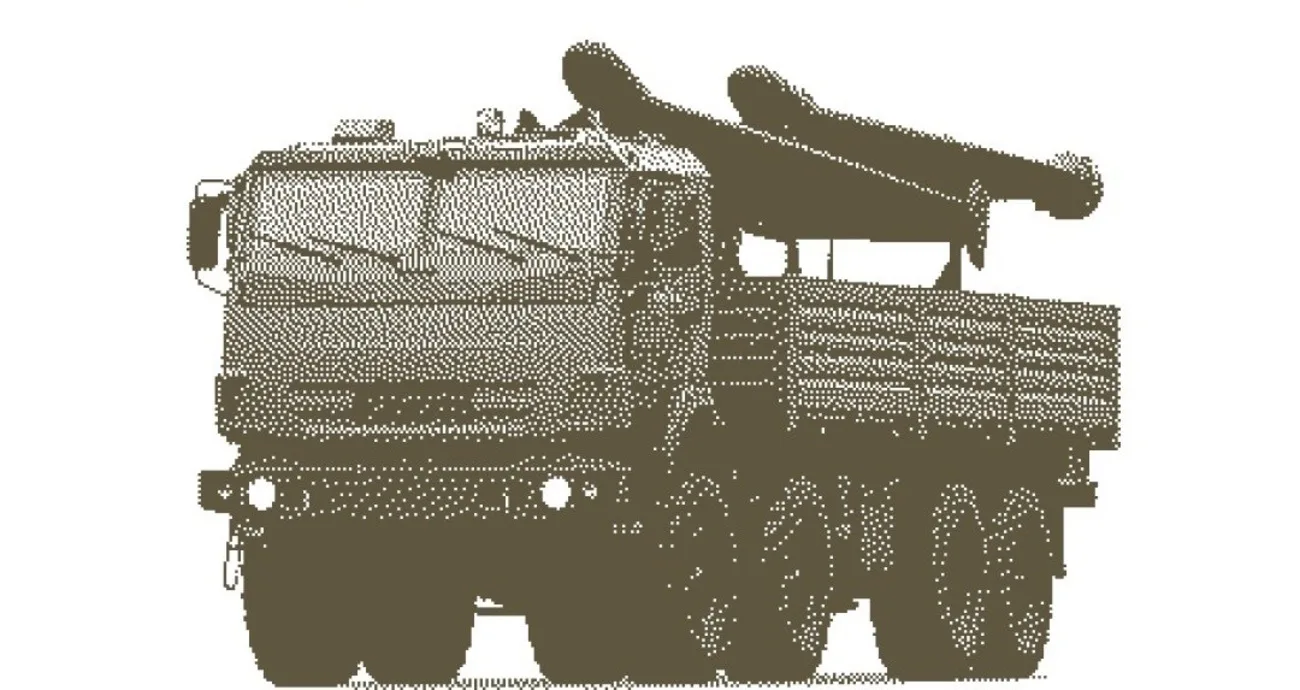
To understand why an agreement between Washington and Tehran concerns Kyiv at all, one fact suffices: it was Iran that transferred to Russia the technology for producing "Shaheds" and shared manufacturing expertise after 2022. According to the GUR, direct drone deliveries from Iran have already stopped — Russia produces them independently, receiving only components from Tehran.
"Only components come from Iran. Shahed has long been produced in the RF"
— Kyrylo Budanov, head of GUR, July 2, 2025
The agreement contains no provision for stopping Iranian supplies of components to Russia. That is, even if it is implemented, the Shahed conveyor in Russia will not stop.
Two Scenarios for Ukraine
International expert Stanislav Zhelikhovsky identified both sides of the coin in a comment to UNN. Positive scenario: de-escalation in the Middle East is capable of freeing up diplomatic and financial resources in Washington and Brussels that have been tied up by the Iranian issue. NV analysts add: a successful agreement will allow Europe to redistribute support in favor of Ukraine if the Iranian issue ceases to dominate the agenda.
Risky scenario: the Trump administration, having achieved a "victory" in the Middle East, may increase pressure on Kyiv with a demand to demonstrate its own "flexibility" — that is, agree to negotiations with Moscow on terms that do not correspond to Ukrainian interests.
Oil, Prices, and War Financing
There is another dimension, less obvious. Easing sanctions on Iranian oil exports inevitably pushes global oil prices downward. This directly hits Russia's revenues from hydrocarbons — the main source of financing for its army. But the same effect is reinforced by OPEC+, which includes Moscow: the cartel is able to cut production and correct quotations. That is, economic pressure on Russia may prove short-term.
- Strait of Hormuz — over 20% of global oil supply: opening will reduce Western energy anxiety
- Iranian assets — the US will unfreeze billions of dollars: some may go to restore the Iranian defense industry
- Components for "Shaheds" — the agreement does not touch them, the supply chain through China remains
- Pressure on Kyiv — the precedent of "Trump diplomacy" may be used as an argument: "see, you can make deals"
It is telling that parallel to Iranian negotiations, NBC News reports progress in American-Ukrainian agreements in the field of drone technology — Kyiv has effectively monetized its experience of shooting down "Shaheds" by sending its pilots and interceptors to the Middle East. This gives Ukraine leverage, but not insurance.
If the memorandum remains a document without a verification mechanism and in 60 days does not develop into a full agreement on the nuclear issue — Tehran will have both lifted sanctions pressure and preserved nuclear potential. In that case, the question is not whether the agreement will affect Ukraine, but whether it will become a precedent for "freezing without reckoning" — a model that Moscow is already proposing for itself?