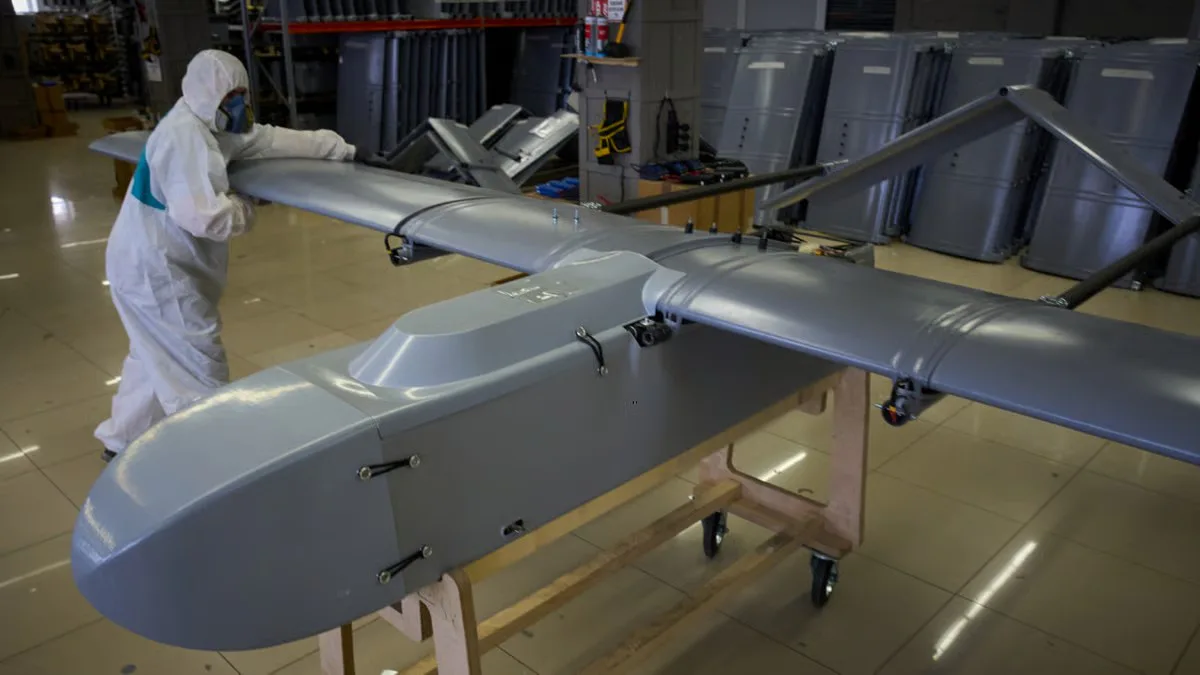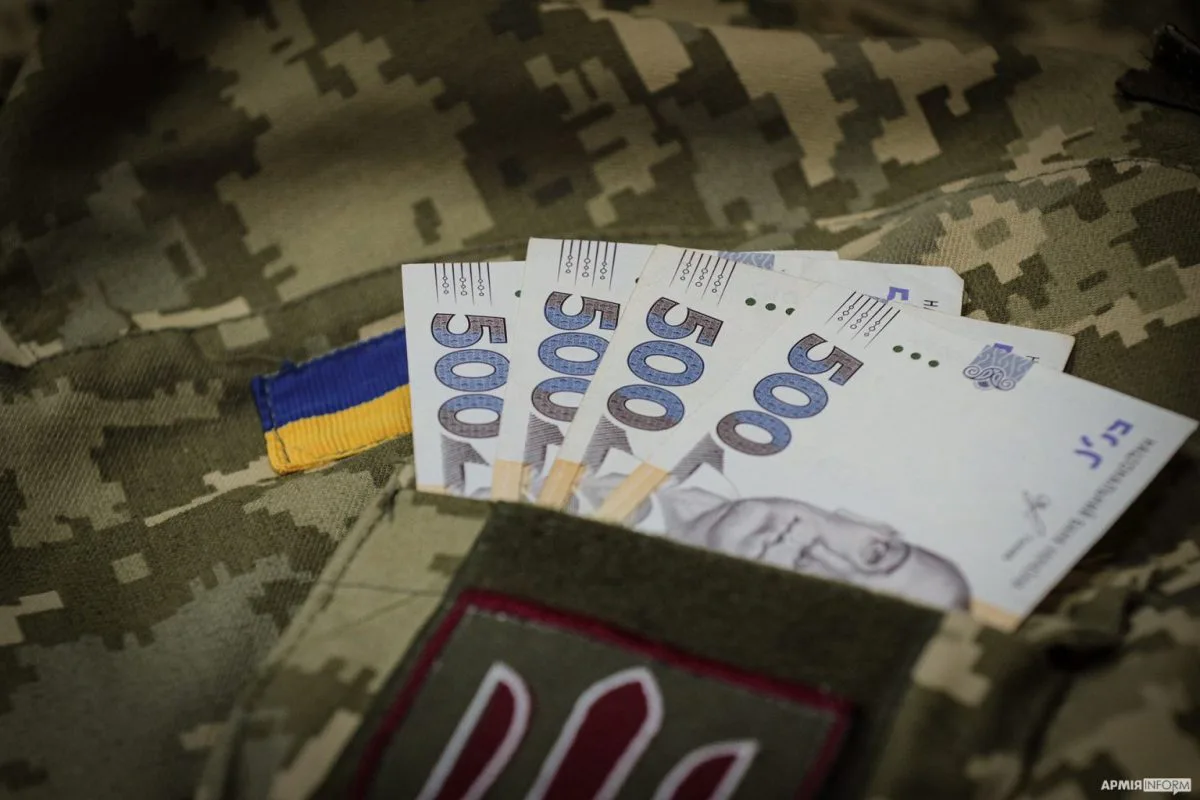
The Verkhovna Rada Budget Committee recommended adopting in second reading amendments to the 2026 state budget that increase spending in the security and defense sector by 1.561 trillion hrn. After this, the total defense resource will reach 4.37 trillion hrn. The decision became possible after the Rada ratified a credit agreement with the EU for €90 billion — one of the largest external financing packages throughout the war.
Where the money comes from and how much there really is
The main source of additional revenue is EU financial support — 2.22 trillion hrn. Another 47.7 billion hrn will come under the Ukraine Facility program, 22.6 billion hrn — from increased personal income tax revenues due to higher military pay. In total, budget revenues will grow by 2.29 trillion hrn — to 5.195 trillion hrn.
Of the 45 billion euros to be received this year, 28.3 billion euros are intended directly for defense — primarily weapons procurement. Another 16.7 billion euros will go as budget support, of which 3.5 billion euros will be spent on military personnel payments. According to Reuters estimates, after the amendments are adopted, Ukraine's total defense spending in 2026 could reach a record $100 billion — compared to $61.4 billion in 2025.
Where the money will go: weapons — yes, salaries — almost no
The distribution of additional defense spending looks as follows:
- 1.371 trillion hrn — procurement of weapons and military equipment
- 174.3 billion hrn — monetary allowances for military personnel
- 14.6 billion hrn — reserve for the security and defense sector
This distribution became the main point of criticism. MP Yaroslav Zheleznyak, who submitted an alternative bill, stated: the budget "allocates 0 hryvnias for raising military salaries." The Accounting Chamber calculated that merely maintaining payments at last year's level would require 365 billion hrn — significantly more than allocated.
"Maintaining defense spending on military compensation in the 2026 budget at the 2025 level is a gross mistake. First, from the perspective of social justice, and second, from the perspective of mobilization prospects, especially for rear positions."
economist Yuri Haidai
According to Haidai's calculations, increasing payments to all military personnel by 20,000 hrn per month would cost the state 200 billion hrn per year — less than 15% of new defense spending. A partial answer to this is laid out in the budget with a deferral: from July 1, 2026, the military levy will be credited to a special fund and directed to military payments.
The EU credit — not forever
The €90 billion package was initially calculated as sufficient until the end of 2027, but according to diplomats, assessments have already been revised: the deficit has grown to €19 billion due to the prolongation of the war and new security risks. Julia Markuth, vice president of KSE Institute for macroeconomics and public finance, estimates that the defense budget will require an additional review of up to 10 billion euros — depending on the situation at the front.
The credit is interest-free, but remains a debt — Ukraine will repay it starting in 2036. This means that the record defense spending of 2026 already today creates a fiscal burden on the post-war economy.
If there is no real increase in military compensation by July 2026, and the financing deficit continues to grow — will the next EU tranche again go predominantly to equipment, bypassing the people who operate it?