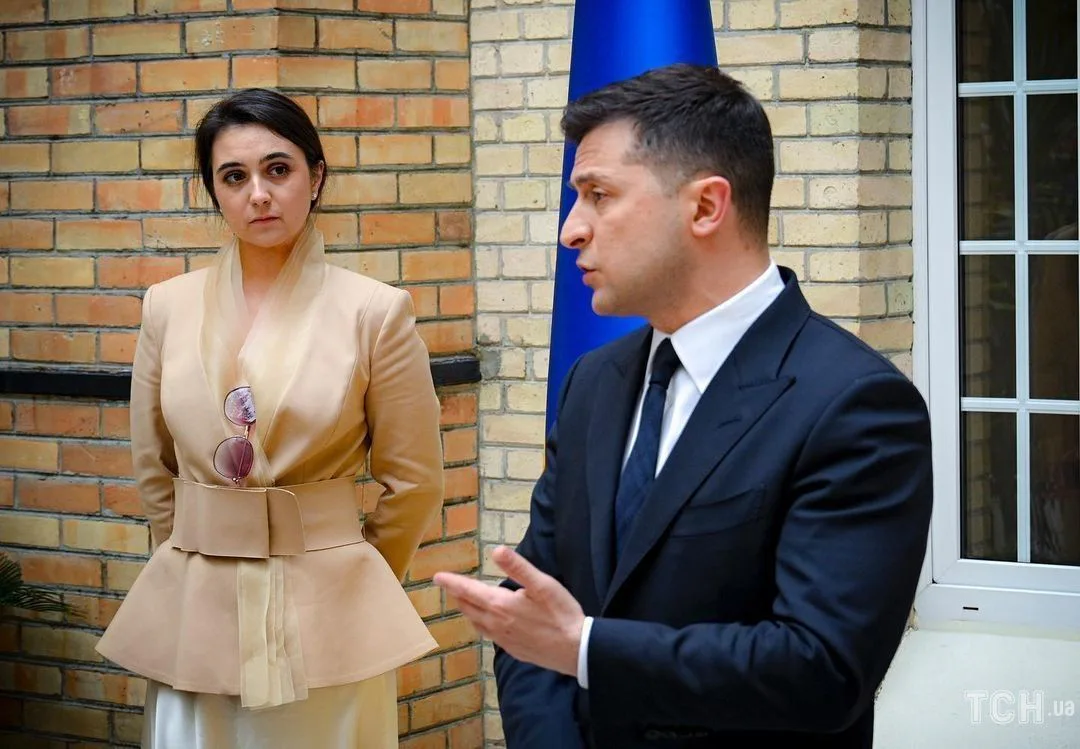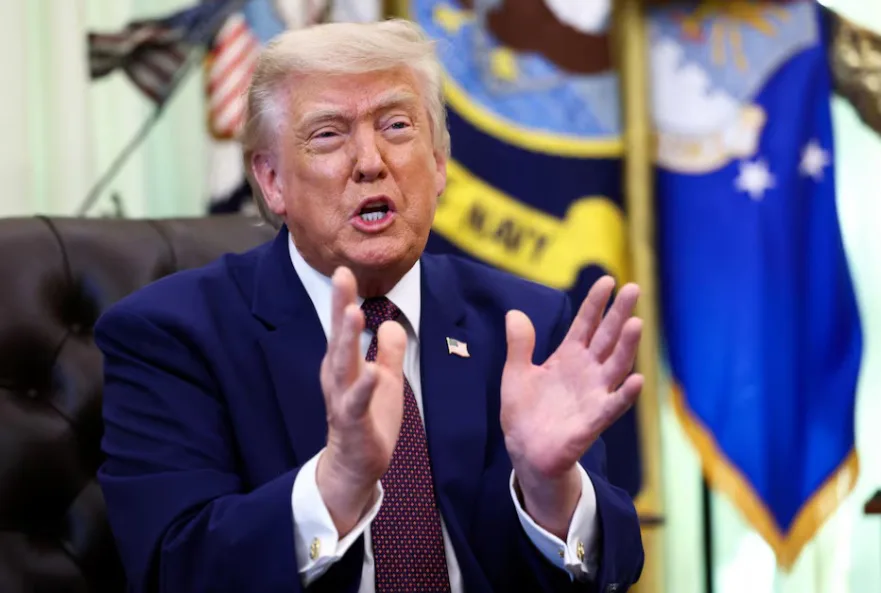
On December 28, 2025, at the Mar-a-Lago resort in Florida, a meeting took place that both sides called a "significant step forward." Trump had spoken with Putin for hours the day before — and immediately after that received Zelensky. According to Trump himself, both leaders are "open" to peace. However, the details paint a more complex picture.
What has been agreed — and what hasn't
Zelensky publicly summarized the negotiation process that had been ongoing for several weeks in Geneva, Miami, Berlin, and Mar-a-Lago. According to him, 90% of the twenty-point peace plan has already been agreed upon. The US and Ukraine agreed on security guarantees at 100%, the military dimension — also at 100%, trilateral guarantees US–Europe–Ukraine — "almost."
"We have significant achievements: a 20-point peace plan — 90% agreed, US-Ukraine security guarantees — 100% agreed. The military dimension — 100% agreed."
— Zelensky after the Mar-a-Lago meeting, December 28, 2025
But the remaining 10% — that's territory. And that's precisely where negotiations have essentially stalled.
Why Putin's "openness" isn't what it seems
Trump confirmed: Putin refuses a ceasefire even as a temporary format for holding a referendum. The Kremlin's logic — stop fighting, and then start again if conditions are unfavorable — is an unacceptable risk. In other words, Moscow is ready for peace, but only the kind where the front line is legally enshrined.
The Kremlin already rejected Berlin's Christmas ceasefire proposal in December: spokesman Peskov explained that Russia wants "peace," but not a pause that would allow Ukraine to regroup. At the same time, according to Axios, the American side was discussing a 60-day ceasefire for a referendum with Moscow — Russia allegedly agreed, but insists on a shorter timeframe.
Ukraine's position remains unchanged: Zelensky clearly stated it at the press conference — "we respect the territory that we control," and the Russians have "a completely different position" on this matter. Trump confirmed that this is a "very difficult issue."
Who needs this optimistic rhetoric now and why
Trump is closing out the year with a concrete image-based result: he is the only one who talks with both Kyiv and Moscow. The statement "we will focus on this" — is not an announcement of a breakthrough, it is positioning: mediator, not ally.
Zelensky, for his part, is interested in showing progress — both domestic and international. The figure "90% agreed" sounds like success even when the remaining 10% blocks everything else.
- Territory: Russia is de facto demanding legal consolidation of occupied lands — including those Donbas districts that it does not yet control.
- Ceasefire: Putin refuses any pause without guarantees that Ukraine won't use it to rearm.
- Security guarantees: The US and Ukraine agreed on them between themselves, but Russia does not participate in this format — and this is a structural problem of the entire agreement.
Trump promises to call Putin again. Negotiating teams continue to meet. But if Moscow really insists on transferring control of all of Donbas as a condition for any document — then the question is not whether there will be an agreement, but whether the US is ready to pressure Putin the same way they pressured Zelensky.