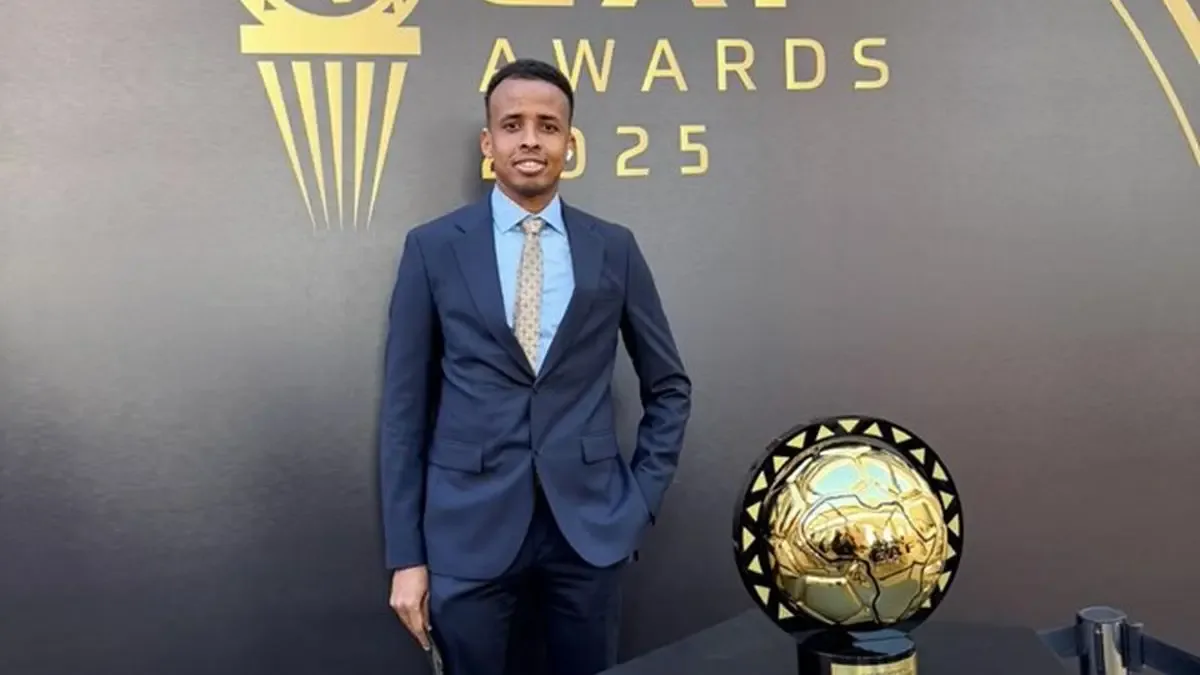
On June 6, Omar Artan flew to Miami from Istanbul. In his pocket — FIFA accreditation, a US entry permit, twenty years of career. Eleven hours later, he was put on a return flight.
"The right documents" didn't work
Artan is not just one of 36 referees at the tournament. He is the first Somali in history selected for the World Cup. In January 2024, he became the first compatriot to referee an Africa Cup of Nations match — Tunisia versus Namibia. Born in 1992 in Mogadishu, he became a FIFA referee in 2018, when Somali football was just emerging from a decade of armed conflict.
The US Customs and Border Protection Service (CBP) confirmed the refusal, but without any specifics: "it was determined that entry was impossible due to data verification issues". Later, the Trump administration told CBS News that the reason was "compromising information" that included "links" with suspected terrorist groups — without details and without evidence provided to the referee himself.
"I am very, very disappointed. I am just a referee trying to fulfill my dream — the greatest dream of my life. I had the right documents. I had the right visa".
— Omar Artan, in an interview with the New York Times
Travel ban and "exception" for sports
Somalia is on a list of 39 countries to which Donald Trump extended entry restrictions back in June 2025, calling it a "haven for terrorists". For World Cup 2026 participants, a formal exception exists — but, as Artan's case showed, it is not a guarantee. Iranian players had publicly spoken about "tension" with American visas shortly before the tournament due to a similar problem.
FIFA responded cautiously: the organization confirmed that Artan "will not be able to referee matches at the 2026 World Cup", and reminded that the decision on admission to the host country's territory is exclusively the prerogative of that country. FIFA's Referees Committee Chair Pierluigi Collina had already warned all selected referees in advance about the need to arrive at the preparatory camp in the USA — without it, participation in the tournament is impossible.
"It was fate"
Returning to Mogadishu, Artan addressed journalists — and did not accuse anyone. His words about "fate" and his call to Somali youth to "not lose hope" were interpreted differently: some as dignity under pressure, others as forced caution from a man who still plans a refereeing career and does not want unnecessary conflicts with the host country.
"What happened, happened, and it was fate. I am grateful to FIFA for their support. Somalia belongs to us, for better or worse".
— Omar Artan, upon arrival in Mogadishu, Reuters
The real question that Artan's case raises for FIFA: if the host country can block an accredited official without explanation and without an appeals mechanism — what does "exception" for athletes mean in future tournaments held in the USA?