In the first quarter of 2026, Europe imported 5 million tons of liquefied gas from the Russian "Yamal LNG" project — 17% more than in the first quarter of 2025. According to data from analytical company Kpler, published by environmental organization Urgewald, the bill for the EU amounted to approximately €2.88 billion ($3.33 billion) for three months.
Why now — and why so much
Two factors converged simultaneously. First, Iran's closure of the Strait of Hormuz disrupted global LNG tanker routes: maritime traffic in the strait fell by 70%, and freight rates for gas carriers reached record levels. Second, "Yamal LNG" is physically tied to Europe: 97% of its exports go to European terminals.
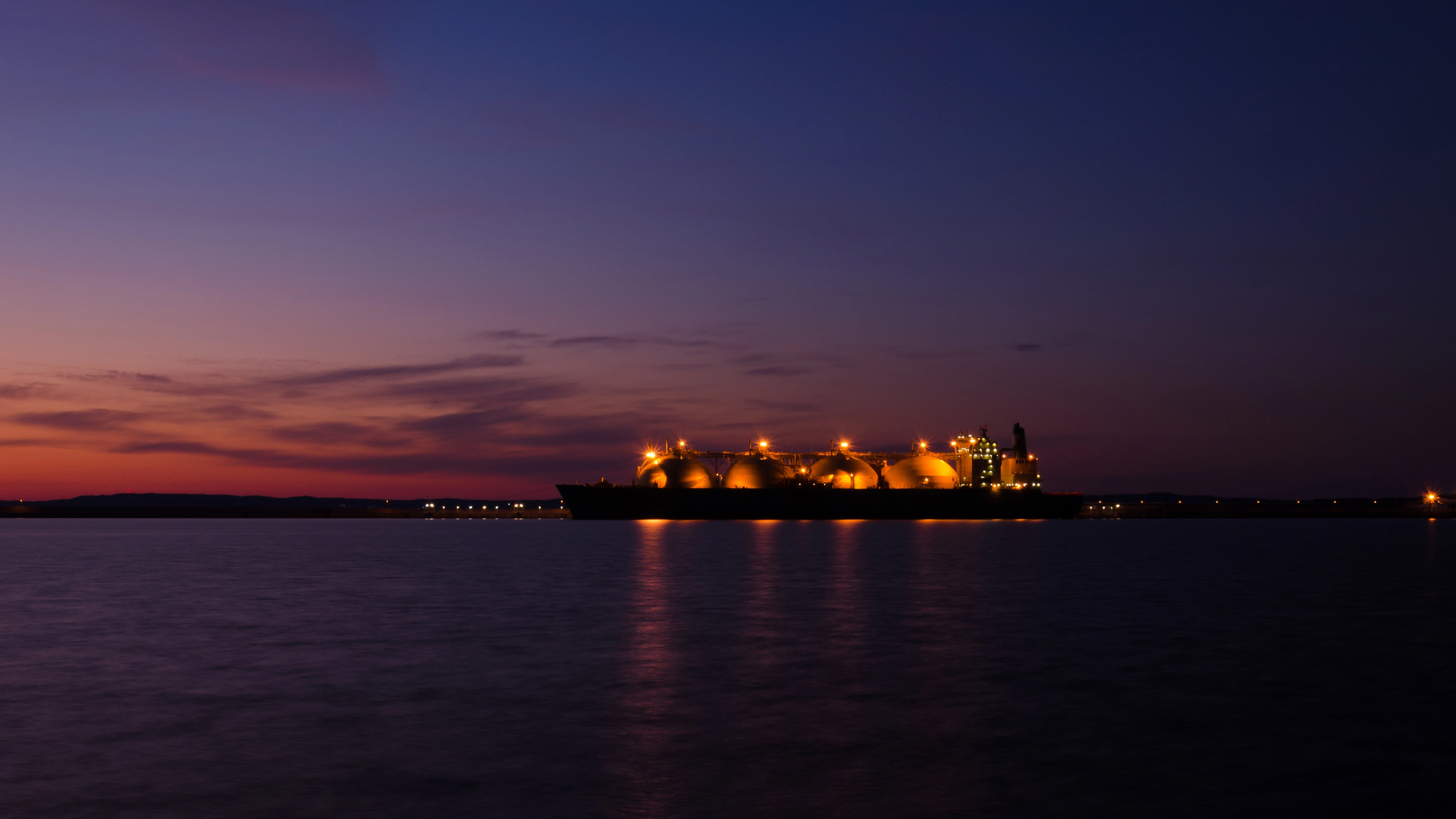
The reason is structural, not political. For winter Arctic voyages, Yamal uses a fleet of 14 specialized icebreaking Arc7 tankers. They can only be unloaded at a few ports capable of receiving them. Regular LNG gas carriers (non-Arc7) can enter the Ob Bay only in summer — from June to November. In other words, in winter there is no alternative: either Europe or idle.
"The EU holds the greatest leverage over Yamal LNG — a strategic advantage it has yet to use".
Sebastian Rötters, researcher and campaigner at Urgewald
According to Urgewald, in 2025 the EU spent a total of €7.2 billion on gas from Yamal. The largest buyer is France (6.3 million tons), followed by Belgium (4.2 million tons). In February 2026, all 21 shipments from Yamal for the first time since 2018 went exclusively to EU countries — none to Asia.
What economists say
Analyst Paweł Czyzak from energy analytical center Ember argues that a ban on Russian LNG would trigger neither a price shock nor supply problems. "The removal of Russian LNG from the mix is unlikely to affect prices — and certainly will not affect supply security", he said in a comment to S&P Global.
However, critics point out: the EU chose to postpone action itself. The decision to ban Russian LNG from the beginning of 2027 (pipeline gas from 2028) was adopted by Brussels in December 2025. The official reasoning — to give buyers time to renegotiate contracts without price spikes. The unofficial reality — France, Belgium and Spain actively increased purchases in anticipation of the ban.
A shadow ahead
Urgewald warns of another risk: when charter agreements for Arc7 tankers expire, Russia could transfer them to the "shadow fleet". This means that even after the EU's official ban, tracking and stopping supplies will be significantly more difficult — as has already happened with oil.
- €2.88 billion — EU payments to Russia for just the first quarter of 2026
- €7.2 billion — total amount for the entire 2025 year
- 14 Arc7 tankers — the entire fleet that maintains winter supplies
- 97% of Yamal exports — the share going to Europe
If by the end of 2026 the EU does not introduce a mechanism to control the transition of Arc7 tankers under new flags, the official 2027 ban risks becoming a declaration — not a real break in energy relations with Russia.