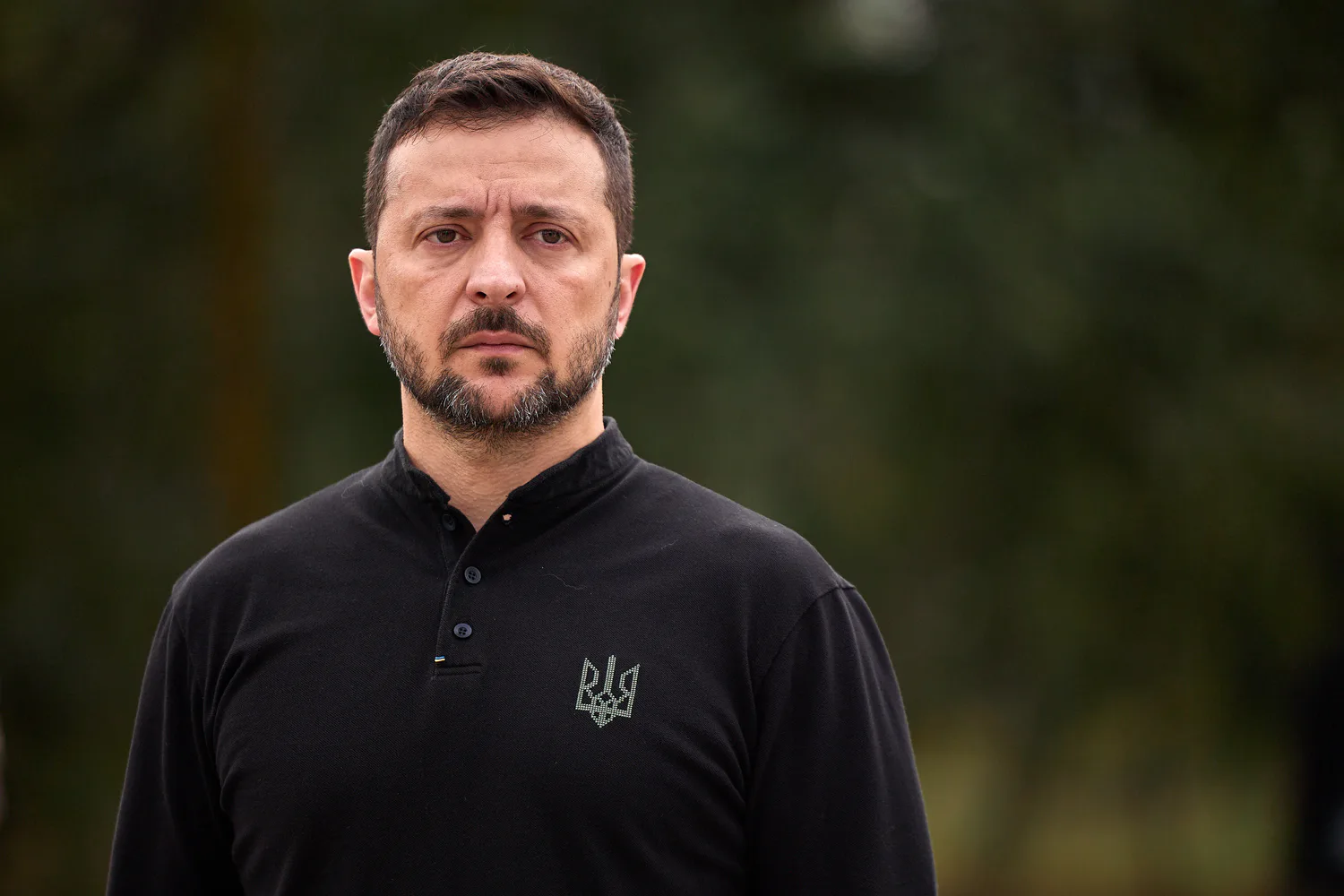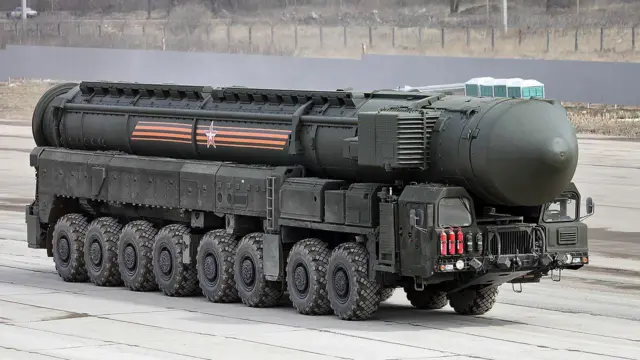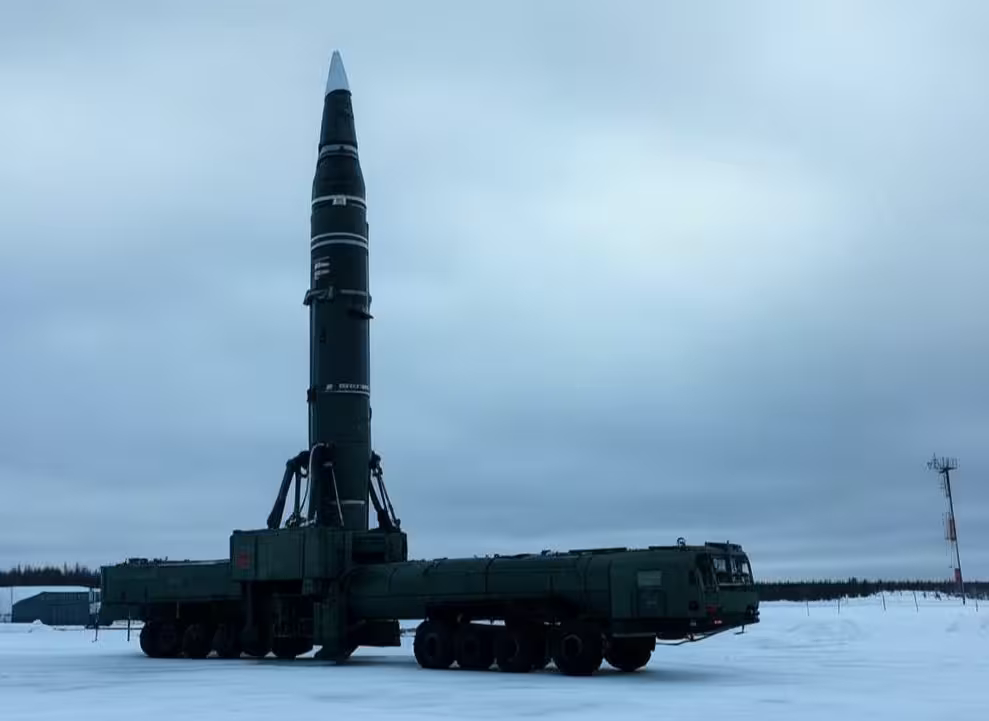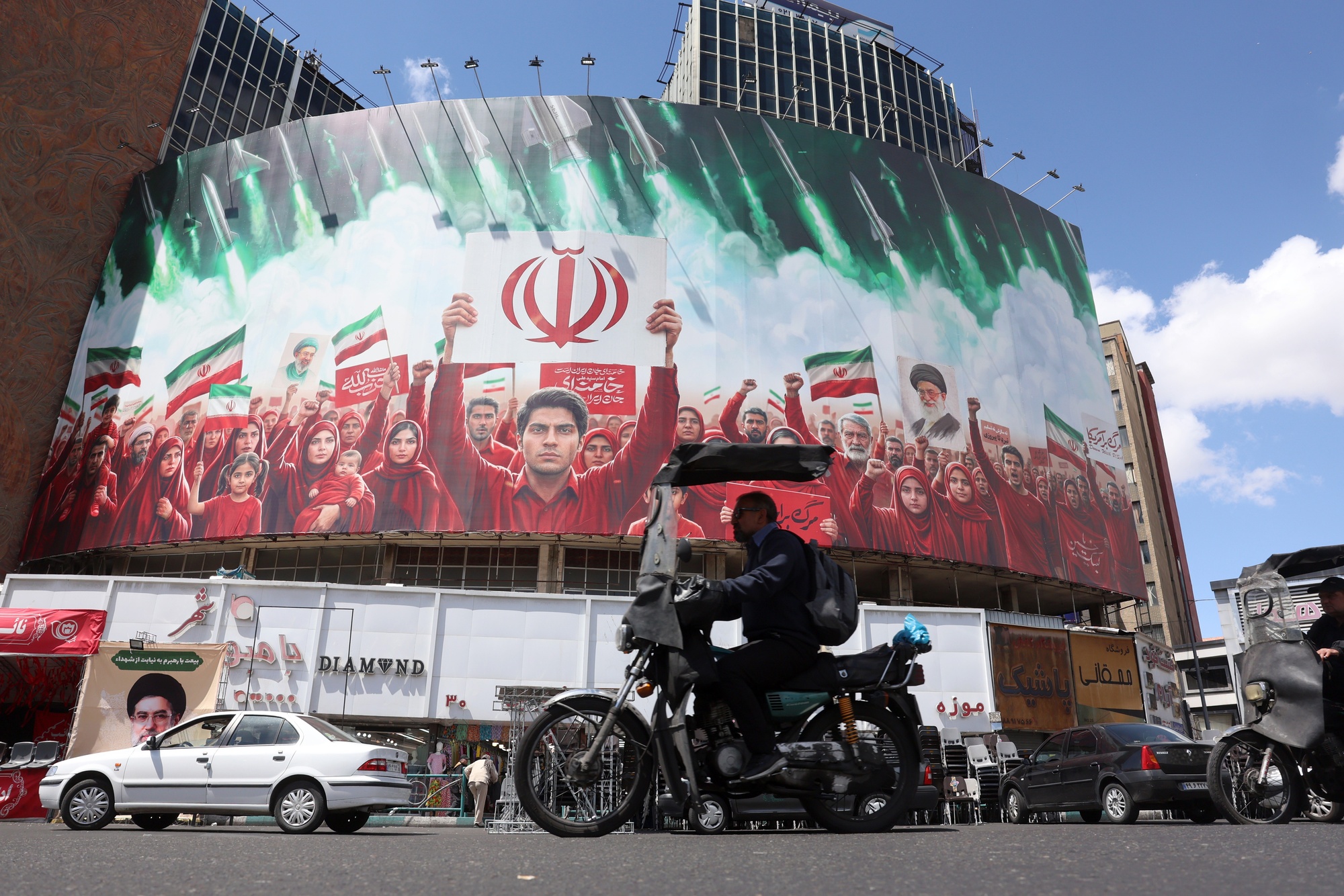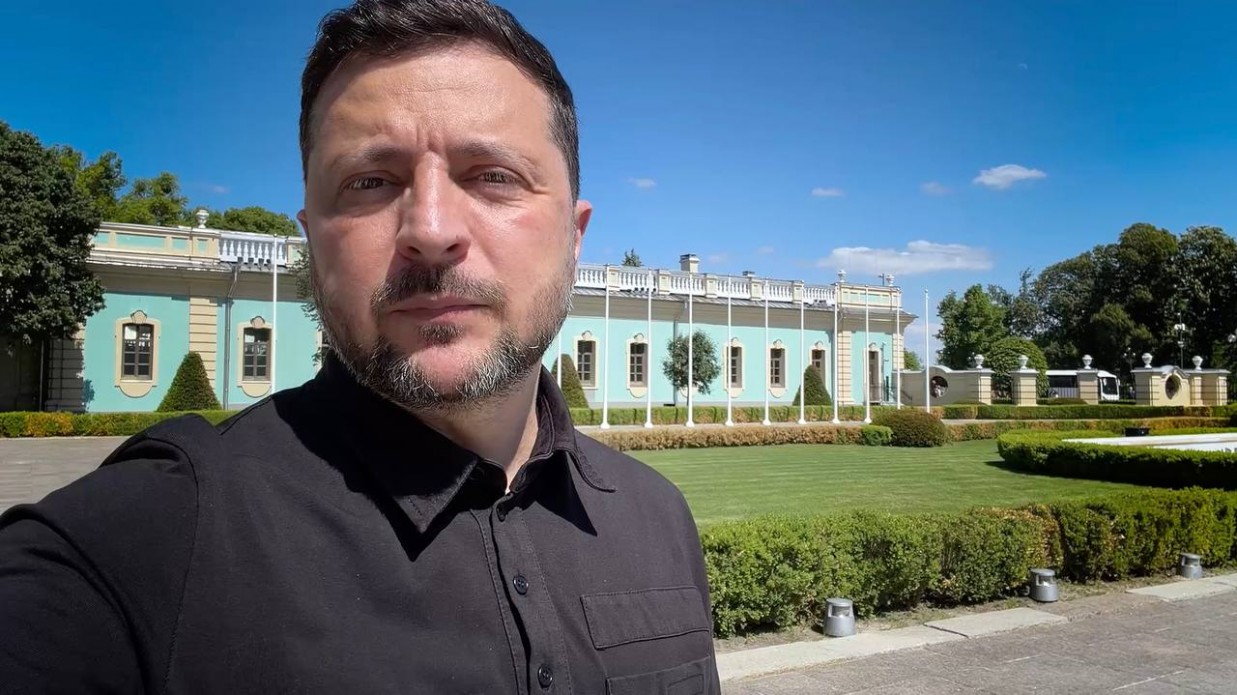
Zelensky: "Oreshnik" in Belarus is a legitimate NATO target and a new escalation factor
The deployment of a missile system in Belarus changes the security geometry for Ukraine and Europe — why Kyiv insists that allies treat it as a target.
Political news from Kyiv region, government decisions and Ukraine politics at Razom UA
The deployment of a missile system in Belarus changes the security geometry for Ukraine and Europe — why Kyiv insists that allies treat it as a target.
Polls and analysis show: the issue of Ukraine has become the main electoral fear in Hungary. We examine why this matters for Kyiv and which post–April 12 scenarios will affect Ukraine's EU integration.
An international special operation with Latvian and Lithuanian counterparts revealed how a multi-level fraud network operated. Why this matters for the financial security of Ukraine and its partners.
Axios reports that Donald Trump is consulting with his inner circle about potential successors — J.D. Vance and Marco Rubio. A decision that currently appears to be an internal party matter has direct implications for Ukraine’s security and support. We examine the lines of influence and the risks.
The re-election of Kim Jong Un is not merely a ritual of regime self-strengthening in North Korea. It signals a continued course toward military modernization and the strengthening of ties with Russia — factors that directly affect Ukraine’s security interests.
Ahead of the closing ceremony in Verona, a march against the economic, environmental and political costs of the Games took place — a signal that drew a sharp response from authorities and fuels the global debate over the cost of major sporting events.
A 15‑meter banner in the colors of the Russian flag bearing a slogan about “victory” has appeared on the wall of the Russian embassy in central Seoul. Why South Korea insists on its removal and what this says about the broader security context in the region — we examine.
In Brussels, officials are calling for concrete rules after the U.S. Supreme Court ruling. We explain why this matters for Ukraine and what short-term risks and opportunities it creates.
Greenland's prime minister rejected Donald Trump's offer — not out of indifference to aid, but to defend the territory's healthcare model and political autonomy. We examine why this matters in the broader geopolitical context.
The Embassy of Ukraine and the London community secured the removal of a reference to a Russian festival from the Royal College of Music's materials — an example of how diplomacy and civic oversight curb cultural propaganda.
Suspect detained, a female police officer killed, authorities point to a Russian organization. We examine the timeline, the official accounts, and what this means for public safety.
In a morning statement, the Secret Service reported a fatality after an intrusion onto the grounds of Mar‑a‑Lago. We break down the facts, law enforcement’s versions, and why this matters for the system that protects public figures during times of political tension.
Axios reports that Washington is prepared to meet with Tehran on February 27 — provided it receives a written proposal. We examine why this round could be called "a last chance," what scenarios it might open up, and what risks and opportunities it poses for Ukraine's security.
Budapest has tied its support for sanctions to the restoration of oil transit and simultaneously promised to "act cautiously" on electricity supplies to Ukraine. This reshuffles energy and political priorities in the region — we examine why this matters now.
The Air Assault Forces, together with neighboring units, repelled attacks, regained control over territories and are pushing back the occupiers — why this is important for the security of the Dnipropetrovsk region.
The New York Times reports that Iran’s supreme leader has drawn up a succession plan and ordered the appointment of backup leaders — this is not merely an internal reshuffle, but a factor that increases the likelihood of a sharp escalation and of diverting the attention of Western alliances.
On the night of February 22 in Lviv, two improvised devices went off. Law enforcement detained a 33-year-old woman in less than a day — she says she acted on the "instructions of a handler from Russia." We examine what this means for security and which questions the state must now address.
On the night of February 22, Russia struck railway infrastructure in several oblasts. We explain where exactly the damage occurred, how this will affect passengers and logistics, and what services are already doing.
After a double explosion in Lviv, police and the SBU detained a suspect. We break down the timeline of events, the investigators' theories, and the possible implications for Ukraine's security.
The head of communications for the Joint Forces, Viktor Trehubov, reports flanking attacks on southern positions in the devastated Vovchansk. We analyze the risks to logistics, possible scenarios, and what this means for the defense of the region.
On the night of February 22, a Russian missile hit a production facility of the American company Mondelēz in Trostianets. This is not only about destroyed workshops — it’s about jobs, investor confidence, and Russia’s accountability to the international community.
Kyiv rejects energy blackmail by Budapest and Bratislava, identifies the real supply routes and urges activation of EU mechanisms — what does this mean for the stability of energy supply in the region?
The German chancellor promised to uphold a unified EU position vis‑à‑vis the US amid Supreme Court rulings and new global tariffs — developments that pose risks to supply chains, prices and defense cooperation that directly affect Ukrainian interests.
Former head of Finnish intelligence Pekka Toveri explains why shifting the emphasis to medium-range capabilities is not so much a tactical advantage as a strategic warning. What this means for the security of Ukraine and Europe — briefly and without hysteria.
After the U.S. Supreme Court's decision, the president announced an increase in tariffs from 10% to 15% and temporary import restrictions. We examine what this means for global supply chains, defense spending, and Ukrainian interests.
Kyiv has proposed using Ukraine’s pipeline network (notably “Odesa–Brody”) as an alternative to transit via the “Druzhba” pipeline. This is a response to pressure from Hungary and Slovakia and, at the same time, a move that will require time and the political will of the EU.
The General Staff reported overnight strikes on Project 22460 border guard vessels and Be‑12 amphibious aircraft in occupied Crimea. We examine how these strikes affect Russia's control over the Black Sea and what consequences to expect in the coming weeks.
The General Staff confirmed a strike on the Votkinsk plant's FP‑5 "Flamingo". This is a direct blow to the production and logistics chains of Russian missiles — we examine why this matters now and what the possible consequences could be.
The decision to withdraw Cuban doctors and advisers strengthens the autonomy of Delcy Rodríguez’s interim government and increases strategic pressure on Havana — what does this mean for security and energy flows in the region?
One of the attackers used a firearm; two have been detained. The incident highlights a dilemma: how to protect off-duty military personnel and preserve trust in the justice system.