Moldova's Prime Minister Muntiyanu Resigns After Eight Months in Office
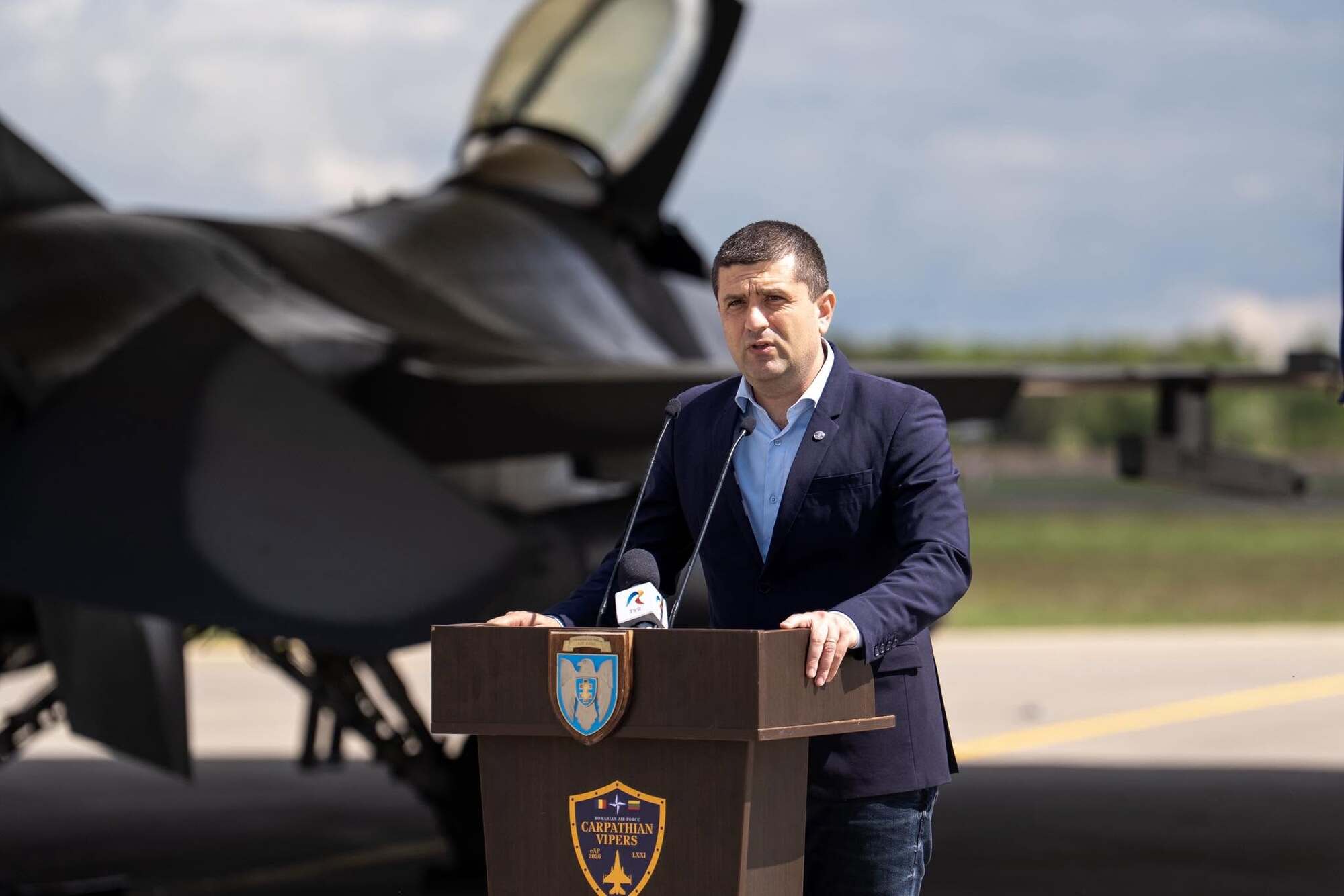
Alexander Muntyan has stepped down as head of Moldova's government. The resignation came as a surprise to most observers — there were no public indications beforehand.
Political news from Kyiv region, government decisions and Ukraine politics
Alexander Muntyan has stepped down as head of Moldova's government. The resignation came as a surprise to most observers — there were no public indications beforehand.
# Washington Passes Intelligence to Warsaw on Possible Moscow Aggression. What Lies Behind This Signal and What It Means for NATO's Eastern Flank Washington has provided Polish intelligence with data regarding potential aggressive actions by Moscow. The article examines what motivates this intelligence sharing and its implications for NATO's eastern flank security.
Russia used "Zircon" missiles for the first time from Kursk region, firing 570 shells and drones. Air defense shot down 524 — but it was precisely the ballistic missiles, which are almost impossible to intercept, that killed at least 22 people.
At the site of a destroyed residential building, the president explained the logic behind Russian strikes and rejected pressure regarding voting in Ukraine — but a week later, he himself asked the USA to guarantee security for the elections.
After an rf attack on Kyiv that damaged the Kyiv-Pechersk Lavra, the EU approved sanctions against 81 individuals on the same day — and in parallel began disbursing €6 billion for the purchase of drones for Ukraine.
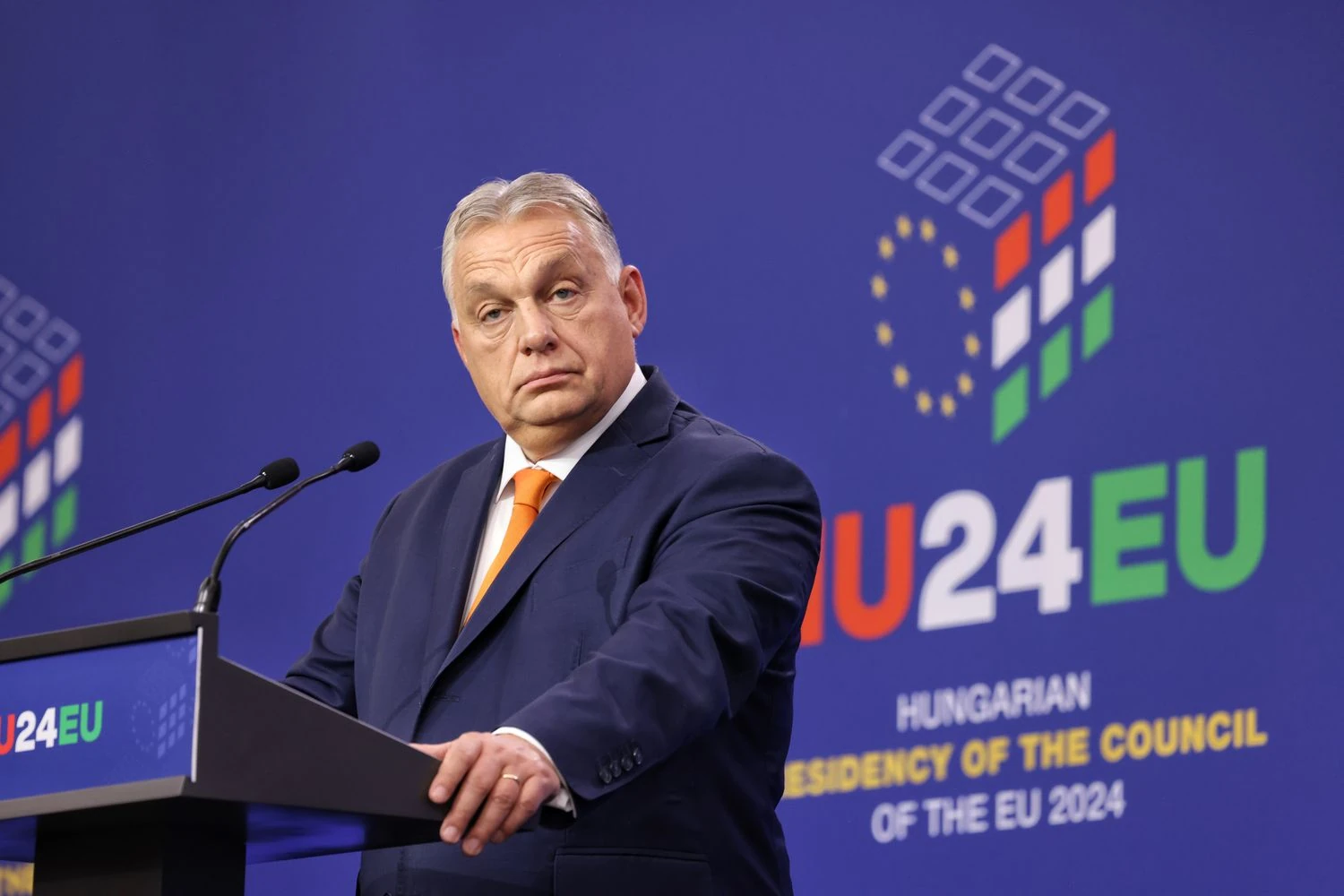
# Hungarian Intelligence Scandal Resurfaces as Former Ambassador Becomes EU Commissioner Hungarian intelligence deployed a network of agents under diplomatic cover in Brussels a decade ago — and operated so brazenly that the network collapsed. Now the scandal has resurfaced because the Hungarian ambassador at that time has become a European Commission member.
# Daigas Matuleonis knew Umerov's voice—and still didn't recognize the fake. The incident reveals that AI voice cloning has become not a technical curiosity, but a working tool of intelligence influence operations.
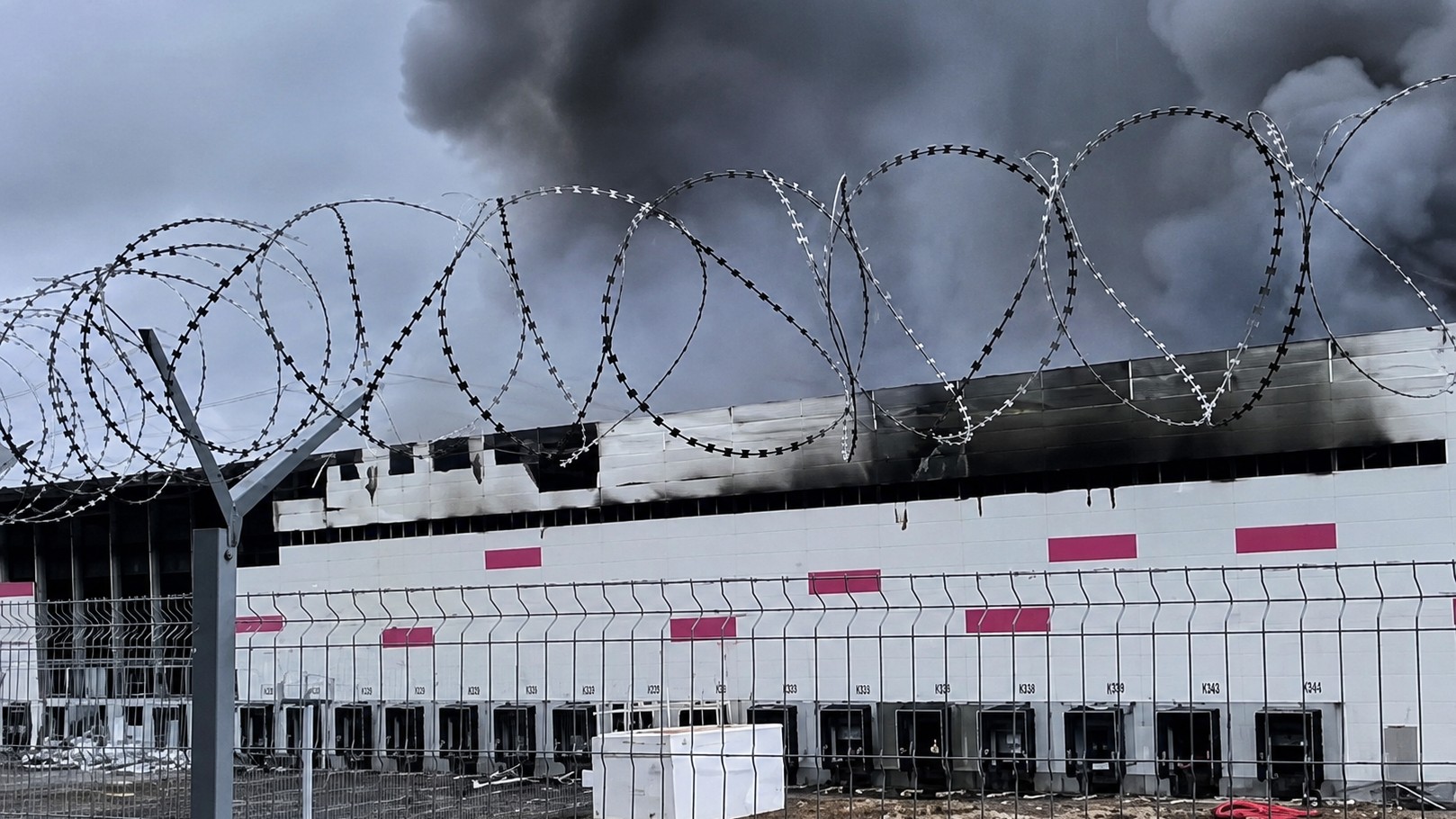
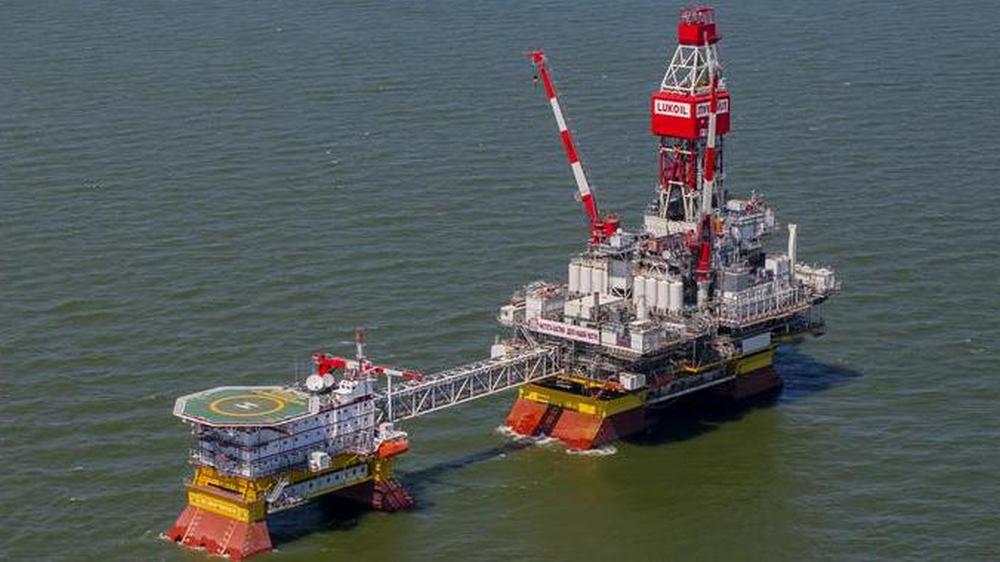
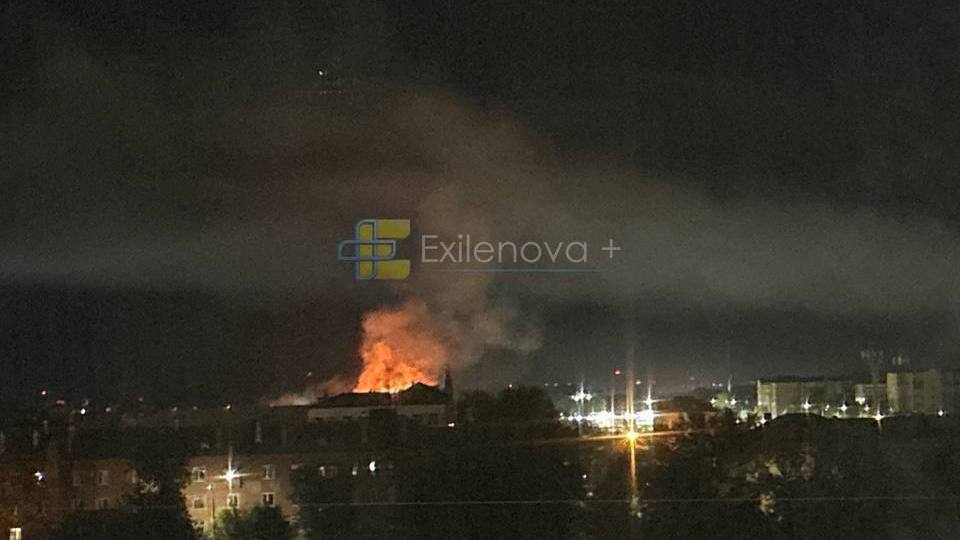
A strike on "Lukoil-Nizhegorodnefteorgsintez" on the night of July 2 marks the third attack on this plant in two months. During this period, Russia has lost one-third of its oil refining capacity.
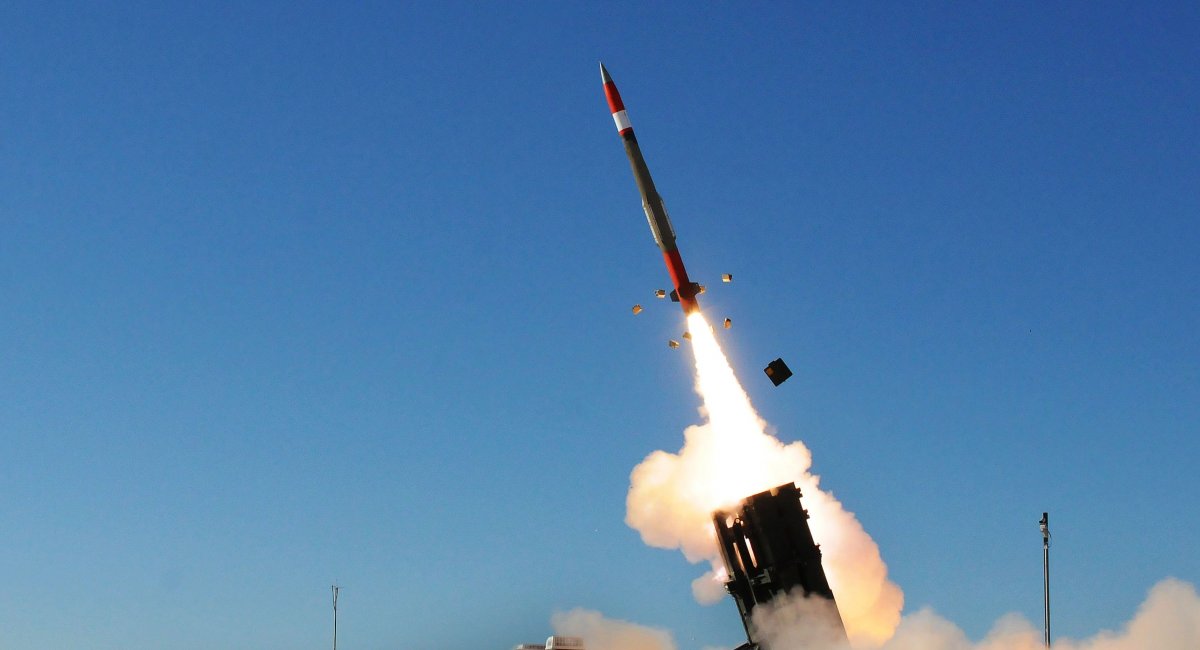
# Russia Deploys 33 Iskanders and 8 Zircons — Most Breach Defenses Russia has launched a massive missile attack using 33 Iskander ballistic missiles and 8 Zircon hypersonic missiles, with the majority successfully penetrating Ukrainian air defenses. Kyiv was struck across five districts, with at least 10 people killed. The incident highlights a persistent problem: while Patriot air defense systems are capable of intercepting ballistic missiles, Ukraine lacks sufficient interceptors to defend against the scale of Russian attacks.
From July 1 to September 15, the curfew in the region will be in effect from midnight to 4:00 a.m. — one hour shorter. The decision was made following an appeal from farmers, for whom the morning hour determines whether they will be able to harvest their crops or not.
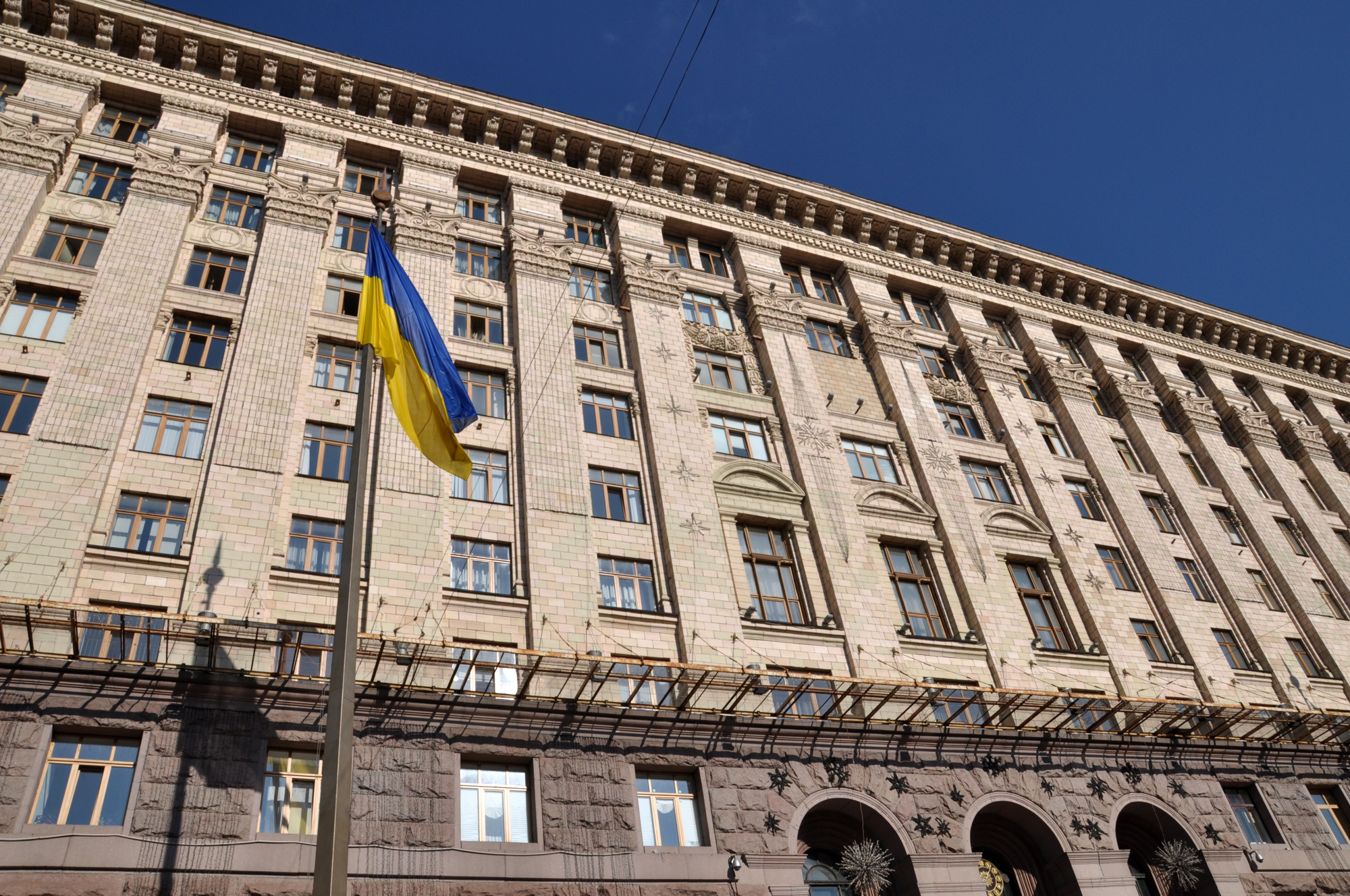
# Zelenskyy Announces Monument Location, Bypassing City Hall. Behind This Lies Not a Protocol Gap, but Years of Accumulated Conflict Between Bankova and Khreshchatyk
Investigation dismisses terrorist attack theory, but neither the customer nor perpetrator has been identified. Yermolaiev faces renunciation of Ukrainian citizenship, alcohol business operations in Crimea, and decade-long sanctions from the National Security and Defense Council.
Japanese civilian electronics are reaching Russian weapons through third countries, despite formal sanctions. An official Vlasyuk named specific companies, but most of them responded that they "cannot confirm."
Vice Prime Minister Kosyak-Kamysh presented Kyiv with two conditions on air: to review the pantheon of heroes and to share drone technologies. Both are public, neither is new.
The US and Iran agreed to suspend strikes and resume talks in Doha on June 30 — following another round of escalation that threatened the memorandum signed just two weeks earlier.
Paris has prepared a document with radical options for reforming the EEAS, including the possibility of completely abolishing the service. Behind the scenes of this process lies another story: the European Commission has been systematically narrowing the space for external policy under Kaja Kallas for years.
Washington and Tehran have agreed to temporarily halt mutual strikes. Negotiations in Qatar are aimed at determining the fate of one of the world's most important shipping corridors.
# Estonia's Foreign Minister Calls Ukrainian Drone Incidents "Acceptable Price" for Strikes on Russian Oil and Military Bases Estonia's Foreign Minister Margus Tsahkna has called incidents involving Ukrainian drones on NATO territory an acceptable cost for strikes against Russian oil facilities and military bases — and accused Moscow of deliberately directing damaged drones toward NATO countries.
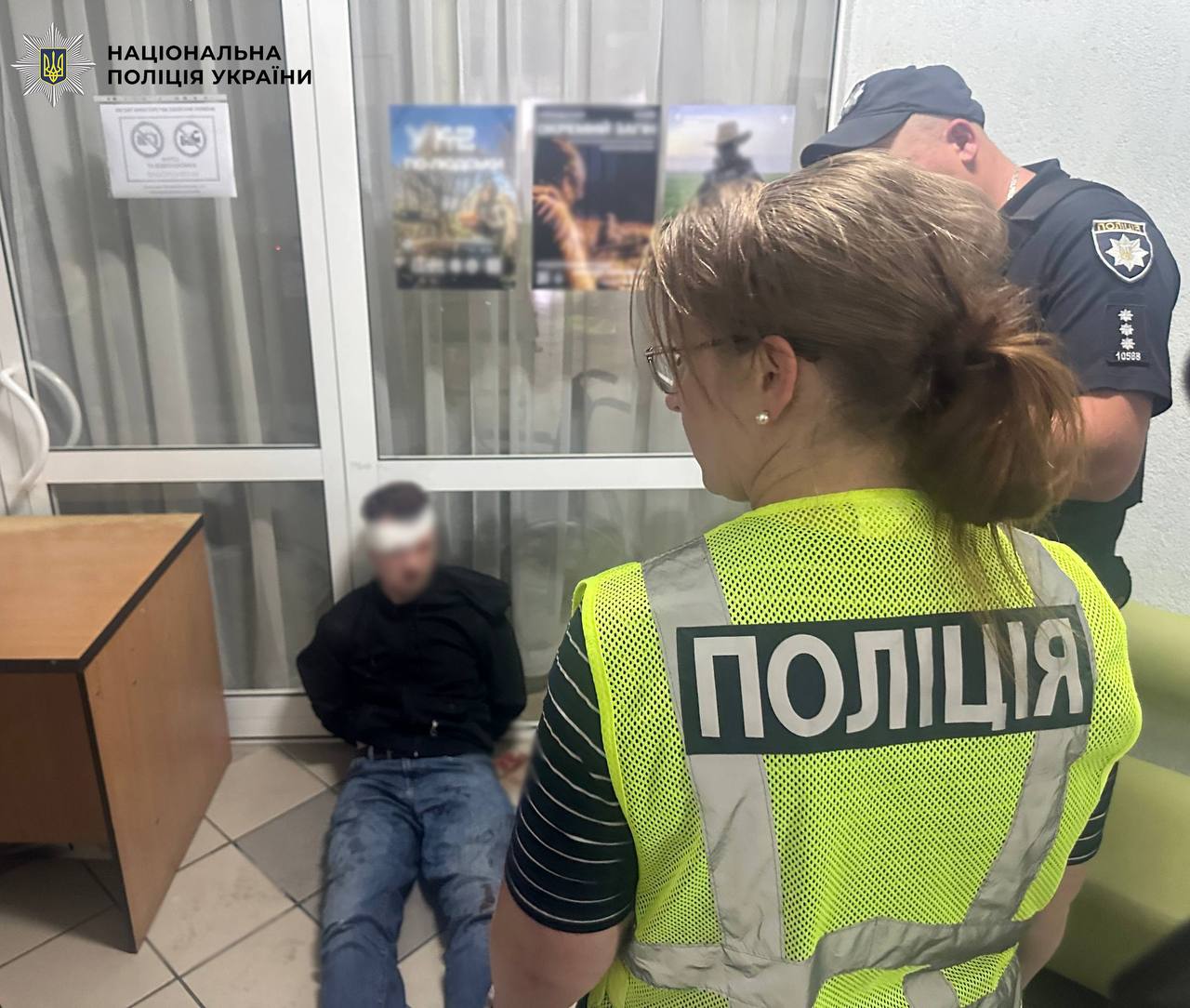
The SBU prevented a car bomb attack on a military officer on Maidan Square — not through intelligence work, but thanks to a GPS tracker on the victim's vehicle. Behind this case lies a systemic recruitment scheme based on promises of "easy money."
Israel's government unanimously recognized the Armenian genocide, breaking its own diplomatic taboo: for decades, Jerusalem blocked this decision to avoid damaging relations with Ankara and Baku, which provided Israel with a strategic corridor and arms trade partnership.
Colonel Oleksandr Kononnikov, commander of the 154th Separate Mechanized Brigade, died not in combat — his body was found on June 28 with no signs of violence. An official investigation is underway.
"Slavyansk-EKO" accounts for 9% of oil refining in the Southern Federal District and is the main fuel hub for occupied Crimea. The strike in the night of June 28 is the fourth in two years.
After signing a memorandum on June 17 and negotiations in Switzerland, the United States has twice struck Iran in response to attacks in the Strait of Hormuz. Trump threatened to "completely finish the job."
# Trump hints at abandoning "Anchorage agreements" at G7 summit, but Rubio denies deal existed At the G7 summit in Evian, Trump hinted to allies that he might abandon the so-called "Anchorage agreements" — concessions to Moscow regarding Donbas. The problem is that Secretary of State Rubio has already stated: there were no agreements in Alaska.
# Ukraine's Constitution at 29: Most Citizens Can't Distinguish Between Rights and Restrictions Twenty-nine years ago, lawmakers adopted the country's fundamental law following a continuous all-night session. Today it limits some rights and guarantees others — but most Ukrainians cannot tell the difference between the two.
On the night of June 28, Russia deployed "Kinzhal" hypersonic missiles, "Iskander-M" ballistic missiles/S-400 systems and 142 attack drones — and for the first time in a long while, defenders shot down all the ballistic missiles. The problem persists: each such success costs scarce air defense missiles, which Lockheed Martin produces five times fewer of than Russia launches targets.
On the night of June 28, drones struck the Slavyansk oil refinery in Krasnodar and a plant in Yaroslavl — the second strike as part of a newly announced operation to pressure Moscow. Crimea has already restricted fuel sales to civilians.
A week after the memorandum was signed — and the IRGC has already struck a vessel in the strait, the US responded with airstrikes, and now Iran is attacking American facilities in Bahrain. There is an agreement, but there is no enforcement mechanism.
Lubinets and Lantratova met during an exchange on June 26 and agreed to verify the fate of military personnel from both sides. However, there is a gap between the list and the response with no enforcement mechanism in place.
920 dead, $6.7 billion in losses — and not a single piece of heavy equipment in the most affected areas in the first 24 hours. The earthquake revealed not only the fragility of buildings but also the fragility of the state.